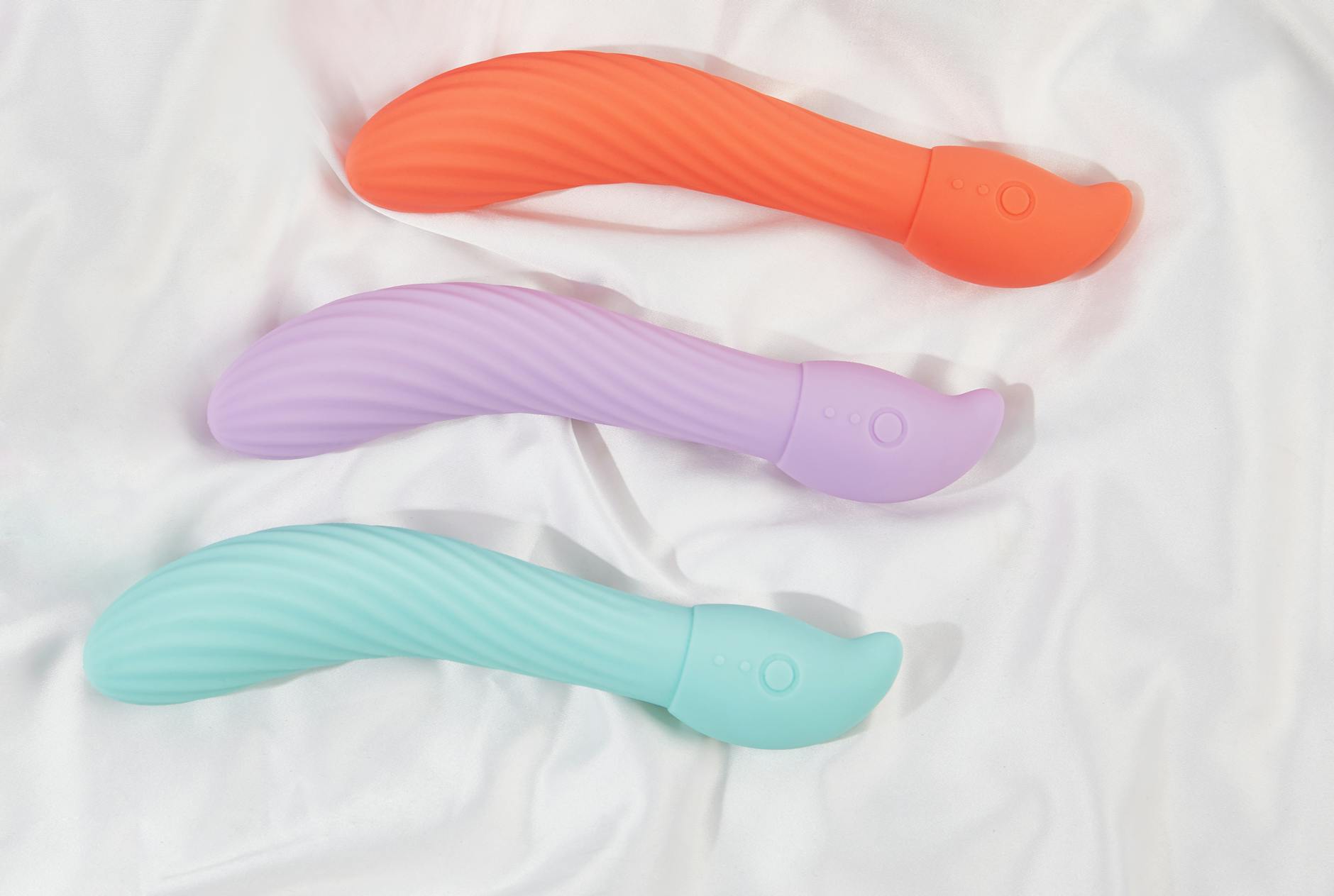
Here's the thing about pelvic floor surgery and pleasure
Pelvic floor surgery (whether it's a repair, tightening, or reconstruction) disrupts tissue that's central to both function and sensation. The question isn't really "Can I use a lemon vibrator?" It's "When, and how do I do it safely without setting back my healing?" That's answerable. And the answer isn't "wait forever."
I work with couples navigating this recovery all the time. The silence around when sex and pleasure can actually resume creates more anxiety than the surgery itself. Let me clear that up.
What pelvic floor surgery actually does to your tissue
Pelvic floor surgical procedures (including urethral sling placement, vaginal vault repair, or pelvic floor muscle reconstruction) involve healing layers of muscle, connective tissue, and ligaments. That healing follows a predictable biological timeline, but timelines vary wildly depending on the surgical approach and your individual healing capacity.
Here's what's happening beneath the surface:
Weeks 0-2: Active inflammation. Your body is sealing blood vessels and laying down initial collagen. Penetration of any kind risks reopening the surgical site. This includes fingers, partners, and yes, vibrators.
Weeks 2-6: Early remodeling. Collagen continues to strengthen the repair. Most surgeons clear basic activities around week 4-6, but "basic activities" doesn't mean clitoral stimulation with a lemon vibrator yet.
Weeks 6-12: Maturation. The tissue is stronger now, but still fragile. This is when controlled, gentle movement becomes possible for most people. For many, this is when careful exploration with a clitoral vibrator on low settings begins.
Months 3-6: Final remodeling. By month 3, most surgeons clear full activity. But full activity doesn't mean going back to exactly how things were before. Your tissue has been restructured. Sensation may have changed. Function may be different.
The timeline your surgeon gives you is a floor, not a ceiling. If they say "no intercourse for 6 weeks," that's the minimum before mechanical stress is safe. But resuming pleasure with a gentle tool like a lemon clitoral vibrator often happens in that middle zone, weeks 6-10, if your specific repair allows it.
When it's actually safe to restart with a lemon vibrator
Three conditions have to be true:
1. Medical clearance from your surgeon. Not "no intercourse" clearance. Specific clearance to use external clitoral stimulation. Ask directly: "Can I use a clitoral vibrator on the external area?" Most surgeons will say yes by week 6-8 if your repair is healing well. Some will say wait until week 10-12. Get the specific timeline for your procedure and your healing.
2. No pain beyond normal post-op soreness. Lingering sharp pain, burning during activity, or unusual swelling are signs you're not ready. Mild achiness or sensitivity is normal. Pain is a stop sign.
3. Psychological readiness. Fear of injury is real and valid after surgery. That's not an obstacle to pleasure. It's information. If you're terrified of damaging the repair, start even slower. Start with external touch first, no vibration. Build confidence before introducing any tool.
Most people are in a place to cautiously try external clitoral stimulation by week 7-10 with a lemon vibrator, assuming the repair site isn't directly involved in the surgery and healing is progressing normally.
How to actually use a lemon vibrator during recovery
Let's say your surgeon gave you the green light at week 8. Here's how I recommend approaching it:
Start outside the surgical zone. If your repair was internal (a sling, a vaginal vault repair), the external clitoris and labia are generally safe earlier. If your surgery involved external tissue, ask your surgeon specifically what's off-limits.
Use the lowest pattern first. The Lem vibrator has multiple intensity patterns. Start with pattern 1 or 2. You're not looking for an orgasm right now. You're looking for sensation and information about what your body can tolerate.
Keep sessions brief. Five to ten minutes the first few times. Not because your tissue can't handle it, but because your nervous system needs to recalibrate. Sensation after surgery feels different. Your brain needs time to relearn what feels good.
Pause if anything feels wrong. Unusual pain, pressure, or bleeding are signs to stop immediately and call your surgeon. Increased tenderness the next day is normal. Increased swelling is not.
Increase gradually. If the first session went well, you might try pattern 3 next time, or extend the session by a few minutes. This shouldn't feel like a rapid progression. We're talking weeks of gentle escalation, not days.
Most couples I work with find that by week 12-16, they're back to something resembling their baseline pleasure. But "baseline" often looks different after pelvic floor surgery. Sensation shifts. Arousal patterns change. That's not a failure of the recovery. That's your healed tissue settling into its new configuration.
What changes after pelvic floor surgery (and what doesn't)
Your clitoral nerve density doesn't change after pelvic floor surgery. Orgasm capacity is still there. But you might notice:
Arousal takes longer to build because of scar tissue or nerve irritation. A lemon clitoral vibrator helps with this because it doesn't require the same manual friction.
Orgasms might feel slightly different in intensity or duration. Some people report shallower orgasms early in recovery. That often resolves as swelling decreases and sensation normalizes. Others report more intense orgasms because the repair improved support. There's no single outcome.
Partner penetration might feel different if the repair tightened the vaginal canal. That's worth discussing with your partner and your surgeon. A lemon vibrator used externally bypasses that complication entirely.
When to call your surgeon instead of pushing forward
Surgical healing isn't linear. Sometimes you feel fine, then sensation changes. Sometimes you start using a vibrator at week 8 and everything goes well, then at week 10 you get unexpected bleeding or pain. That's not a sign you're doing something wrong. It's a sign your tissue needs more time.
Call or message your surgeon if you experience:
Sharp, stabbing pain during or after use (mild achiness is normal). Bleeding or unusual discharge after using a vibrator. Significant increase in swelling the day after activity. Feeling like something is "tearing" internally. Inability to relax the pelvic floor even when trying. New symptoms of urinary or bowel dysfunction.
These aren't dealbreakers. They're information. Sometimes it means waiting another two weeks. Sometimes it means you need a specific clearance or technique adjustment. Sometimes it means the vibrator isn't right for your particular repair, and a different approach works better.
The partner conversation that actually matters
If you're navigating this recovery with a partner, the sexual tension is real. Weeks of not being able to have penetrative sex is hard on couples. But here's what I see work: shifting the focus from "when can we have normal sex again" to "how do we discover what works now."
A lemon vibrator used externally is often the safest, easiest bridge back to shared pleasure during that recovery window. It requires no penetration. It doesn't trigger the anxiety that comes with internal healing. And because it's focused, external stimulation, both partners can feel present and connected without fear of causing injury.
Talk about it. Ask your surgeon for guidance. Start when you have medical clearance. Go slowly. And remember: getting back to pleasure isn't a race. It's a return journey, and returning isn't the same as going back.
Frequently Asked Questions
How soon after pelvic floor surgery can I use a vibrator?
Most surgeons clear external clitoral stimulation around week 6-8, though some prefer to wait until week 10-12. The specific timeline depends on your surgical approach, the extent of your repair, and how you're healing. Ask your surgeon directly for a date, not a general guideline. Once cleared, start with the lowest intensity and shortest sessions.
Is it safe to use a lemon clitoral vibrator during the first month after surgery?
No. The surgical site is still sealing and strengthening during weeks 1-4. Even external vibration can increase blood flow and swelling to the area, which may compromise healing. Wait for explicit medical clearance. The wait is temporary. Complications from premature activity can extend your recovery by weeks.
Can I use a lemon vibrator if I had a urethral sling placed?
Yes, with your surgeon's clearance. A sling repair is internal but doesn't involve the clitoris. Most surgeons clear external clitoral stimulation around week 6-8 because it's far from the surgical site. However, some sling placements affect sensation in the external area due to inflammation or nerve irritation. Discuss your specific anatomy and repair with your surgeon.
Will using a vibrator slow down my healing?
Not if you're using it correctly and you have medical clearance. External clitoral stimulation doesn't put mechanical stress on internal repairs. However, if the vibration causes pain, increases swelling, or triggers bleeding, it can signal that you're pushing too hard or too soon. Pain is information. Pain isn't progress.
What if I feel pain when I try to use a lemon vibrator during recovery?
Stop immediately. Some pain is normal after surgery. Sharp, acute pain during sexual activity is not. Notify your surgeon. You might need more time. You might need a different technique. You might have an infection or complication that needs attention. Don't push through pain in hopes it will resolve. It won't.
Can my partner help me use a lemon vibrator safely after my recovery?
Absolutely. In fact, having a partner involved can help you stay present and monitor your comfort. They can hold the vibrator, adjust the intensity based on what you're feeling, and pause immediately if something feels wrong. This can reduce anxiety and make the return to pleasure feel less clinical and more connected.
The bigger picture
Pelvic floor surgery is a reset. Your tissue is being restructured for a reason, usually because something wasn't working the way it should. That's actually good news. It means healing often brings improvement. But healing takes time, and the timeline is unique to you.
A lemon vibrator isn't just a tool for pleasure. It's a bridge. It lets you reconnect with sensation in a controlled, safe way while your deeper tissues are still mending. It gives you and your partner a pathway back to intimacy that doesn't require the internal healing to be perfect yet.
When you do use one, start lower than you think you need to. Go slower than feels necessary. And trust that your body will tell you when it's ready to go deeper. That's not hesitation. That's wisdom.