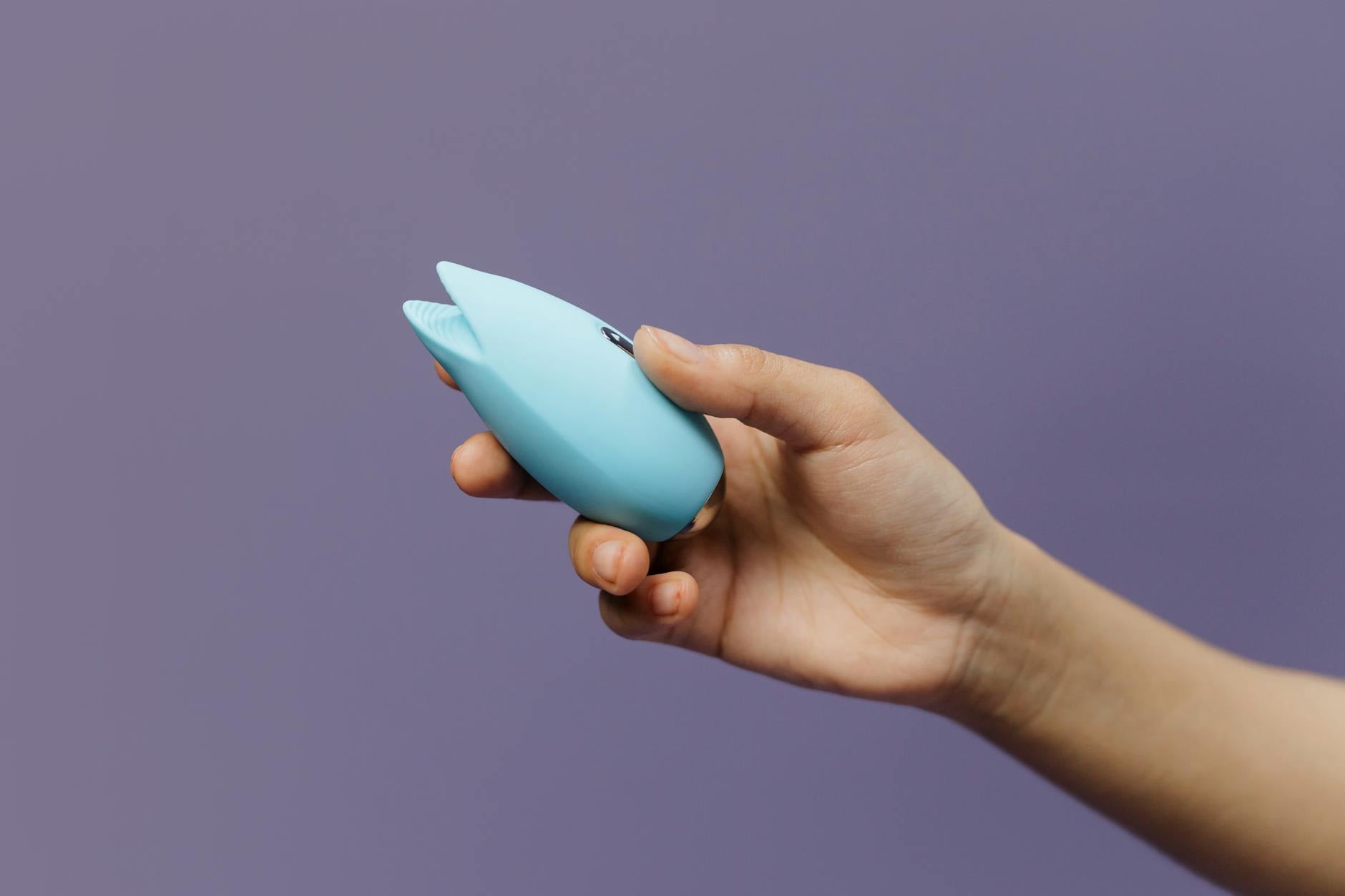
How to Restart Your Lemon Clitoral Vibrator Routine After Stress and Burnout
Stress doesn't just sit on top of your life. It lives inside your nervous system, rewiring how your body responds to pleasure. When you're burned out, your brain deprioritizes arousal because, at a neurological level, your system is in threat mode. Pleasure feels frivolous. Your clitoris feels numb. The thought of picking up a lemon vibrator feels like another obligation.
That's not laziness or low libido. That's your body doing exactly what it's supposed to do under chronic stress.
The good news: this is reversible. And unlike a lot of wellness advice that asks you to add more to your plate, restarting your pleasure practice actually requires subtraction. You're not building a new routine. You're removing the barriers that collapsed the old one.
Why stress nukes arousal at the biological level
When you're in chronic stress mode, your nervous system prioritizes survival over pleasure. Cortisol and adrenaline stay elevated. Your parasympathetic nervous system (the one responsible for arousal, digestion, and rest) gets muscled out by the sympathetic response (fight-or-flight).
On top of that, sustained stress depletes dopamine, the neurotransmitter that drives desire. You could have a world-class partner or the best lemon clitoral vibrator on the market, and your brain chemistry just won't respond the way it used to.
Add exhaustion to the mix. When you're running on empty, your body allocates energy to basic survival. Sex and self-pleasure aren't survival. So they get canceled.
This is why rest and stress management have to come before anything else. You can't pleasure-shame yourself back into desire. You can't just "push through it" with a vibrator. The nervous system has to downshift first.
The three-phase restart framework
Phase One: Release (weeks 1-2). This is permission, not performance. Stop expecting arousal. Stop judging your body for being numb. The goal here isn't orgasm. It's reconnection.
Spend time touching your body without a vibrator. A few minutes in the shower. Lotion on your legs after a bath. The clitoris is only a tiny part of pleasure. Right now, you're reminding your whole nervous system that touch feels okay. That your body is safe.
When you do this, you're actually rebuilding the neural pathways that stress has been suppressing. You're telling your parasympathetic nervous system, "We're okay. We can relax a little."
Phase Two: Gentle reintroduction (weeks 2-4). Once your body starts signaling that touch is safe, bring back a lemon vibrator. But not how you used it before.
Start on the lowest setting. Aim for 5-10 minutes max. Don't chase an orgasm. The goal is sensation. Notice what your body is telling you. Some days you'll feel more. Some days you won't. Both are normal.
This is where you're using the vibrator as a tool for nervous system regulation, not a goal-oriented device. A lemon clitoral vibrator on a low setting is actually excellent for this. The suction pattern is gentler than traditional vibration, so it doesn't feel jarring. It feels like safety.
Phase Three: Expansion (weeks 4+). Once arousal starts returning (and it will), gradually increase time and intensity. Add pattern variations. Maybe explore the vibrator during partnered time if you have a partner.
But here's the critical part: expansion doesn't mean going back to how you used to do things. It means building a practice that survives stress better. That means shorter, more frequent sessions (three times a week instead of one long session). Lower baseline intensity. More flexibility.
You're not trying to get "back to normal." You're trying to build a pleasure routine that doesn't collapse the second life gets hard.
What actually stops the restart in its tracks
The biggest blocker I see: shame about the gap. You had a pleasure practice, you lost it, and now there's this silence. That gap feels like failure.
It's not. Stress is a legitimate reason arousal collapses. You don't need to explain it to yourself or apologize to a partner. You just need to rebuild.
The second blocker: going too fast. Burned-out nervous systems need gradual re-entry. If you pick up a lemon vibrator at high intensity after weeks of nothing, your body might respond with tension, not pleasure. You'll interpret that as "broken" instead of "needs gentler pacing."
Third: using the vibrator as a punishment for your own numbness. "I should be enjoying this more." "Why isn't this working?" That's your cortisol talking again. Your nervous system hears criticism and shuts down further.
The logistics that actually matter
You don't need fancy timing or the perfect environment. You need enough space to not feel watched.
That might be 10 minutes locked in a bathroom. A partner committed to not asking how it's going. A mental agreement that your phone stays in another room. Nothing complicated.
One thing that helps: schedule it loosely. Not "Tuesday at 7 p.m.," which adds pressure. More like "sometime this week when I have 15 minutes and no interruptions." Burned-out nervous systems hate rigid requirements. Flexibility is what lets you actually follow through.
For lubrication: your body might not produce much during restart phase. Use a water-based lube. It's not a sign that something's wrong. It's just your nervous system needing extra support.
For intensity: if a lemon vibrator feels too strong, start with your hand. Or a lemon vibrator on its lowest pulse mode. You're not being weak or broken. You're matching your nervous system's current capacity.
When to involve a partner (if you have one)
If you're in a relationship, the worst thing you can do is hide the restart. Silence creates weird pressure.
Instead: "My desire took a hit with stress. I'm working through it. I need a few weeks where this is just me-time. It's not about you or us. It's about rebuilding my own nervous system."
That's it. You don't need permission. You don't need to fix it by next weekend. You're stating a timeline and a reason. That removes the secret.
If your partner wants to participate later, great. But forcing that timeline compresses the restart. You need privacy and time to reconnect with your own body first.
The role of your lemon vibrator specifically
Why does this matter for a lemon clitoral vibrator rather than other styles? Because suction-based stimulation activates different neural pathways than traditional vibration. A lemon vibrator's gentle, rhythmic pulse doesn't require you to be in a high state of arousal already.
You can use it before your body is "ready." It primes the nervous system. It actually helps train your parasympathetic response. That makes it uniquely useful for restart phases.
The point isn't that a lemon vibrator is magic. It's that the right tool for your current nervous system state makes the restart faster and less frustrating.
The timeline you should expect
Phase One (reconnection without tools) usually takes 2-4 weeks. You'll notice your body softening a little. Less tension. Maybe less dissociation during touch.
Phase Two (reintroduction) takes another 3-6 weeks depending on how deep the burnout went. You'll feel glimmers of arousal. Some days will be blank. Both are progress.
Phase Three (expansion) doesn't have an end date. You're just building a rhythm that works with your life, not against it. Some months you'll use a lemon vibrator multiple times a week. Some months once or twice. The point is flexibility, not frequency.
If arousal hasn't budged in two months, check in with a therapist or doctor. Sometimes stress needs external support to shift. Sometimes hormones need looking at. You deserve more than self-help if the self-help stalls.
FAQ
How do I know if I'm in burnout or just lost interest in sex?
Burnout comes with physical signs. Exhaustion that sleep doesn't fix. Tension. Feeling numb to things you normally enjoy. That numbness across multiple areas of life (not just sex) is the key marker. If everything feels flat and heavy, that's burnout. Pure loss of interest is usually more specific to sexuality or relationships. Burnout is systemic.
Can I use a lemon clitoral vibrator during Phase One if I'm desperate to feel something?
Sparingly, yes. But keep it super low intensity and short. Think of it as a check-in with your nervous system, not a goal-directed session. If you use it and feel frustrated or numb, that's a signal to back off and focus on non-vibrator touch. Your body's signals matter more than sticking to a framework.
What if my partner thinks I'm not attracted to them anymore because my desire collapsed?
This conversation needs to happen explicitly and early. "Stress killed my arousal. It's not about attraction. It's about my nervous system being in survival mode. I need a few weeks to reset. That means this is solo work right now." Clarity removes speculation. When people understand the mechanism, they usually get it.
How do I restart if I'm also dealing with a new medication that affects arousal?
This gets complicated because you have two variables. Talk to the doctor prescribing the medication about timing. Some medications have better windows. Some don't. Once you know the baseline from the medication itself, you can layer in nervous system recovery work. If the medication is the main problem, fixing stress won't fully fix arousal. You need both conversations.
Is it normal to feel guilty about taking time to rebuild pleasure instead of "getting back to normal" right away?
Extremely normal. Guilt is what burnout tells you to feel about self-care. It's lying. Taking time to reset your nervous system is work. It's harder than just pushing through. You're literally rebuilding neural pathways. That deserves space and patience, not guilt.
Can stress affect arousal even if I love my partner or love solo pleasure?
Completely. Love doesn't override biology. Your nervous system doesn't care how much you adore someone. If it's in threat mode, arousal shuts down. That's not a reflection of your feelings or your sexuality. It's just how nervous systems work under stress. Knowing that difference is everything.
Restarting a pleasure practice after burnout isn't about willpower or trying harder. It's about creating the nervous system conditions where arousal can return. That means rest, gentleness, and removing the pressure to perform. A lemon clitoral vibrator can be part of that rebuild. But only after you've already started downshifting stress. The tool matters way less than the timing. Start with yourself. The vibrator follows.