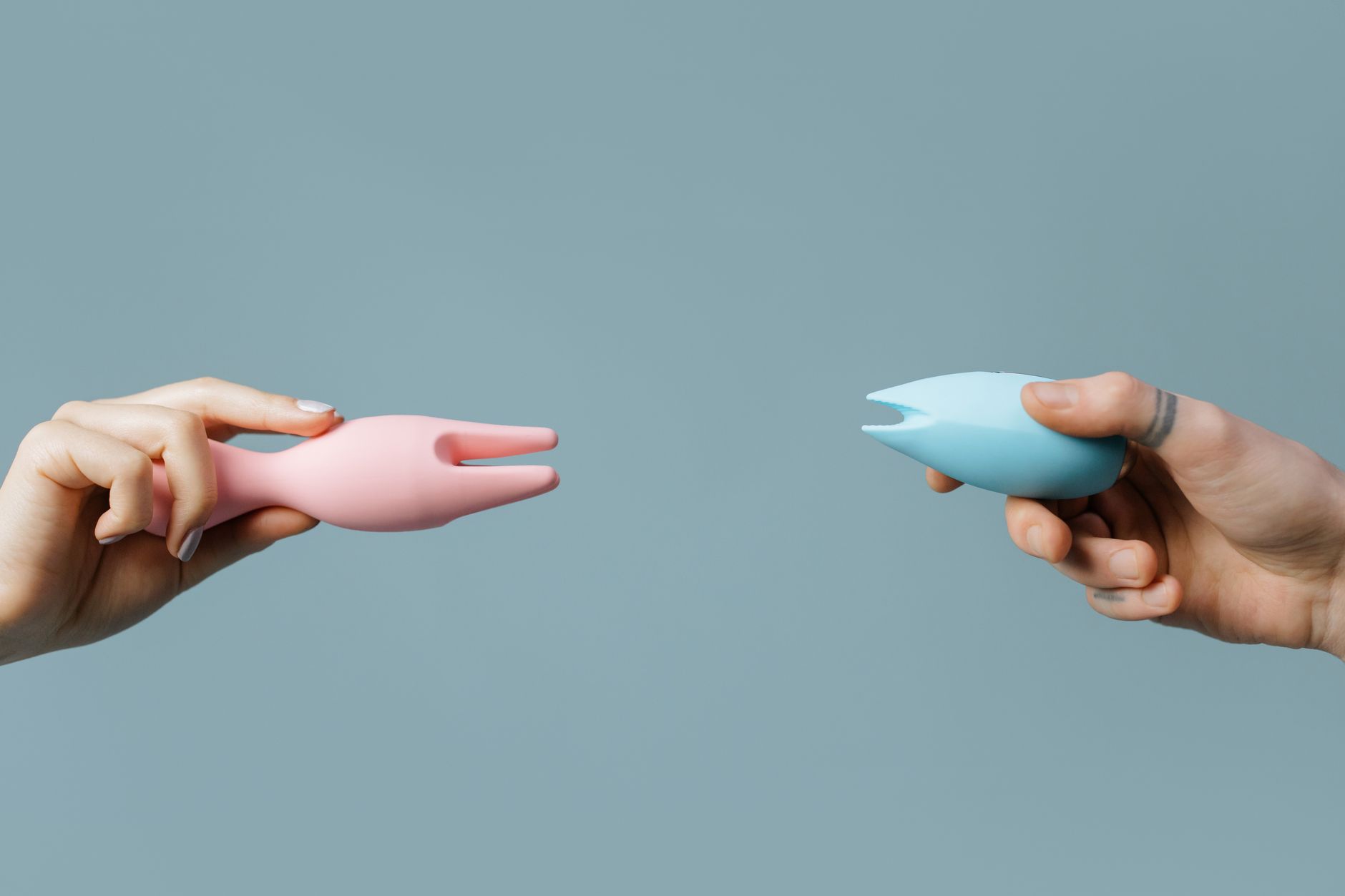
When pleasure becomes a blur instead of a feeling
You're touching yourself, everything's technically fine, but you're not really there. Your mind drifts to your to-do list, or the ceiling, or nowhere at all. Your body's responding on autopilot while you watch from somewhere above it all. This is dissociation during solo play. It's not uncommon. It also doesn't mean you're broken.
Dissociation is a protective mechanism. Sometimes it shows up because of past trauma. Sometimes it's just stress, or scrolling before bed, or being so used to performing for a partner that you've forgotten how to be present with yourself. Whatever the root, the fix isn't complicated. It's about coming home to your body one sensation at a time.
Why lemon vibrators work better for grounding than you'd expect
Most vibrators create a numb, buzzing sensation if you stay in one place too long. The lemon clitoral vibrator works differently. Its suction-based stimulation creates pulsing waves instead of numbness. Your nerve endings stay alert. Each pulse is distinct. You can't zone out on it the way you might with conventional vibration.
That's not a bug. It's the whole point. When your brain wants to float away, a sensation that demands your attention pulls it back down. A lemon sucker vibrator's rhythm requires you to stay present. You notice the pattern. You anticipate the next pulse. You're actively feeling instead of passively receiving.
There's also something about the shape and weight of the lem that anchors you. It's designed to sit against your body in a specific way. That physical contact. That boundary. That presence. It reminds you that you exist in space, that you have edges.
The grounding setup: before you touch yourself
Dissociation thrives on distraction. Your phone's in the room. The TV's on. Your mind's three places at once. Close the door first. Silence the notifications. Set a timer for 15 minutes if that helps. You're not racing to an orgasm. You're learning to be here.
Second, anchor your body to the physical world. Sit on something you can feel. Notice the texture under your hands. Press your feet into the floor. Feel the weight of your body against the bed or chair. These small acts of grounding work because they pull your focus into your physical body instead of letting it drift.
Water helps too. If you have time, a warm shower or bath first. The temperature difference when you step out of the warm water. The sensation of air on your skin. These are all reminders that you're embodied.
Using the lem to stay present: a three-step approach
Start with the lowest setting. Not because you need to build up intensity, but because you need to feel each sensation clearly. High settings can create a wall of sensation that's easier to disconnect from. Low settings are harder to ignore. Each pulse is noticeable. Your brain has to track it.
Pause between settings. Don't just ramp up. Use the lem at one setting for a full minute. Notice what's happening. Where do you feel it? Is the sensation sharp or diffuse? Is your breathing changing? These micro-observations keep you tethered to your body.
Use your other hand. While the lemon vibrator's doing its job, place your other hand somewhere else on your body. Your thigh. Your breast. Your belly. Not in a goal-oriented way. Just for contact. For the reminder that you're touching yourself, that this is intimate, that your body's worthy of attention. The dual sensation makes it harder to dissociate because there's more information coming in at once.
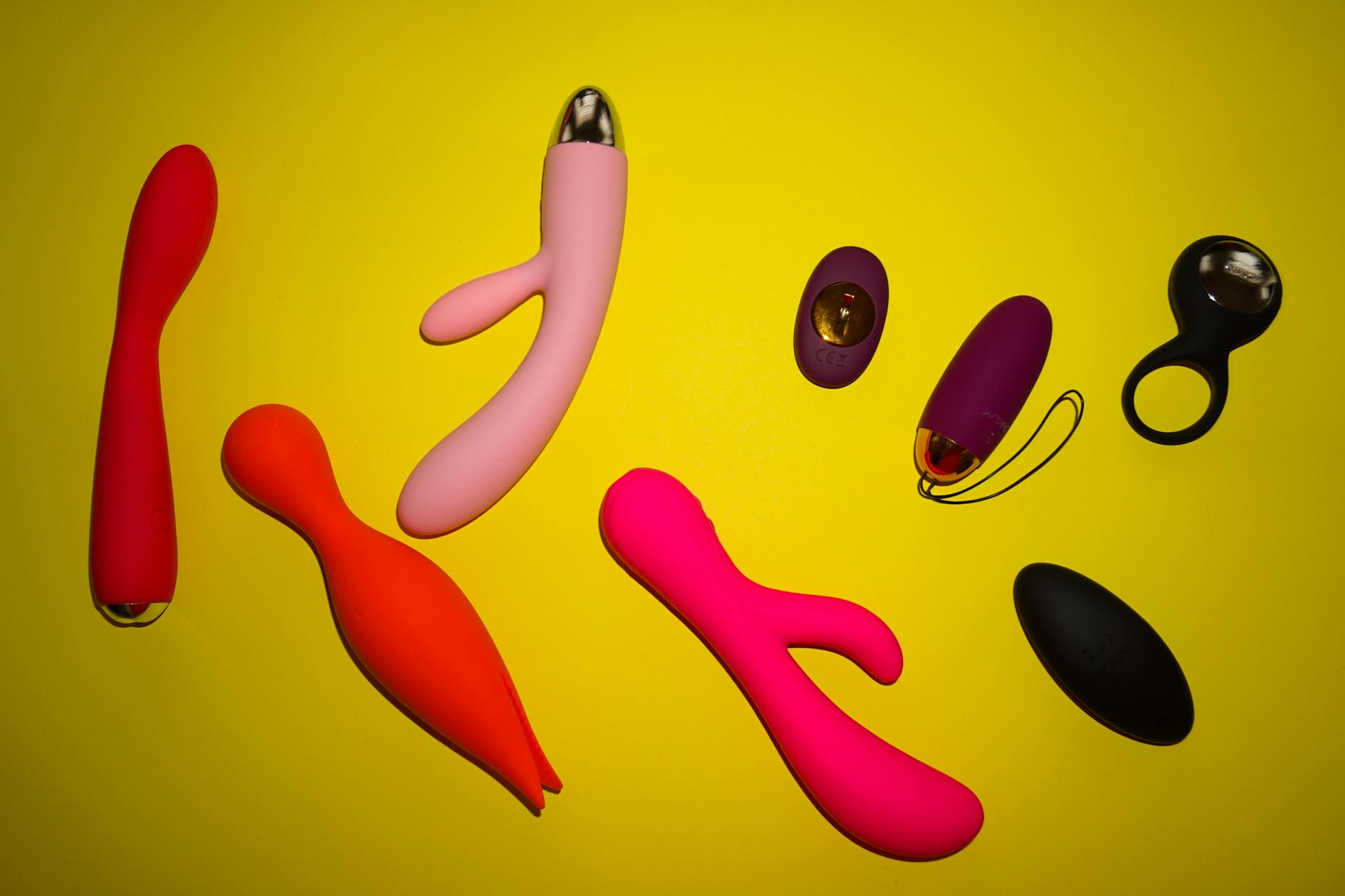
Photo by DRT.fm on Pexels
When thoughts interrupt: three moves that work
Your brain will wander. That's not failure. That's normal. But you have options for what to do when it does.
First option: narrate. Say out loud what you're feeling. "The pulse is steady." "I feel warmth." "My breath is slowing down." Hearing your own voice activates a different part of your brain. It's harder to dissociate when you're actively describing what's happening.
Second option: count. Count the pulses of the lemon clitoral vibrator. Or count your breaths. Give your mind a simple job so it's not left to its own devices. Counting is boring enough that your brain won't resist it, but engaging enough that it can't drift.
Third option: the five senses check. Pause. Name five things you can see. Four you can touch. Three you can hear. Two you can smell. One you can taste. This classic grounding exercise works because it forces your brain to take a census of the physical world. You remember where you are. Your body comes back into focus.
The emotional piece: why presence isn't selfish
Honestly, some people feel guilty being fully present during solo play. Like they're supposed to be somewhere else. Like their pleasure isn't worth their full attention. Here's the truth. Your body deserves the same presence you'd give to a partner. When you show up fully for yourself, you're teaching your nervous system that you're worth caring for. That your sensations matter. That your pleasure is legitimate.
You're also training your brain. The more you practice being present during solo play, the easier it becomes during partnered sex too. Presence is a skill. And the lemon vibrator's a tool that makes practicing that skill feel good.
When dissociation is deeper than distraction
If dissociation during solo play connects to trauma, or if you're experiencing it in other areas of your life too, a therapist trained in somatic work or trauma-informed care can help in ways that a vibrator can't. That's not a limitation of the lem vibrator. It's just that some work requires more than sensation. It requires processing. Professional support's worth exploring.
For garden-variety dissociation. For stress and overwhelm and just being on autopilot. For reconnecting with a body that's been neglected or deprioritized. The lemon vibrator's a genuinely effective tool. Because it demands attention. Because its sensation keeps your nervous system engaged. Because it's designed to pull you back into your own skin.
FAQ: solo play and reconnection
How long does it take to stop dissociating during solo play?
It depends on how chronic the dissociation is. Some people notice a difference in two or three sessions. Others take a couple of weeks of consistent practice. The key is showing up regularly, even if orgasm isn't the outcome. The presence is the win. Set a realistic timeline and be patient with yourself.
Can I use a lemon vibrator for grounding if I have trauma history?
Yes, but start slow and pay attention. If suction-based stimulation triggers discomfort or flashbacks, stop. Sensation alone isn't healing. A trauma-informed therapist can help you figure out what kind of touch is restorative versus re-traumatizing. Your body's feedback is the guide.
Should I try this with a partner watching or helping?
Not at first. Grounding into your body is easier when you're alone. Once you've built confidence and presence on your own, partnered solo play can be a beautiful next step. But solo first. That's where the work lives.
What if orgasm doesn't happen during a grounding session?
That's completely fine. Grounding sessions aren't about orgasm. They're about presence. If you come, great. If you don't, you still spent 15 minutes reconnecting with your body. That's the win. Releasing the orgasm goal actually makes the practice easier.
Is the lemon clitoral vibrator better than other vibrators for this?
For dissociation specifically, yes. The suction pattern is harder to tune out than continuous vibration. It keeps your nervous system engaged. Other clitoral vibrators work fine, but the lem's design makes grounding easier.
How often should I do grounding sessions?
Start with two to three times a week. That's frequent enough to build a habit and retrain your nervous system. Once presence becomes your default, you don't need to schedule it anymore. It becomes how you naturally show up for yourself.
The real point here
Dissociation during solo play is a sign that something needs attention. Usually it's something simple. You're stressed. You're distracted. You've lost touch with what pleasure feels like outside of performance. A lemon vibrator alone won't fix existential disconnection. But it's a powerful tool for rebuilding the habit of presence. For reminding your body that it deserves your attention. For anchoring yourself in sensation when your mind's learned to float away.
Start small. Show up for yourself. Notice what you're feeling. That's the whole practice. Everything else follows.
Want to go deeper on this work. Reconnect with your partner when solo play becomes a replacement for intimacy. Or return to solo play after partnered sex if that's where you are. Both paths lead back to the same place. Home in your own body.