Here's what nobody tells you about starting over at this age
You've made it to your 30s, and you've finally found someone worth building with. The problem: you're not the same person you were in your twenties. Your body works differently. Your expectations are different. Your comfort with pleasure is different. And now you have to figure out how to talk about sex toys with someone new.
The good news? Everything that made you cautious about this conversation is actually an asset. You know yourself. You know what you want. And a partner worth having will want you to have that.
Why lemon vibrators work for new relationships over 30
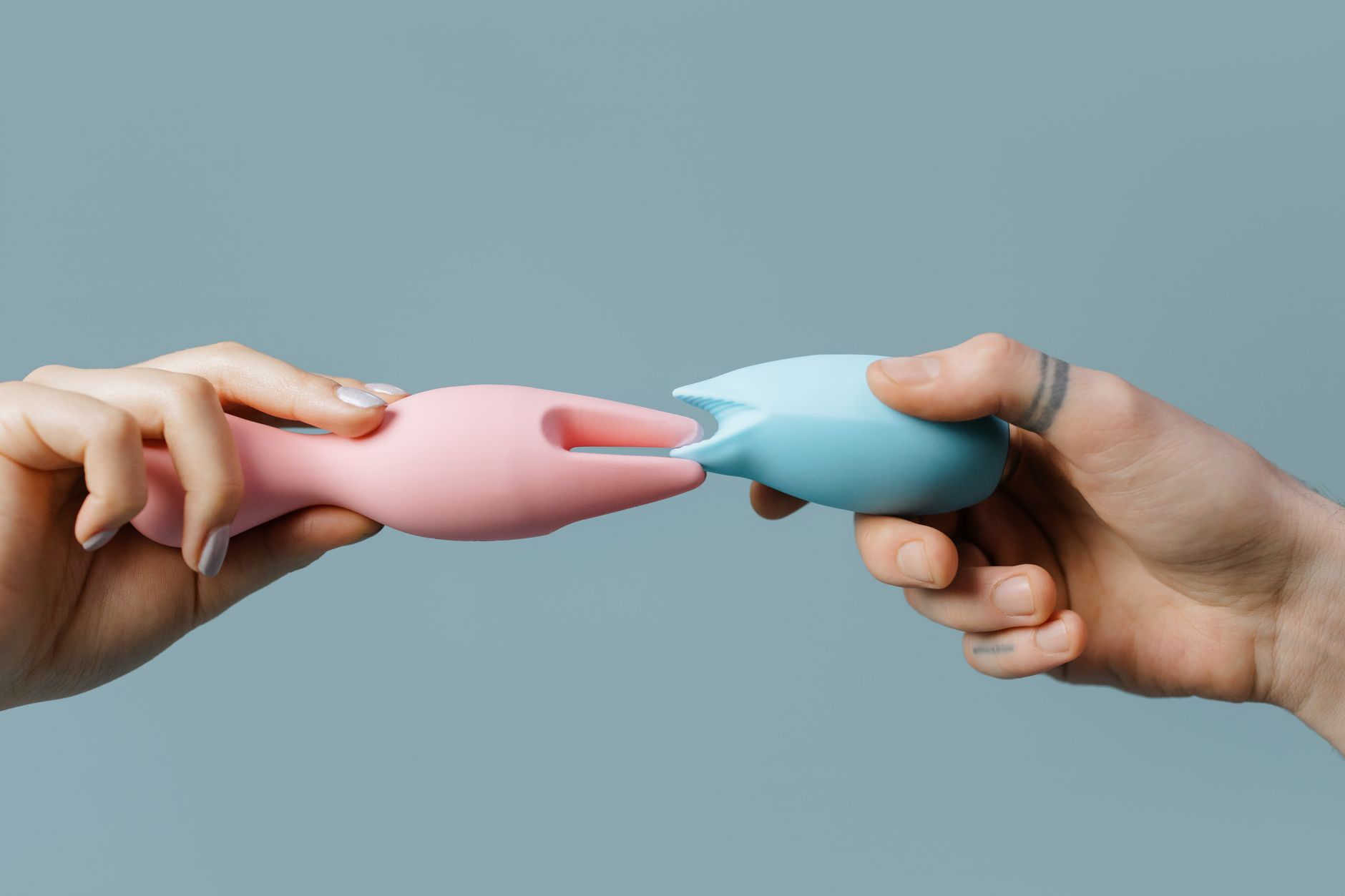
Lemon clitoral vibrators are built for exactly this moment. They're not intimidating. They look like design objects, not equipment. And they work with your body, not against it. Here's the practical part: lemon suction vibrators stimulate your clitoris through gentle suction waves instead of relentless buzzing, which means the sensation feels closer to oral sex than vibration. That matters when you're learning a new partner's touch and relearning your own pleasure at the same time.
The lem vibrator isn't a replacement for your partner. It's a conversation starter disguised as an object. And in a new relationship, that clarity is everything.
The conversation you're actually worried about
Let's name it: you're worried he or she or they will think you want a toy because they're not enough. That's the fear. Here's the reframe: bringing pleasure tools into a relationship says the opposite. It says "I want to feel good, and I want to feel good with you." Those two things aren't in conflict.
Start with context, not the object itself. Pick a quiet moment (not during sex, not while stressed). Say something like: "I've been thinking about trying something new together. Not because anything's missing, but because I want to explore what feels best for me when we're together." Full stop. Let them ask questions.
If they ask what, describe it simply: "It's a clitoral vibrator designed for partnered sex. It works really well when you're inside me, or when we're doing other things. I want to try it with you." Most partners, by the time you're this age, have either used toys before or know someone who has. You're not inventing the wheel. You're just being honest.
How to actually introduce it the first time
Don't make it a performance. The first time you use a lemon vibrator together, don't frame it as a test or an event. Bring it out the way you'd bring out a new playlist. Casual. Integrated.
Start with foreplay. Let your partner touch you, get you aroused, build that foundation. When things are moving, mention it: "I want to try that thing I told you about." If you're nervous, say so. "I'm a little nervous introducing this, but I really want to try." Vulnerability reads as hot, not weak.
Turn on the lowest pattern (most lemon vibrators have 7-10 settings). If you're using it during penetration, focus it on your clitoris while your partner enters you. The sensation of both at once is why people report their strongest orgasms at this age. Your partner gets to watch your body respond to pleasure they're part of creating. That's the opposite of threatening.
If something feels off, stop. Talk about it after, not during. "I loved that, but I think I want to adjust how we're doing this next time." Relationships over 30 can handle that sentence.
What happens when your partner isn't sure about it
Some partners get weird about toys. They think it means something about their performance. Here's what I've learned working with couples over two decades: that insecurity isn't about the toy. It's usually about something deeper, and the toy just brought it to the surface.
If your partner resists, don't push. Instead, ask what's underneath the resistance. "Talk to me about what you're feeling when I mention using a toy." Listen. You might hear: "I feel like you're saying I'm not enough." Or: "I don't know if I'll know how to use it." Or: "I've never done this before and I'm embarrassed." Each answer needs a different response.
To "I'm not enough," the answer is: "You are. This isn't about replacing you. It's about adding something that makes both of us feel better." You might show them research that couples who use toys together report higher satisfaction. That's not a threat. That's a fact.
To "I won't know how," the answer is simple: "You just hand it to me, or hold it where I ask. That's it." Maybe on the second or third time, you guide their hand. Let them feel the vibration, understand what it does. Curiosity kills the insecurity faster than reassurance.
To "I'm embarrassed," you say: "Me too, a little. But I trust you, and I want this with you." And then you move on.
The rhythm of it after the first time
If the first experience goes well, you have options. Some couples use a lemon vibrator every few weeks and make it part of their routine. Others use it occasionally, when they feel like exploring. There's no schedule that's wrong.
What matters is that you're not using it to avoid connection. You're using it to deepen it. That's the distinction. A lemon clitoral vibrator works best when there's touch, eye contact, and words between you. If you're using it silently, staring at the ceiling, you've missed the point.
Consider checking in about what you both felt afterward. "That felt amazing." "I loved watching you." "Your body responded so intensely." These sound like nothing, but they're actually everything. Pleasure + affection + words = a relationship that holds up.
When you need it for your body, not for novelty
Here's the conversation nobody prepares you for: some of us need toys to orgasm consistently. Not because we're broken. Because our bodies work that way. If that's you, your partner needs to know that now, not three years in.
It might sound like: "I realize I have an easier time climaxing when I'm using my vibrator. I'm not saying our sex isn't great. I'm saying my body works better with this. I want you to be part of that." Then show them. Let them see your body respond. Most partners find that sexy as hell, because it's honest and you're including them.
If you're using a lemon clitoral vibrator regularly and your partner has insecurity about it, that's something worth working through together, potentially with a therapist who specializes in sex. This is too important to ignore.
Building real intimacy with a tool
Starting a serious relationship over 30 is actually easier in some ways than it was in your twenties. You know how to communicate. You know what you want. And you know that good sex isn't spontaneous magic. It's conversation, curiosity, and sometimes tools designed to help you both feel better.
A lemon vibrator isn't a shortcut to intimacy. It's a translation device. It helps you show your partner what your pleasure looks like. It gives them permission to be curious about your body without the weight of "performing." And it builds a culture in your relationship where pleasure is talked about, wanted, and protected.
That's the foundation a relationship over 30 needs. Everything else builds from there.

Photo by cottonbro studio on Pexels
FAQs: Everything else you're wondering
What if my partner has never used a toy before and feels emasculated?
That's a feeling worth taking seriously, not dismissing. Most of the time, it's not really about the toy. It's about a narrative he carries about masculinity and performance. What helps: involve him in the pleasure. Show him how to hold the vibrator, let him feel it, let him discover that his partner's strong orgasm is a turn-on for him. That rewires the story pretty quickly. If the resistance stays intense, couples therapy is a smart move. This isn't a small thing to ignore.
Can I use a lemon vibrator during penetration safely?
Yes, absolutely. Most lemon clitoral vibrators are designed for partner play. Direct the vibration at your clitoris while your partner penetrates you. Some partners prefer to be inside and have you hold the vibrator yourself so you control the pressure and angle. Some prefer to hold it for you. Experiment and see what feels best. The main thing: communicate about pressure and what feels good. Your clitoris has thousands of nerve endings. Be gentle with yourself.
What if we try it and it just doesn't work for us?
That's completely normal. Some couples find that toys add stress instead of pleasure, and they decide it's not for them. That's a valid choice. The point isn't the toy. The point is exploring together. If a lemon vibrator isn't your thing, don't force it. Try something else or don't try anything else. What matters is that you tried, you communicated, and you stayed curious about each other.
How do I keep the conversation going if we're both nervous?
Humor helps. Honesty helps more. "This is weird, right?" "Yeah, totally weird." "Okay good, I thought it was just me." That's usually enough to unlock the real conversation. You could also read something about lemon vibrators or clitoral pleasure together, not as homework but as something interesting. It takes the pressure off performance and puts it on information.
What if my partner wants to use it but I'm the one who's uncomfortable?
That's fair. You don't have to want the same things at the same speed. Be honest about your comfort level. "I'm interested, but I'm nervous. Can we go slow?" Or: "I'd rather watch you use it on yourself first, so I can get comfortable with what it looks like." Or: "Can we read about it together before we try?" There's no timeline. You're building this at a pace that works for both of you.
Should we buy a toy together or should I buy one and surprise them?
Buy it together if you can. Even if it's awkward in the shop or ordering online, that conversation is part of building sexual trust. You're both saying yes to this. You might find that shopping together is actually the first moment you both feel more connected about pleasure. If you buy one yourself and bring it to the relationship, make sure you've had the conversation first. Surprises during sex are romantic. Surprises with gear are confusing.
You're doing this exactly right
If you're reading this because you're nervous about introducing pleasure tools into your first serious relationship over 30, you're already thinking about it the right way. You're thinking about your partner's feelings. You're thinking about communication. You're thinking about how to do this together.
That's the setup for a relationship where sex gets better over time, not worse. Where pleasure is protected. Where you both feel seen.
Everything else is just logistics.
Start a conversation with us if you need guidance. We've worked with couples at every stage of this journey, and there's no question too small or too strange to ask.