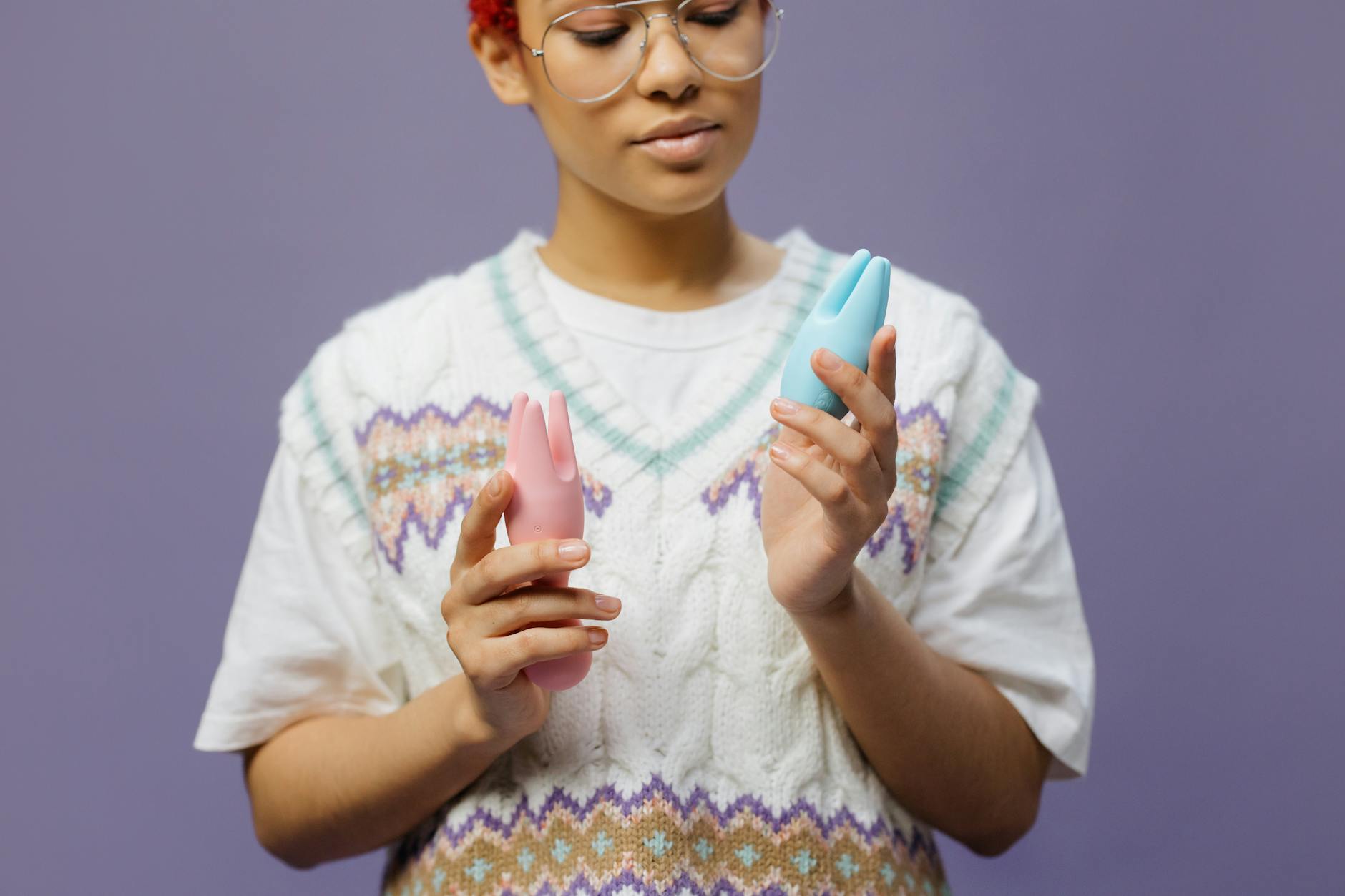
The honest truth about orgasms after 50
Your clitoris doesn't retire. Your brain's pleasure centers don't downsize. Your capacity for orgasm doesn't have an expiration date. What actually shifts is sensitivity to direct friction and how quickly arousal builds. That's not a loss. It's a recalibration that, frankly, often leads to deeper, more satisfying pleasure than your 30s ever delivered.
I've worked with hundreds of people over 50, and the ones who think their best orgasms are behind them are usually the ones who haven't adjusted their approach. The ones who experiment? They're often astonished by what they discover.
Why lemon vibrators work differently for bodies over 50
Here's what changes physiologically after 50. Estrogen drops, which means the tissue covering your clitoris gets thinner and more delicate. Sounds bad, right? It's not. Thinner tissue means the nerves underneath are closer to the surface. That sounds like it should make sensation sharper, and sometimes it does. The catch is that direct pressure that felt amazing at 35 might feel too intense now. It's not numbness. It's changed sensitivity.
Lemon vibrators, especially air-suction clitoral vibrators like the Lem, work beautifully for this shift because they don't use direct friction. Instead, they create gentle rhythmic pulses that stimulate the entire clitoral complex, not just the exposed tip. Think of it as a different entry point to the same nervous system.
The blood flow picture changes too. Arousal takes longer to build, and you might need more time for the clitoris to swell and become fully responsive. That's why warm-up matters more now. It's not a flaw. It's information you can use.
The warm-up window that changes everything
Forgot about the 2-minute foreplay sprint. Over 50, your body thrives on what I call the "extended approach." That doesn't mean it has to be boring or performative. It means giving yourself 15 to 25 minutes of touch, kissing, mental focus, or whatever builds desire for you before you introduce vibration.
Here's what happens during that window. Blood redirects to your genitals. The clitoris engorges. Your natural lubrication might increase (or might not—that's normal). Your nervous system shifts from fight-or-flight to rest-and-digest. Your brain settles. Mentally, you're more present. Physically, you're more responsive.
Start without the lemon vibrator. Use your hands, a partner's touch, or just be still with yourself. Notice what kind of touch feels good now. Lighter? Firmer? Longer strokes or small circles? Your preferences might have genuinely changed, and that's worth exploring before adding vibration into the mix.
How to use a lemon clitoral vibrator when tissue sensitivity has changed
When you're ready to introduce the lemon vibrator, start on the lowest setting. If you're using the Lem or a similar air-suction clitoral vibrator, begin at pulse pattern 1 or 2, not in the middle. The suction intensity will feel completely different now than it did 10 years ago, and that's fine. You're learning your body in a new iteration.
Position it gently at first. You don't need to press it in. The seal creates the sensation, not pressure. Let it sit for a few seconds and notice how it feels. Does it feel good? Teasing? Too much? There's no rush to intensify. You have 15 to 40 minutes. You're not racing anywhere.
Gradually increase intensity if it feels right. Move to pattern 3, then 4. Or stay at pattern 1. Some people over 50 find that they achieve their deepest orgasms on the lowest settings. That's not less pleasure. It's different pleasure, often with more clitoral control and sensation throughout the body.
The rhythm shift that makes orgasms feel new again
When you were younger, maybe you needed fast, consistent stimulation. Maybe you craved intensity and pressure. After 50, many people find that varied rhythm actually builds more tension and leads to more satisfying release. Instead of straight up-and-up to the peak, you might find that a rhythm that pulses, pauses, speeds up, then slows down again creates deeper waves.
This isn't a technical limitation. It's a neurological shift. Your brain can sustain pleasure longer when stimulation varies. Try it. Use the lemon vibrator at pattern 2 for 30 seconds, then move to pattern 4 for 20 seconds, then back to 2. Notice how your body responds. You're not "doing it wrong" if you prefer steady rhythm. You're experimenting. The point is to find what creates the most intense sensation for you now.
Many people also find that after 50, orgasms feel different in their body too. Less focused on one crescendo, more like waves. More full-body. Slightly longer to build but deeper when they arrive. That's not a downgrade. That's often described as more satisfying, not less.
Why lube becomes a genuine game-changer
If natural lubrication has decreased, water-based lube is essential. Not because something is wrong with you, but because thinner tissue benefits from it. A good water-based lube lets the lemon vibrator move across your clitoris without friction that might feel uncomfortable. Use it generously. Reapply if you need to. This is not compromise. This is strategy.
Silicone-based lubes feel richer and last longer, but they'll damage silicone toys. Stick to water-based. Keep some near your bed or wherever you're exploring. Using lube is not a sign that something has changed for the worse. It's a sign that you're honoring your body's actual needs.
The solo exploration piece that matters
If you have a partner, the best thing you can do is learn your own body first. Alone. No audience. No pressure to perform. Spend two or three sessions just with your lemon vibrator, learning what patterns feel best, what positioning works, how your arousal actually builds now. That knowledge transforms partnered sex because you can then guide someone else. You know what you need.
If you don't have a partner, same thing applies. You're building a map of your own pleasure. That's not sad. That's actually the most actionable thing you can do for your own sexual satisfaction.
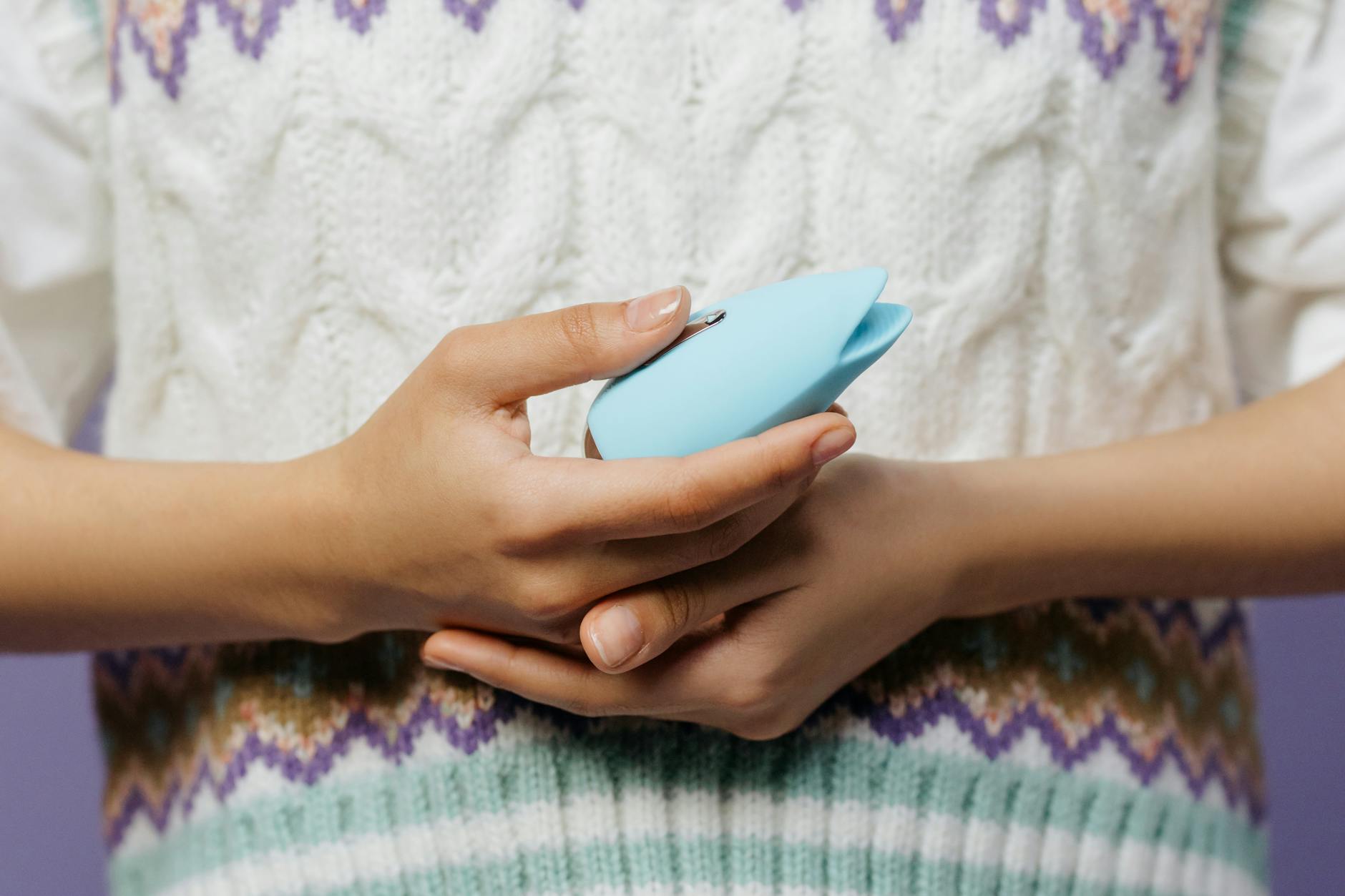
Photo by cottonbro studio on Pexels
When to check in with a doctor
If anything causes pain, see a gynecologist. Genitourinary syndrome of menopause (GSM) is common, treatable, and not something you need to work around forever. Topical estrogen cream, prescribed by a qualified doctor, can restore tissue thickness in weeks. That's not cheating. That's using medicine appropriately.
If you're experiencing zero desire and a lemon vibrator doesn't spark anything, that's worth discussing with a doctor too. Desire changes after 50, absolutely. But if it's disappeared entirely and isn't returning with exploration and time, hormonal factors might be worth investigating. Testosterone therapy is an option, though it's prescribed conservatively in some regions.
The partner conversation, if you have one
If you're with a partner, the shift you're experiencing isn't something to hide. It's something to explain. "My arousal is slower now. I need 20 minutes of warm-up. The intensity of vibration that used to feel right feels too intense now." These are facts, not complaints. Frame them as information, not rejection.
Including a lemon clitoral vibrator in partnered sex often works beautifully because it removes the pressure on your partner to provide "enough" sensation. It's not about them being insufficient. It's about you using a tool that's calibrated to your body now. Many couples find that introducing a vibrator actually improves intimacy because both people are more relaxed.
What actually matters most
Your capacity for orgasm hasn't changed. Your ability to experience pleasure hasn't diminished. What's different is the way in. And honestly, the way in is often better now because you know yourself better, you're less concerned with performance, and you've stopped believing the lie that your 20s were your sexual peak.
The people I've worked with who have the most satisfying sex after 50 have one thing in common. They stopped trying to replicate what used to work and started asking what works now. They got curious instead of disappointed. They used tools like lemon vibrators not as a concession to aging, but as a deliberate choice to maximize pleasure.
Your best orgasms might actually be ahead of you. You just need to explore differently.
People also ask
Why do lemon clitoral vibrators feel different on my body after 50?
Tissue density changes as estrogen decreases, which means the nerves are closer to the surface and more sensitive to varied stimulation. Air-suction vibrators like the Lem work particularly well because they don't rely on direct friction. The gentler pulse technology creates sensation without the pressure that might feel too intense now. You're not losing sensation. You're gaining access to a different kind.
How long should warm-up take if I'm over 50 and using a lemon vibrator?
Aim for 15 to 25 minutes before you introduce vibration. That gives blood flow time to redirect, your clitoris time to become fully responsive, and your nervous system time to settle. You might find that after this extended warm-up, even lower vibration patterns feel incredibly effective. Rushing defeats the entire point.
Can I use a lemon vibrator if I have vaginal dryness?
Absolutely. Water-based lubricant is your friend here. Apply generously and reapply as needed. A good lube removes friction and protects the thinner tissue. You're not working around a problem. You're removing an obstacle so the vibrator can do its job. Silicone lube will damage silicone toys, so stick with water-based.
Do orgasms feel different after 50 when using a lemon clitoral vibrator?
Often they do. Many people describe them as deeper, more wave-like, less focused on one single peak, and longer to build. Some find they're more full-body. These aren't downgrades. They're often described as more satisfying because there's more sensation throughout, not just localized intensity. Your orgasm experience can genuinely improve.
Should I tell my partner I'm using a lemon vibrator?
If you have a partner, yes. This isn't a secret. Frame it as exploration, not rejection. "My body's responding differently now, and I want to maximize what feels good. This tool helps." Most partners appreciate the honesty and the fact that you're taking responsibility for your own pleasure rather than expecting them to guess what you need.
What's the best lemon vibrator pattern for bodies over 50?
There's no universal answer. Some people find that the lowest patterns create the most satisfying sensation. Others prefer varied rhythm. The only way to know is to experiment alone first, then with a partner if applicable. Start low and work up. Notice what creates the longest, deepest sensation. That's your answer.
You deserve pleasure that works for your body now
Your pleasure doesn't decline after 50. It transforms. The tools that worked beautifully at 30 might not be the right fit anymore. That's not a reflection on your sexuality or your desirability. It's just biology, and it's workable. A lemon vibrator, patience with warm-up, honest conversation with partners, and curiosity about what feels good now will take you further than trying to replicate what used to work.
If you have questions about what might work best for your specific situation, reach out. We're here to help you navigate this shift with confidence.