
The honest part nobody talks about
Antidepressants saved your mental health. They also might have made it harder to orgasm. Both things are true. Both matter.
The sexual side effects of SSRIs and similar medications are real, common, and almost criminally underdiagnosed. Surveys suggest 40-60% of people on antidepressants experience some form of sexual dysfunction. But when you're prescribed the medication, you usually hear: "Take this. You'll feel better." Nobody mentions that "better" might come with a numbing in places you didn't expect.
Here's what I've learned from years of working with couples navigating this: the flatness isn't permanent, it isn't inevitable for everyone, and there are concrete strategies that help. A lemon vibrator is one of them.
Why antidepressants affect pleasure in the first place
SSRIs work by increasing serotonin availability in your brain. That's the mechanism that lifts mood, eases anxiety, and stabilizes your emotional baseline. But serotonin also influences dopamine and norepinephrine. Both of those chemicals fire during arousal and orgasm.
The result: your brain is more stable, but the chemical cascade that leads to sexual pleasure gets quieter. Sensation feels muffled. Orgasm takes longer, feels less intense, or sometimes doesn't arrive at all.
This isn't a sign the medication is wrong for you. It means your nervous system has adjusted to the new chemical environment. The clitoris is still there. The nerve pathways are still working. You just need a different strategy to activate them.
Why a lemon clitoral vibrator helps where fingers alone don't
Here's the mechanical piece: when sensation is already dampened, you need more targeted stimulus. A lemon vibrator like the suction-based design concentrates stimulation precisely where it matters most.
Unlike traditional vibrators that rely on friction, air-pulse technology (which is what a lemon sucker does) creates gentle suction and release patterns. This feels different from vibration alone. It engages more nerve endings in the clitoral complex and doesn't require the direct pressure that can feel numb or uncomfortable when your body is already struggling with sensation.
Clinically, I've observed that patients on SSRIs respond better to pulsation patterns than to constant vibration. The on-off rhythm seems to wake up sensation in a way that flat buzzing doesn't.
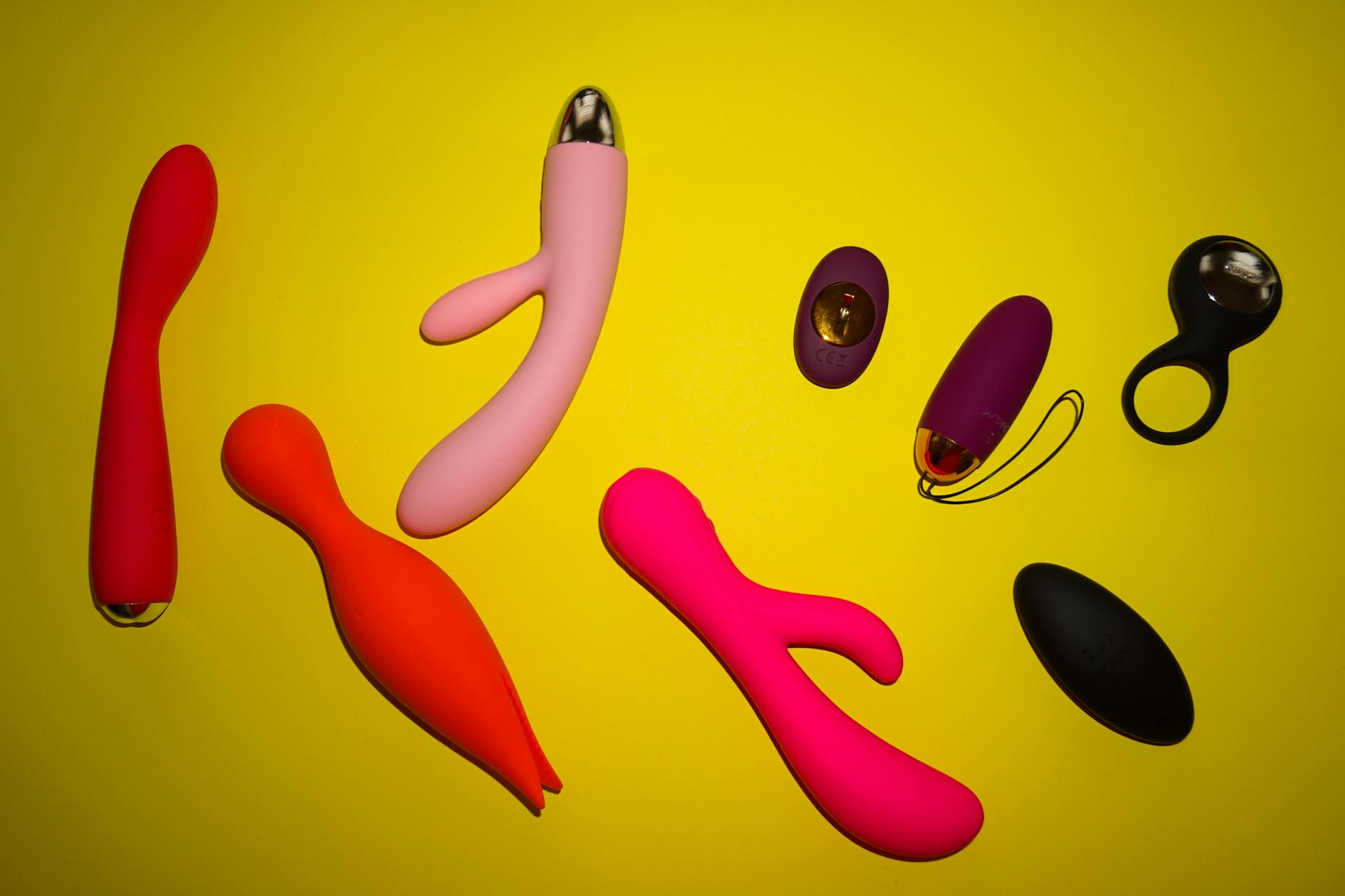
Photo by FounderTips on Pexels
The warm-up that actually matters
When you're on medication that's flattened arousal, a 30-second foreplay session isn't going to cut it. I'm not saying that to shame you. I'm saying it because your nervous system now needs more input to reach the threshold where pleasure becomes possible.
Budget 20-30 minutes. Not all of it needs to be direct clitoral stimulation. Fantasy, touch elsewhere on your body, internal massage, a sense experience like music or scent. Everything counts. Your brain is part of your sexual response, and antidepressants have changed how your brain's arousal system works. You're not broken. You're working with a different wiring.
Start with low patterns on the lemon vibrator. Many people on SSRIs find that patterns 1-3 on a lemon clitoral vibrator feel subtle enough to be pleasurable instead of overstimulating. You can build up, but starting gentle gives your nervous system time to recognize what it's feeling.
When to talk to your doctor (and what to ask)
Not every antidepressant has the same sexual side effect profile. Some SSRIs are worse than others. Sertraline and paroxetine are notorious for sexual side effects. Bupropion and mirtazapine, by contrast, often improve sexual function.
If you've been on your current medication for 8-12 weeks and sexual numbness is still severe, your doctor has options:
- Dose adjustment. Sometimes lowering the dose helps without sacrificing mood stability.
- Medication switch. Moving to a different class or specific agent in the same class can help.
- Timing adjustment. Taking the dose at a different time of day sometimes helps.
- Augmentation. Adding a second medication like bupropion to counteract sexual side effects.
The key: be specific when you talk to your doctor. Don't say "my sex drive is low." Say "it takes me 45 minutes to reach orgasm instead of 10, or I can't reach orgasm at all." Specificity gets you better solutions.
The role of your relationship in this transition
If you have a partner, this is a moment where communication either brings you together or drives you apart. Here's what I tell couples: separating the issue from the person is everything.
"I'm taking medication that's flattened my sensation" is not the same as "I don't want you anymore." But if you don't explicitly name the difference, your partner may internalize it as rejection. And you may feel pressured to perform on a timeline that doesn't match your changed body.
One conversation I recommend: "My medication is affecting how my body responds. This is temporary or manageable with tools and strategies. Here's what I need from you: patience, and a willingness to try new things together."
Then introduce the lemon vibrator not as a replacement for your partner, but as a tool that might help you both reach the pleasure you used to have. Many partners are relieved to learn there's a concrete strategy. It shifts the conversation from "something's wrong with us" to "we're problem-solving together."
What to do if one tool isn't enough
If you're using a lemon clitoral vibrator consistently and sensation is still flatlined, don't just accept it. That's worth bringing back to your doctor.
Sometimes it's not just the medication. Depression itself numbs pleasure. So does anxiety. So does relationship strain or external stress. The medication may be right, but the dose or timing or combination might need tweaking.
I've also seen cases where sensation improved significantly once the underlying depression lifted enough that the person could actually engage with pleasure again. The medication creates stability. Stability creates space. Space allows sensation to return. It's not always immediate, but it's not hopeless.
The patience part
Here's what I want you to know: you didn't cause this, and you can't shame yourself out of it. Your brain is doing its job. The medication is doing its job. You just need a different approach to pleasure than you used before.
Using a lemon vibrator, investing time in warm-up, communicating with your partner and your doctor. These are all acts of reclaiming something that matters to you. That's not settling. That's adapting. And adaptation, it turns out, often leads somewhere richer than the original version.
People also ask
Can I use a lemon vibrator if I'm on antidepressants?
Absolutely. Using a lemon clitoral vibrator is a safe, non-pharmaceutical approach to restoring sensation when antidepressants have dampened pleasure. There are no contraindications between vibrators and SSRIs or other antidepressant classes. In fact, many therapists recommend air-pulse toys like lemon vibrators specifically because the sensation pattern often feels more accessible when arousal is already compromised by medication.
Why does my orgasm feel weaker on antidepressants?
Antidepressants increase serotonin, which is brilliant for mood but can interfere with dopamine and norepinephrine. Those two chemicals drive the physical and psychological intensity of orgasm. When they're dampened, orgasms feel less intense, take longer to reach, or sometimes disappear entirely. This is a common side effect, not a personal failure. The sensation is still possible. It just requires a different stimulus, more time, and often a change in strategy. A lemon sucker can provide that targeted stimulus.
Should I stop my antidepressant to get my orgasm back?
No. Sexual side effects are uncomfortable, but discontinuing an antidepressant without medical guidance is risky. You can experience withdrawal, relapse of depression or anxiety, and other complications. Instead, talk to your doctor about the side effect. There are adjustments, medication switches, and augmentation strategies that might help you keep the mood benefits while restoring sexual function. You don't have to choose between mental health and pleasure. Usually you can have both.
How long does it take for sensation to return if I switch medications?
Timing varies. Some people notice improvement within days of switching. Others take 2-4 weeks. Some notice no change. It depends on the medication you were on, the one you're switching to, how long you were on the original medication, and individual neurochemistry. The key is not to panic if change doesn't happen immediately. Give a new medication at least 4-6 weeks at a therapeutic dose before deciding it's not working.
Can a lemon vibrator help if my antidepressant killed my desire entirely?
A vibrator can help restore sensation, but if desire is completely absent, that often points to something deeper than numbness. Sometimes it's depression itself (which antidepressants are still treating). Sometimes it's a medication dose issue. Sometimes it's relationship problems or external stressors. A vibrator is a tool for sensation. If desire isn't there, the real work is usually with your doctor or a therapist to untangle what's underneath. That said, sometimes restoring sensation through a tool like a lemon clitoral vibrator can help reignite desire by reminding your body what pleasure feels like.
Is it normal to need more time to orgasm on antidepressants?
Completely normal. Clinical data suggests 30-40% of people on SSRIs experience delayed orgasm or anorgasmia. Needing 45 minutes instead of 15, or needing a lemon vibrator where you didn't before, isn't a sign something is wrong. It's a sign your neurotransmitter balance has shifted. That's what the medication does. The solution isn't to push yourself harder or feel guilty. It's to adjust your expectations and your tools. Budget the time. Use what works. Your pleasure is worth the effort.
If you're navigating antidepressants and sexual side effects, you're not alone, and it's not permanent. The combination of the right medication conversation with your doctor, realistic warm-up time, and a tool like a lemon vibrator can bring pleasure back into your life. If you'd like to explore this further or need support navigating medication changes alongside your relationship, let's talk.