Here's the thing about relationship stress and desire
When things feel tense with a partner, your libido doesn't just dip. It vanishes. And it's not because you've stopped being attracted to them. It's because desire lives in the nervous system, and your nervous system is in survival mode. You're managing conflict, monitoring their mood, tracking unspoken tension. There's no bandwidth left for pleasure.
The weird part? This is actually normal. Your brain is doing exactly what it's supposed to do. But normal doesn't mean you have to live without sensation until the conflict resolves.
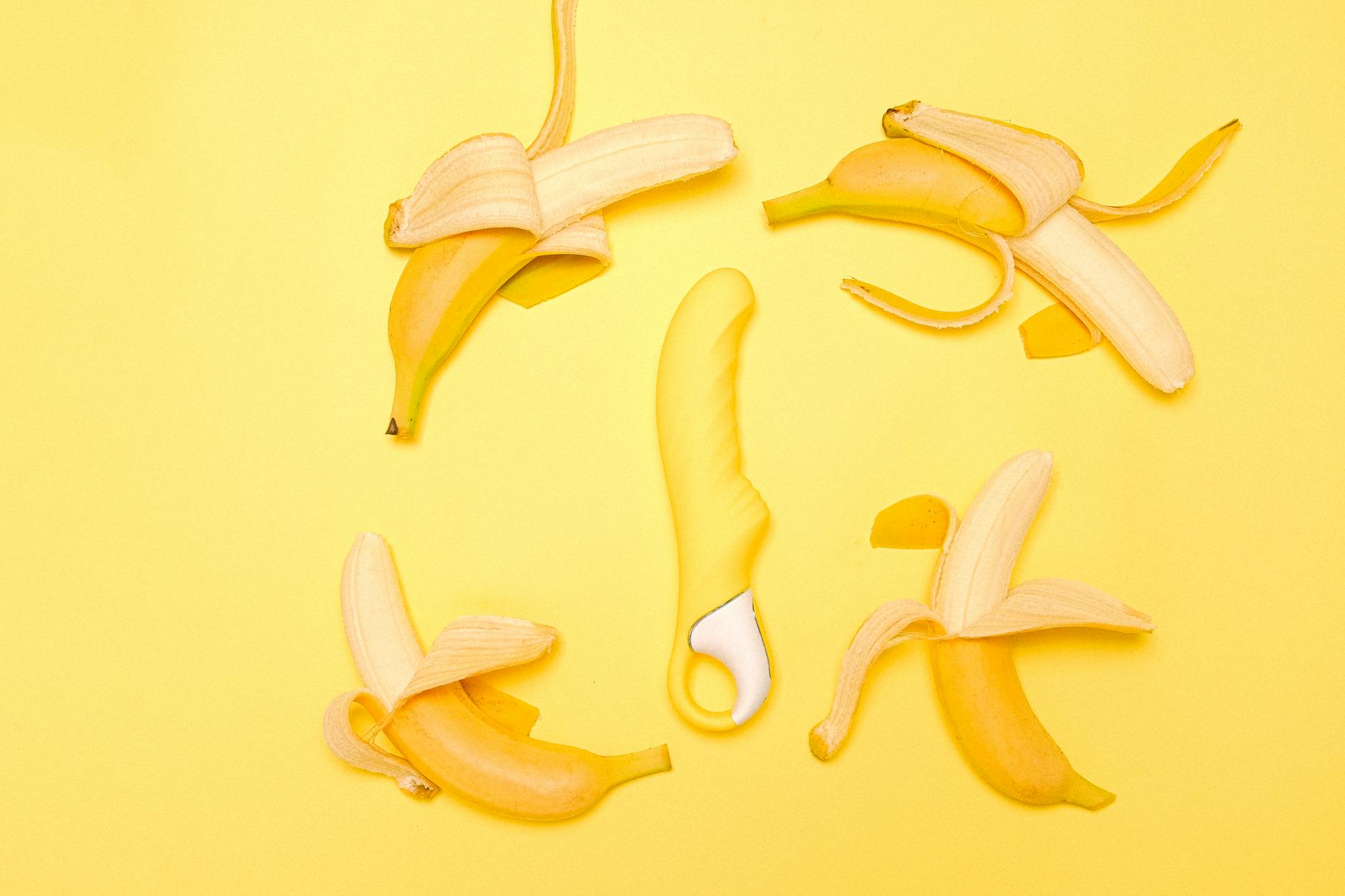
A lemon clitoral vibrator offers something that waiting doesn't: solo reconnection to pleasure on your own terms, without the pressure of a partner's presence or the performance of couple's intimacy. This isn't about choosing the vibrator over your partner. It's about keeping your nervous system's pleasure channels open while you both work through the harder stuff.
Why relationship stress specifically numbs arousal
When there's unresolved tension with a partner, your amygdala stays activated. You're scanning for threat. Your body isn't safe enough to relax into arousal because part of your attention is still on the relationship problem. This happens even if intellectually you know the conflict is temporary.
The second part of the equation is harder to name but equally real: when you feel emotionally disconnected from a partner, it's almost impossible to feel sexually connected. Resentment builds. Touch becomes fraught. Even initiation feels loaded with the weight of everything unsaid.
A lemon vibrator breaks this cycle in one specific way. It removes the relational component entirely. There's no negotiation, no worry about their needs or timing, no performance anxiety. Just your nervous system and sensation. That's often enough to restart the pleasure channels that stress has put on pause.
Starting solo while things are still tense
The best time to use a lemon sexual toy when relationship stress is high is when your partner isn't home or expecting you. Not because you're hiding, but because solo pleasure has different rules. You're not managing anyone else's feelings or presence.
Set 20 minutes aside. Phone on silent. Lock the door if that helps your nervous system feel safe. Start with the lemon vibrator on the lowest pattern, usually pattern 1 or 2 on devices like the Lem.
Don't rush to intense sensation. The whole point here isn't achieving orgasm quickly. It's reintroducing your nervous system to the fact that pleasure is still possible, even amid conflict. Some sessions will end in orgasm. Some won't. Both are fine.
When relationship stress kills desire, solo pleasure isn't infidelity or avoidance. It's nervous system maintenance.
Why lemon clitoral vibrators work specifically for this
Clitoral vibrators like the Lem use suction and pulsing patterns that don't require you to be already aroused to feel good. That matters when stress has flattened your baseline arousal. A lemon sucker works through direct nerve stimulation, not through the cascade of arousal that partnered sex requires.
You also have total control over intensity and pacing. There's no rhythm to match, no reading of cues, no pressure to reciprocate. That autonomy is radical when you've been in a relationship where everything feels negotiated.
The other piece: lemon adult toys are quiet enough that you're not adding shame or worry on top of the existing relationship tension. That silence means you can focus on sensation instead of managing the guilt or fear of being discovered.
Patterns and settings that help most
When stress has dulled sensation, most people jump straight to the strongest pattern. Resist that. Start at pattern 1 for at least 5 minutes. Your nervous system needs time to register that this is safe.
Then shift to pattern 2 or 3. Most lemon vibrators cycle through 5-10 patterns. The middle ones usually offer pulsing rather than constant vibration, which often feels less intense and more building.
If you hit a ceiling where sensation stops building, switch patterns. Don't increase intensity on the same pattern. Pattern-switching works differently than ramping up power because your nerve endings adapt quickly to constant vibration. Variation keeps them engaged.
Many people find that slower, pulsing patterns (not the fastest rumble) feel most pleasurable when stress has been numbing everything. That might feel counterintuitive. Your instinct might be to chase intensity. But gentler patterns often reconnect sensation faster.
The breathing piece that changes everything
Here's what I notice when clients use lemon clitoral vibrators during high-stress periods: breathing matters more than the vibration itself. When you're stressed, you shallow-breathe. Your nervous system stays contracted.
As you use the vibrator, actively breathe into your belly. Not in a spiritual way. Just simple expansion. In for four counts, out for four. This signals to your nervous system that you're safe enough to feel.
If you notice your mind pulling back to the relationship problem, don't fight it. Notice it. Breathe. Come back to sensation. Your attention will wander. That's expected when your nervous system is already dysregulated by conflict.
When to involve your partner again
This is the part most people get wrong. They assume solo pleasure is a stepping stone back to couple's pleasure. Sometimes it is. Often it's not about that timeline at all.
Using a lemon sexual toy while things are tense with a partner isn't a signal that you're ready to have sex together. It's just maintenance. It's keeping your own capacity for pleasure alive.
If and when you want to bring partnered sex back into the picture, that's a separate conversation. One that ideally happens after the core relationship tension has moved, or at minimum after you've both acknowledged it.
Some couples integrate a lemon vibrator into partnered play once things stabilize. Some don't. The vibrator doesn't have to become a couple's thing for it to serve its purpose. Solo reconnection is enough.
The guilt piece you might be carrying
A lot of people feel weird about using a lemon adult toy when they're in a relationship that's currently struggling. There's a sense that they should only be sexual with their partner, or that solo pleasure is somehow a betrayal of the work they're trying to do together.
Here's the reality. Your pleasure is not a betrayal. Your nervous system is not a resource you owe entirely to your partner, even in a healthy relationship. Especially not when that relationship is in a stressed state.
Using a lemon vibrator for yourself is actually an act of self-preservation. It keeps you from going completely numb. It reminds your body that sensation is still possible. That has a way of making you less resentful, less withdrawn, and actually more available to your partner once things soften.
What happens after the conflict resolves
If and when the relationship stress begins to lift, you might notice that desire comes back without the vibrator. Some people stop using it. Others find that the lemon lem vibrator has become part of their solo pleasure practice permanently, which is also completely normal.
The vibrator isn't a crutch you need to outgrow. It's a tool that served a purpose during a hard period. Whether you keep using it is entirely your call.
One thing I've noticed: people who give themselves permission to maintain pleasure during relationship stress actually recover faster from conflict. They stay more resourced. They're less likely to act out of desperation or depletion. Your pleasure matters as much as the repair work.
FAQ
How often should I use a lemon vibrator when relationship stress is high?
Once or twice a week is a good baseline. You're not trying to white-knuckle through pleasure or turn it into another performance. Once or twice is enough to keep your nervous system remembering that sensation is possible. More than that can start feeling like escape rather than maintenance. Listen to what feels like connection versus what feels like avoidance.
Will using a lemon clitoral vibrator alone make my partner feel rejected?
Not unless you frame it that way. If you're using it as an alternative to couple's sex while actively avoiding intimacy or conversation, yes, it can read as rejection. If you're using it as nervous system care while you're both working through conflict, it's different. You don't have to tell your partner every detail of your solo practice, but you also shouldn't build it into a secret. Transparency about self-care reads differently than secrecy about avoidance.
What if I can't orgasm on the lemon vibrator because I'm too stressed?
That's completely normal. Stress contracts your ability to reach orgasm. The goal isn't climax. It's sensation and nervous system regulation. If you're feeling anything at all on the vibrator, it's working. Orgasm will follow when your system is less activated.
Can we use the lemon vibrator together while we're working through conflict?
Sometimes, but usually not immediately. Partnered play during active conflict often adds pressure instead of relief. Better to stabilize your own solo practice first, let some of the tension ease, then explore together if you both want to. The vibrator will still be there once things feel safer.
How long until relationship stress stops affecting my arousal?
It depends on the conflict. Surface tension can ease in weeks. Deeper ruptures take months of active repair. Your arousal won't fully return until your nervous system believes the relationship is safe again. That belief comes from consistent reassurance, repair conversations, and follow-through. A vibrator can keep you resourced during that waiting period, but it can't fast-track the emotional work.
Should I hide the lemon vibrator from my partner?
That depends on your relationship. Some couples are comfortable with each other's solo practices. Some aren't there yet. If you feel you need to hide it completely, that might be worth examining. Not because you're doing anything wrong, but because hiding often signals that shame is driving the choice rather than intentionality. If honest conversation about it feels impossible, that might be pointing to a larger communication pattern worth addressing.
You don't have to wait for calm to feel good
Relationship stress is real and sometimes it lasts longer than you'd like. But that doesn't mean your body has to go dormant in the meantime. A lemon vibrator is a straightforward way to keep your nervous system resourced, your pleasure channels open, and your sense of autonomy intact while you and your partner work through the harder stuff.
Your sensation matters. Your pleasure matters. Not eventually, when the conflict resolves. Now.
If you're ready to explore how solo pleasure fits into your specific relationship and stress pattern, reach out to us. We're here to help you think through what reconnection looks like for you.
Sources
Gottman, J. M., & Silver, N. (2015). The Seven Principles for Making Marriage Work. Harmony Books.
Johnson, S. M. (2019). Attachment theory in practice: Emotionally focused therapy (EFT) with individuals, couples, and families. The Guilford Press.
Perel, E. (2018). Mating in Captivity: Unlocking Erotic Intelligence. HarperCollins.