When desire stops showing up
You're not broken. After five years, fifteen years, or three decades together, desire often flatlines. You still love your partner. You're not attracted to someone else. You just... don't want sex the way you used to. And then the guilt kicks in, which makes it worse.
Here's what I've seen in decades of couples therapy: desire doesn't die in long-term relationships. It gets buried under routines, emotional depletion, work stress, resentment you haven't named, and the simple fact that your partner's body stopped feeling novel about the same time you got comfortable forgetting to text them good morning.
The good news is that desire can be rebuilt. And one of the most useful tools for starting that conversation with your own body is a quality clitoral vibrator like the Lem.
Why arousal breaks down in long-term partnerships
Most couples assume desire fades because the relationship is failing. That's rarely true. Desire fades because the conditions that created it in the first place have shifted.
In new relationships, arousal is effortless. Your brain is flooded with dopamine every time you see your partner. Novelty is built in. You're still discovering each other's bodies, preferences, and what makes them laugh at 2 a.m.
In long-term partnerships, that novelty vanishes. You know exactly what will happen when you kiss. You know their routine. You know what they're about to say before they say it. Your brain stops producing that cascading arousal response because there's no mystery left to investigate.
Then there's the emotional layer. After years together, small resentments accumulate. They don't load the dishwasher the way you asked. They're on their phone during dinner. They promised to call the plumber and didn't. These aren't dealbreakers, but they are arousal killers. You can't feel desire for someone you're silently angry with.
Add to that the fact that most long-term couples haven't had a real conversation about sex in years. Maybe ever. So desire doesn't just fade. It gets compounded by shame, assumption, and the fear of admitting you're not interested anymore.
The role of clitoral stimulation in reconnecting with desire
Here's something that surprised many of my clients when we first talked about it: you don't need your partner to feel desire again. You need your body to remember how.
Desire lives in your nervous system before it lives in your relationship. When you've spent years not feeling aroused, your body literally forgets what that buildup feels like. The pathway from anticipation to climax gets overgrown. You're not missing your partner's touch. You're missing the sensation itself.
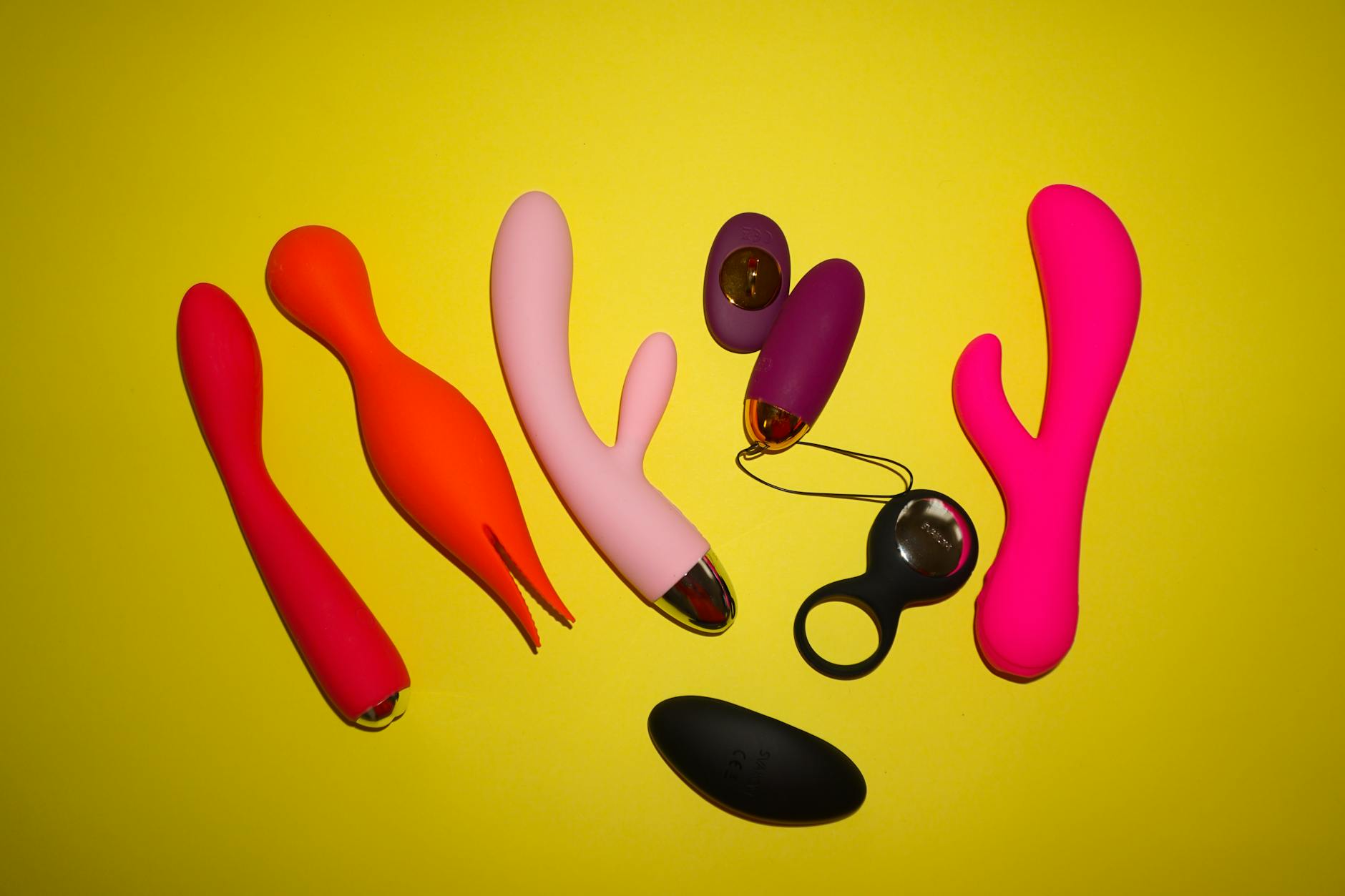
This is where a lemon clitoral vibrator becomes genuinely useful. Not as a substitute for your partner, but as a tool for remapping your own arousal.
Clitoral vibrators work differently than penetration or manual stimulation. They don't require the kind of sustained focus or performance that sometimes becomes paralyzing in long-term relationships. With a clitoral suction toy like the Lem, you get immediate, consistent stimulation that lets your nervous system remember what arousal feels like without the psychological weight of "am I doing this right" or "is my partner enjoying this."
The Lem uses gentle air-suction technology rather than traditional vibration. That means it stimulates the hundreds of nerve endings in your clitoral tissue without the intensity or friction that can feel overwhelming after years of low arousal. You control the pattern and intensity. Your partner isn't watching. There's no performance involved.
Starting the conversation with yourself first
Before you introduce any toy into your partnered sex life, spend time alone with it.
Set aside fifteen to thirty minutes when you're not rushed, when your partner isn't home or nearby, and when you can be genuinely curious about what feels good. Not goal-oriented. Not trying to orgasm. Just exploring.
Start with the lowest setting on your lemon clitoral vibrator. Many people jump to higher intensities because they assume that's where pleasure lives. It usually isn't. The lower patterns allow you to notice subtlety. You'll feel where the sensation is strongest, whether you prefer direct stimulation or contact around the clitoral hood, what rhythm actually makes your body respond.
This takes pressure off. You're not performing. You're gathering information about your own body that's probably been dormant for years.
After three or four solo sessions, you'll have a clearer sense of what actually turns you on. That information is gold when you eventually bring it back to your partner.
The pelvic floor and desire reconnection
Here's something most people don't know: your pelvic floor is directly involved in sexual arousal and orgasm. After years of low desire, the muscles of your pelvic floor often become either too tense (you're holding tension) or too weak (you've lost tone).
When you use a clitoral vibrator regularly, you're actually helping to rebuild pelvic floor awareness and strength. The stimulation triggers subtle contractions. Over weeks of consistent use, those contractions become more coordinated, and arousal builds more efficiently.
This isn't a quick fix, but it is a real one. Many of my clients report that after six to eight weeks of using a lemon sucker or similar clitoral vibrator two or three times a week, they start noticing spontaneous arousal returning. They think about sex. Their body responds more quickly to their partner's touch.
Bringing it into partnered sex
Once you've spent some time reconnecting with your own pleasure, the next conversation is tricky. Here's what actually works:
Don't make it about what's broken. Don't say "I never feel aroused anymore" or "I don't want sex with you." That triggers defensiveness immediately.
Instead, frame it as curiosity. "I've been thinking about trying something new. I found this toy that I liked playing with solo, and I'm curious what it would feel like if you were involved." That's true and it's collaborative.
The first time, don't make it the focus of the whole encounter. Use it for fifteen minutes as part of a longer session. Your partner might touch you while you're using it. You might use it while they're inside you. You might use it while they watch. The point is that you're introducing a variable that gets both of you out of the rut of routine.
This often changes the dynamic in ways that have nothing to do with the toy itself. You're acknowledging that something wasn't working. You're taking responsibility for your own pleasure rather than expecting your partner to fix it. You're being vulnerable about what you want. Those are intimacy builders.
Common resistance and how to move past it
Many long-term partners balk at toys initially. Men sometimes feel threatened. Women sometimes feel they're admitting defeat. Both are understandable and both are worth addressing directly.
If your partner feels threatened, the reframe is this: "This isn't about you. It's about me learning what my body responds to so that I can bring that knowledge back to us." And then actually do that. Don't disappear into solo toy use. The toy is a bridge back to partnered sex, not a replacement for it.
If you feel like you're admitting defeat, remember that you're actually taking agency. You're saying "my pleasure matters and I'm willing to explore it." That's not defeat. That's self-respect.
Most couples find that once the initial awkwardness passes, introducing a clitoral vibrator actually improves their sex life across the board. You're not comparing it to what it used to be. You're building something new.
The timeline for desire rebuilding
Desire doesn't snap back overnight. If it's been years since you felt genuinely aroused, you're looking at eight to twelve weeks of consistent solo exploration before you see real change in your partnered sexuality.
But here's what changes in that time: you stop feeling broken. Your body starts remembering what pleasure feels like. You become someone who has agency over their own arousal rather than someone waiting passively for desire to happen.
And that shift in identity is what actually rebuilds desire in the partnership.
When desire issues point to something larger
Sometimes low desire is just low desire. Sometimes it's pointing to a much bigger relationship issue that a toy can't fix.
If you feel no emotional connection to your partner. If you resent them most of the time. If you're staying in the relationship out of obligation rather than genuine affection, a lemon vibrator isn't the answer. A couple's therapist is.
But if you still love them, still want to be with them, and just lost the thread of sexual connection, then a tool that helps you reconnect with your own body while opening the door to a new conversation with your partner is exactly what you need.
FAQ
Can using a clitoral vibrator solo actually rebuild desire with my partner?
Yes, but indirectly. Solo use reconnects you with arousal. That builds confidence and self-knowledge. You then bring that back into partnered sex with more clarity about what you actually want. The toy itself isn't magic. Your willingness to explore and then communicate about it is.
How often should I use a lemon clitoral vibrator if I'm trying to rebuild arousal?
Two to three times a week is ideal. You're not trying to orgasm every time. You're building consistency. That regularity helps your nervous system remember what arousal feels like. Set a loose schedule and stick to it for at least six weeks before assessing whether it's working.
Will my partner feel hurt or replaced if I use a vibrator?
Many partners feel that initially. That's why the conversation matters more than the toy. Frame it as "I want us to have better sex and this is one way I'm going to figure out what I need." Then actually involve them once you understand your own body better. Most partners appreciate the effort and the renewed interest in sex.
Is it normal for desire to be low after ten years together?
Completely normal. Most long-term couples experience periods of low desire. The brain adapts to the familiar. Stress piles up. Resentment builds. It's not a sign that you don't love them or that the relationship is doomed. It's a sign that you need to actively rebuild what used to be automatic.
What if using a vibrator solo doesn't help?
Then you probably have a deeper issue that sex education or toys can't fix. That might be depression, relationship dysfunction, hormonal changes, or just fundamental incompatibility. If solo exploration doesn't budge your arousal after two months, talking to a therapist is the next step.
Can I use a lemon vibrator with my partner if they have a penis?
Absolutely. A clitoral vibrator doesn't prevent penetration. Many couples use them during penetrative sex for additional stimulation. Some partners enjoy watching or participating in the stimulation. Explore what feels good for both of you.