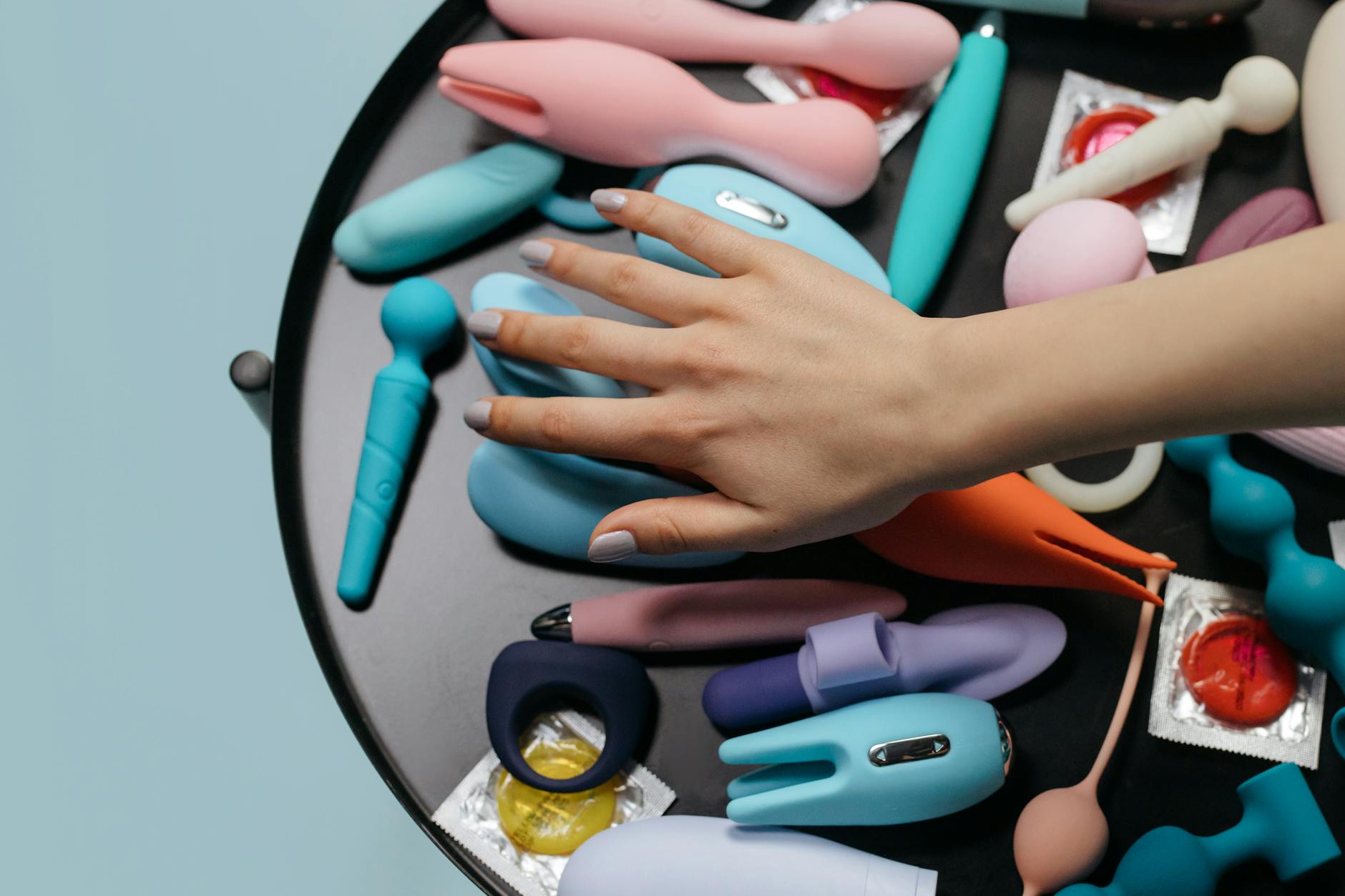
The part nobody mentions in the pharmacy
Okay, so your antidepressant is working. Your mood is stable, your anxiety isn't eating you alive, and you're not crying in the shower three times a week anymore. That's huge. And also, you can't feel much of anything down there, and it takes forty-five minutes to maybe orgasm. Which is its own kind of loss.
This isn't a side effect that gets better on its own. Selective serotonin reuptake inhibitors (SSRIs) and other classes of antidepressants affect both arousal and sensation by design. They're not bugs in the system. They're how the medication works. The question isn't whether this is real. The question is what to actually do about it.
Why antidepressants change sensation in the first place
SSRIs work by keeping serotonin circulating longer in your brain. That's brilliant for mood. It's less brilliant for sensation because serotonin also travels through the spinal cord and pelvic nerves, which regulate arousal and orgasm. Higher serotonin in those pathways can mean slower activation, delayed orgasm, or a sensation that feels like you're experiencing pleasure through a layer of glass. Some people describe it as "the feeling is there but it's far away."
Tricyclic antidepressants and SNRIs affect it differently. Some people feel almost no change. Others feel completely cut off. The variation is wild because it depends on your individual brain chemistry, the specific drug, and the dosage.
Here's what matters: this is not a reflection of your attraction or your relationship. It's not something you can think your way out of. And it's also not permanent or unchangeable.
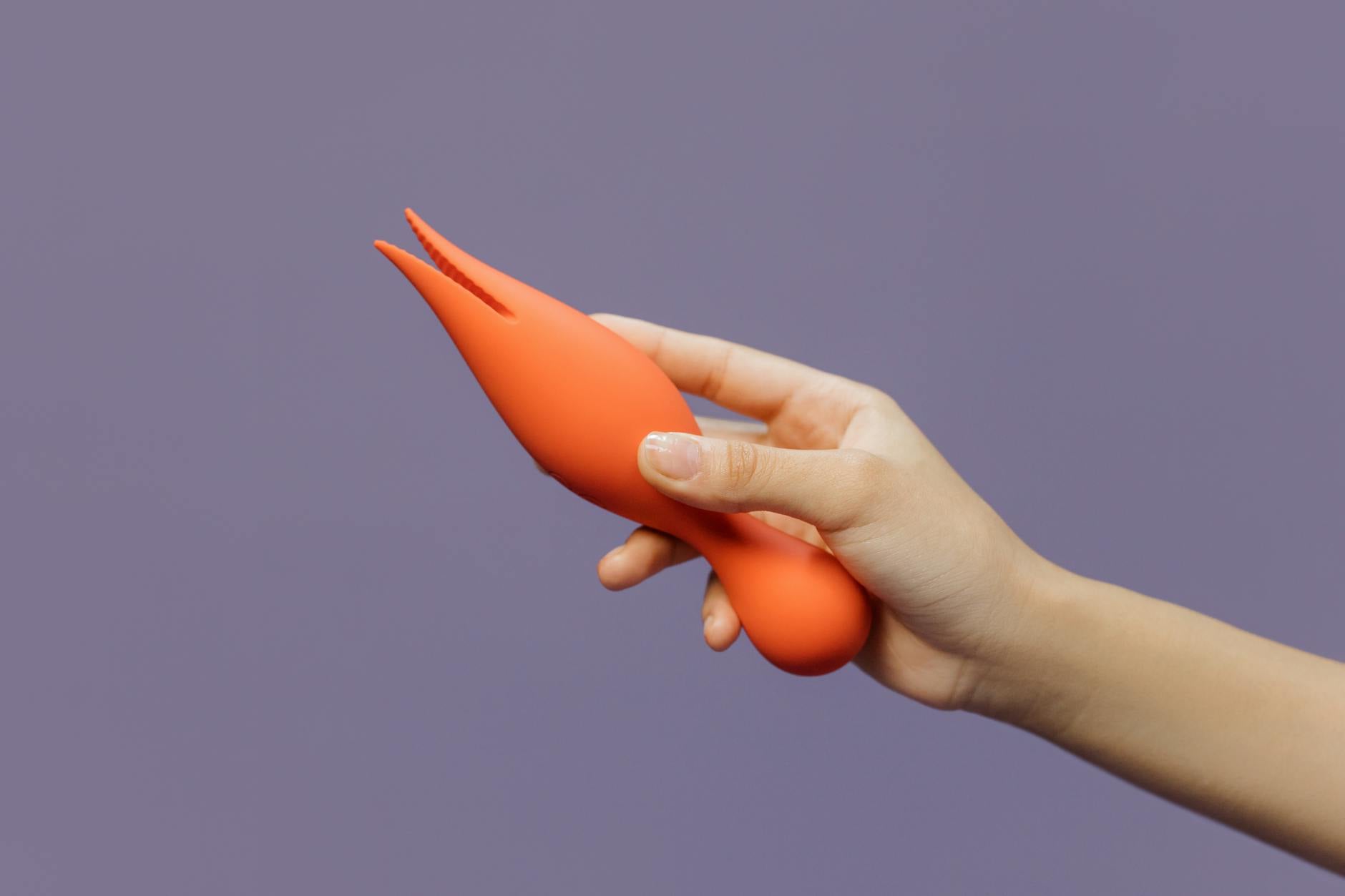
Photo by cottonbro studio on Pexels
How air-suction stimulation works differently than friction
Most vibrators use oscillation or rotation. A lemon vibrator, also called a lemon sucker, uses air-pulse suction technology. The distinction matters here because suction creates a different type of stimulation altogether.
With traditional vibration, the toy moves against tissue. If sensation is muted from antidepressants, that friction might feel vague or require intense pressure to register at all. Suction, by contrast, works deeper. It pulls gentle pressure into the tissue, which engages nerves differently than surface vibration. Many people on antidepressants report that a lemon clitoral vibrator creates sensation they can actually feel, even when regular vibrators feel like nothing.
The lem vibrator has multiple intensity patterns, starting very low. This matters because you're not looking for "maximum buzz." You're looking for graduated, consistent stimulation that lets you build sensation slowly.
Here's the practical difference: if your SSRI has made orgasm feel distant or numb, a Lem vibrator can help bridge that gap. It's not magic. But it works for the neurological reality of what's happening in your body right now.
Timing your pleasure around your pill
When you take your antidepressant changes the intensity of its side effects on sensation. Most SSRIs hit peak blood levels 4 to 6 hours after you take them. This is also when sexual side effects are usually strongest. The practical move: don't schedule intimacy or solo exploration for right when the medication is peaking.
If you take your SSRI in the morning, your midday arousal will be stronger than your evening arousal. If you take it at night, your morning might feel less numb. Neither of these is a huge shift, but for people with severely muted sensation, timing can be the difference between "I felt nothing" and "I felt something."
Talk to your doctor about whether taking your pill at a different time of day makes sense for your schedule. Some people find that a slight dose adjustment also helps without compromising their mental health benefit. This is worth exploring with your prescriber, not something to DIY.
The skill of slow arousal on medication
When sensation feels delayed or muted, rushing doesn't help. You can't think your way into arousal, and you can't force an orgasm that isn't building naturally.
What actually works is intentional slowness. I'm talking 20 to 30 minutes of foreplay or solo exploration before you even introduce a lemon vibrator. Let your body warm up. Use a water-based lubricant even if you don't think you need it yet. The extra glide helps. Breathe differently. People on antidepressants often hold their breath without noticing. Deeper, slower breathing actually increases blood flow to the genitals.
Then, start with the Lem vibrator on its lowest pattern. Let it sit there. Don't chase sensation. Let sensation come to you. This feels counterintuitive when you're used to orgasm being quick and easy. But on medication, orgasm is a different skill. You're learning how your body responds now, not trying to recreate how it responded before.
When numbness is worth revisiting with your doctor
If a lemon sexual toy and slower exploration help, great. You've found a workaround. But if sensation stays almost completely absent after six weeks of trying, that's worth flagging with your prescriber.
You might be a candidate for augmentation (adding a second medication to offset the sexual side effect), switching to a different antidepressant with less severe arousal effects, or adjusting your dose slightly. Some people do really well on a lower dose that still manages their depression. Others find that a different SSRI or a completely different class of antidepressant doesn't touch their libido the way their current one does.
This isn't a reason to stop your antidepressant. It's a reason to have a specific conversation with your doctor about your sexual function as a quality-of-life issue. That conversation deserves the same attention you'd give to any other side effect.
Managing expectation and pleasure together
Here's the thing I see people miss: using a lemon clitoral vibrator when you're on antidepressants isn't about returning to how you felt before. It's about meeting yourself where you are now and building a new baseline.
Your orgasms might take longer. They might feel different in shape or intensity. You might need a different kind of touch or pattern to get there. All of that is real and valid. The goal isn't to erase the medication's effects. The goal is pleasure that actually registers. A Lem vibrator often makes that possible.
If you have a partner, include them in this reset. Tell them what you're experiencing. Show them the suction patterns. Let them know that slower arousal isn't less arousal. It's just different timing. Couples who navigate this together often report that their sex life becomes more intentional, more communicative, and often more satisfying than it was before the medication.
Questions you're probably asking
Does switching antidepressants always fix sexual side effects?
Not always, but sometimes. Different medications affect different people differently. Some people find that switching from an SSRI to a different class like bupropion makes a huge difference. Others try three different drugs and still have the same issue. The variability is real. Working with your doctor on a trial-and-error approach, with a focus on your specific symptoms, is the only reliable way forward.
Can I use a lemon vibrator while taking antidepressants?
Absolutely. A lemon clitoral vibrator is safe alongside any antidepressant. There are no drug interactions. The toy itself isn't changing your medication's effect on sensation. It's working with your nervous system as it is right now to create stimulation that registers. Many people find that air-suction technology works better than traditional vibration when sensation is already dampened.
Will using a lemon sexual toy make the numbness worse?
No. In fact, consistent use of any form of sexual stimulation can help maintain sensitivity over time. Your body adapts to what you're doing. If you stop all sexual activity, sensation can feel even more muted when you try again. Regular exploration with a Lem vibrator helps keep those neural pathways active.
How long before I notice a difference using a lemon vibrator?
Some people feel a difference in the first session. Others take two or three weeks of consistent exploration to notice that sensation is building differently. Give yourself at least three weeks of weekly use before you decide whether this approach is working for you. Your nervous system is learning something new.
Should I tell my doctor I'm using a vibrator?
You don't have to. But if you're asking your doctor about sexual side effects from your antidepressant, mentioning that you're using a lemon vibrator can be helpful context. It shows you're taking an active approach to managing the side effect. Most good doctors are not judgmental about this. If yours is, that's a sign you might need a doctor who takes sexual function seriously.
What if my partner doesn't want me using a lemon vibrator during sex?
That's a conversation worth having, probably with a therapist. Using a tool to help you feel pleasure isn't a threat to your partner. It's a way of caring for yourself. Partners who understand that antidepressants are saving your life usually understand that a lemon clitoral vibrator is supporting your wellbeing. If that's not the case, there's something else going on that deserves attention.
The actual bottom line
Your antidepressant is doing what it's supposed to do. Healing your brain is not the same as harming your pleasure, even if it feels that way right now. A lemon vibrator, combined with slower exploration, timing adjustments, and honest conversations with your prescriber, can help you rebuild sensation and orgasm.
You don't have to choose between mental health and sexual function. You deserve both. And if your current setup isn't delivering on both fronts, that's exactly what you should be discussing with the people who prescribed your medication.
Want to explore how communication and pleasure work together in your relationship? Reach out to Hello Nancy to talk through what's working and what isn't.