Let's talk about what nobody mentions
Oral sex is supposed to feel good. When it doesn't, the silence around it is somehow worse than the discomfort itself. You might be wondering if something's wrong with you, if your partner's doing it wrong, or if you're just not into it. The truth is simpler and more fixable than you think.
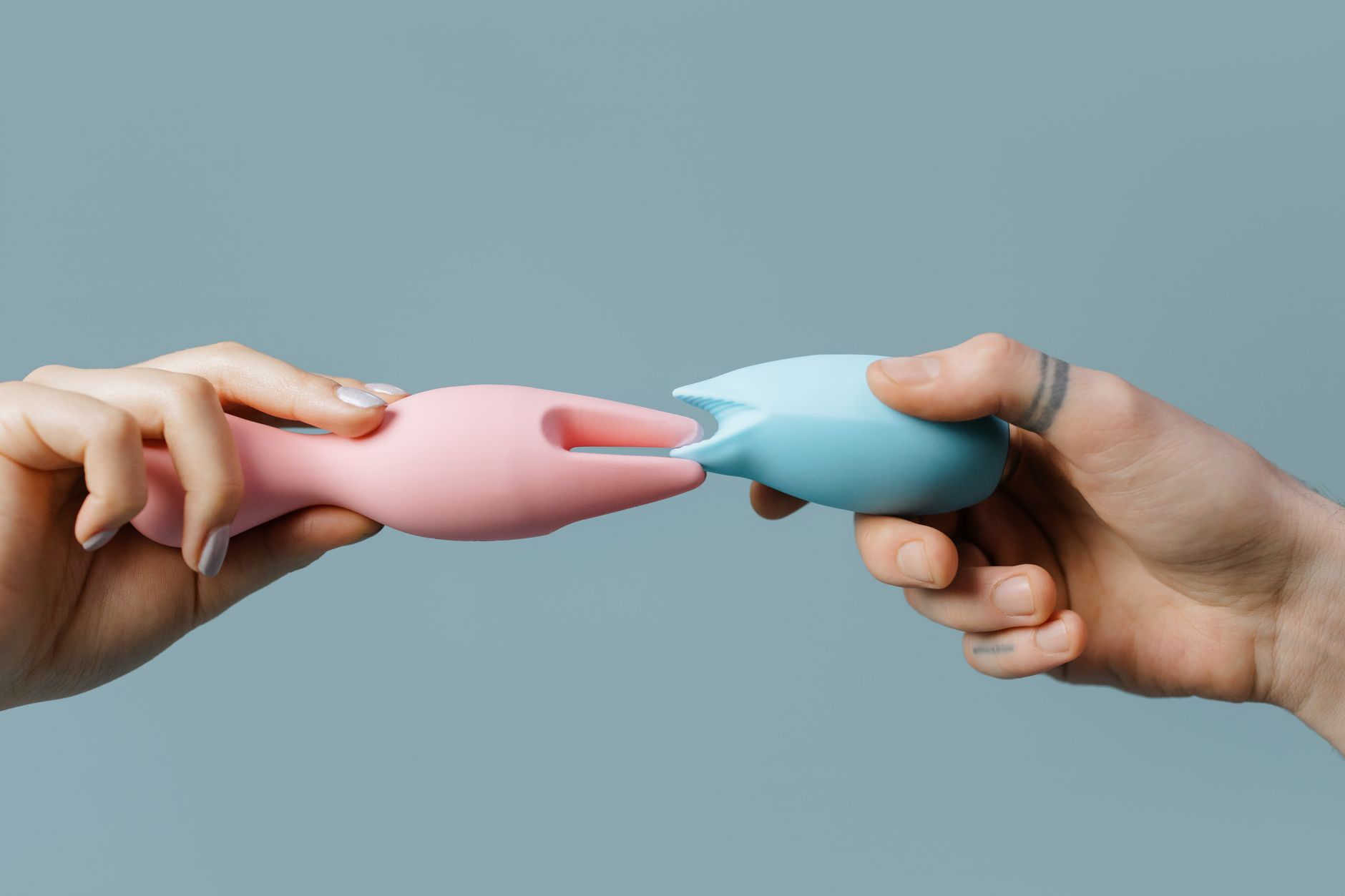
Discomfort or pain during oral sex happens for specific, addressable reasons. And when it does, a clitoral vibrator like the Lem gives you a way forward that doesn't require pushing through pain or avoiding pleasure altogether.
Why oral sex can feel uncomfortable
There's no single cause, which is why it's so easy to dismiss. Here are the most common culprits.
Friction and direct pressure. Some people's tissue is naturally more sensitive to the sustained friction and suction of oral sex. The delicate skin on and around the clitoris can become irritated, especially if you're going longer than 15-20 minutes. Saliva evaporates, friction increases, and suddenly what felt okay now feels raw.
Dental work or sensitivity. If you've had recent dental work, your mouth might be swollen or tender, making oral contact feel sharper than usual. Some people also have enamel sensitivity or gum recession that makes their mouth literally feel rougher.
Skin conditions. Eczema, dermatitis, or contact sensitivity on the vulva can make light touch unbearable. Even fabric softener residue or a new soap can trigger soreness that makes oral contact feel painful rather than pleasurable.
Pelvic floor tension. When your pelvic floor is tight, sensation becomes hypersensitive. Light touch that would normally feel nice gets interpreted as irritation. This is especially true if you're stressed, anxious, or have a history of pelvic floor dysfunction.
Yeast or bacterial imbalance. If you're dealing with thrush or bacterial vaginosis, any external stimulation can sting. The tissue is inflamed, and pressure makes it worse. This one needs medical attention, but it's incredibly treatable.
Hormonal shifts. Lower estrogen (from hormonal birth control, perimenopause, or postpartum recovery) means thinner, more fragile tissue. Oral contact that felt fine before now causes irritation or micro-tears.
When you need to see a doctor (and why it matters)
If pain is sharp, stinging, or persistent, don't wait. Book an appointment with a gynecologist or urogynecologist. Conditions like vulvodynia, lichen sclerosus, or recurrent infections are real, common, and highly treatable once diagnosed.
Don't minimize it as "just sensitive" if it's affecting your quality of life. A good provider can run tests, identify the cause, and offer targeted treatment. Sometimes it's topical estrogen. Sometimes it's pelvic floor physical therapy. Sometimes it's antifungal or antibiotic treatment. All of these work fast.
The point: pain is data. It's not a personality flaw or a sign you don't want pleasure. It's your body telling you something needs attention.
What changes when you swap oral for a lemon vibrator
A clitoral vibrator removes three major sources of discomfort at once.
No suction or direct friction. The Lem uses gentle air-pulse technology, not suction or direct vibration against your skin. The stimulation comes from the wave pattern created by the suction and release cycle, not from someone's mouth repeatedly applying pressure to the same sensitive spot. For people with friction sensitivity, this is the difference between relief and continued pain.
You control the intensity. With oral sex, you're relying on your partner to read subtle cues about pressure and pace. With a lemon vibrator, you adjust the setting yourself. If pattern 2 feels too intense, you step down to pattern 1. If you need more stimulation in 20 minutes, you can increase it on the fly. No negotiation, no guessing.
Consistent, predictable stimulation. A vibrator doesn't get tired, distracted, or change technique mid-session. Predictability reduces anxiety, which helps your pelvic floor relax. When your pelvic floor relaxes, sensation normalizes. When sensation normalizes, pleasure increases.
No saliva breakdown. Oral sex requires constant moisture, and saliva evaporates. A vibrator works with natural lubrication or a thin layer of water-based lube, both of which stay put. No progressive friction as moisture disappears.
How to introduce a lemon vibrator without it feeling like a rejection
If you're in a partnership, this conversation matters. "Oral sex hurts" can trigger shame in a partner ("Am I doing it wrong?") or defensiveness ("It never bothered you before"). Reframe it as discovery, not substitution.
Try: "I want to explore what feels best for my body right now. That might mean switching things up. I'd love if you'd be part of that."
Then, use the vibrator together. Have your partner hold it while you guide the angle. Let them feel the difference in your response. Many partners find it genuinely hot to see someone in genuine pleasure rather than managing discomfort.
If you're solo, there's no negotiation needed. Just explore what your body responds to without pressure to perform or prove anything.
The rhythm that works best
Here's what I recommend to clients dealing with sensitivity.
Start with pattern 1 or 2 on the Lem. Spend 5-10 minutes at a lower intensity, letting arousal build slowly. Your body needs time to warm up, and that warmth is what transforms sensation from irritating to pleasurable.
Apply a thin layer of water-based lubricant before you start. Even if you have plenty of natural lubrication, a little extra reduces any residual friction sensitivity. Think of it as insurance.
Focus on the surrounding tissue first. Not everyone wants direct clitoral contact, especially if there's a pain history. Stimulate the inner labia, the clitoral hood, the area just above the clitoris. Let sensation build gradually before you move to direct contact.
If direct contact starts to feel irritating after 15-20 minutes, pause. You don't need to push through discomfort to "earn" an orgasm. Stop, switch to indirect stimulation, or take a break. Pleasure isn't about duration. It's about what actually feels good.
What changes in your relationship
When you move past pain during oral sex, something unexpected often shifts. The pressure to perform a specific act loosens. Your partner gets to enjoy you enjoying yourself, rather than managing your comfort. And you get to experience pleasure without the background hum of "is this going to hurt."
This often strengthens intimacy in ways that have nothing to do with the physical act itself. You're both acknowledging that your body matters, that pain isn't acceptable, and that pleasure is worth problem-solving for.
The Lem or another clitoral vibrator becomes part of your toolkit, not a workaround. Some sessions might include oral sex. Some might be solo with your vibrator. Some might be a mix. The point is choice. You're not avoiding pleasure because of pain. You're expanding what pleasure means.
FAQ: Common questions about vibrators and discomfort
Can using a vibrator make my sensitivity worse?
No. If anything, regular use helps normalize sensation. Your nervous system gets accustomed to sustained pleasure, which actually reduces hypersensitivity over time. The key is starting low and building gradually, which the Lem is designed for.
What if I'm still sensitive with a vibrator?
If a clitoral vibrator still causes discomfort, that's important information. It suggests the pain might be structural (nerve pain, skin condition, pelvic floor dysfunction) rather than technique-based. This is worth discussing with a pelvic floor physical therapist or gynecologist. They can assess whether the sensitivity is treatable and guide you toward the right solution.
Is it normal to feel numb with a vibrator at first?
Yes, especially if you've been avoiding pleasure because of pain. Your nervous system is cautious. Give it time. Start at the lowest setting, use it 2-3 times a week, and you'll likely notice increased sensation within a few weeks.
Can I use a vibrator if I'm dealing with an infection or inflammation?
Wait until it's treated and you're symptom-free. Using a vibrator while inflamed is like scratching a bug bite. It feels temporarily relieving but makes healing slower. Get the medical treatment first, then explore.
Should my partner feel threatened if I use a vibrator instead of asking for oral sex?
This is a partnership conversation, not a solo decision. Frame it as "I want to explore what feels best for my body right now." Most partners are relieved. They were never sure if they were doing it right anyway. A vibrator takes the pressure off them and the pain off you.
What if oral sex pain is psychological, not physical?
Pain is pain, regardless of whether it originates from trauma, anxiety, or a skin condition. The treatment approach is different (therapy, pelvic floor PT, mindfulness), but it's just as valid. A vibrator can still help because it removes the trigger (oral contact) while you work on the underlying issue with a professional. They're not mutually exclusive.
The bottom line
Discomfort during oral sex doesn't mean you're broken or unresponsive. It means your body is communicating a boundary. When you listen to that boundary instead of pushing past it, pleasure becomes possible again.
A lemon vibrator isn't a consolation prize. For many people, it's the entry point to discovery. You get to learn what intensity, pattern, and angle actually feel best for your specific body. That information matters. It's the foundation for pleasure, solo or partnered.
If oral sex discomfort is keeping you from exploring pleasure, start here. See a doctor if pain is sharp or persistent. Then pick up a clitoral vibrator and spend some time learning what your body actually responds to. The answer might surprise you.
Questions? We're here to help. Reach out anytime.