
Let's be real about orgasm speed
If you're racing toward the finish line, you're already losing. The moment you start watching the clock or keeping score, the nervous system switches modes. Your body tenses. Your brain narrates. Your pleasure goes somewhere else entirely.
Here's what I see in my practice: people (especially women and people with vulvas) reporting that they can't orgasm unless they're performing a specific sequence at a specific pace. They've trained themselves into a box. The box feels tight. And breaking out of it requires permission you don't think you have.
 Photo by Madison Inouye on Pexels
Why you feel the speed trap
Three things collide:
Partners with mismatched timing. If you take 20 minutes to build arousal and your partner wants 5, one of you is left behind. The person who takes longer starts watching the clock. Watching the clock is basically the pleasure kryptonite.
Cultural messaging about "normal" sex. Pornography, rom-coms, and locker-room talk all compress sex into 5-10 minute chunks. Reality is messier. Your body doesn't read the script.
Your own internalized pressure. You've told yourself that if you're not coming in a certain window, something's wrong with you. Nothing's wrong. You just need different conditions.
The lemon clitoral vibrator (or any quality lemon vibrator) is useful here because it lets you shift the entire conversation away from speed and toward sensation. Instead of "how fast can I finish," the question becomes "what do I actually enjoy."
How to reframe speed as a choice, not a failure
Let's start with solo play because it's the safest lab.
Set aside at least 30 minutes. Not because you need all of it, but because knowing you have the time removes the pressure. Your nervous system relaxes when there's no timer.
Start your lemon vibrator on the lowest pattern. The Lem runs at pattern 1-3 initially (you can adjust up from there), which feels less intense than some clitoral vibrators and more precise. Don't go chasing intensity. Stay with gentle stimulation for the first 5-10 minutes. Notice what your body does. Do you want more sensation or less? Faster or slower? Pressure or a lighter touch?
This is the opposite of performance. This is data collection. You're not trying to come. You're learning.
When you do build toward arousal, don't rush it. If you feel the old pressure creeping in ("come on, I should be there by now"), pause. Breathe. Slow the vibrator down or switch to a different pattern. The goal is to stay curious, not to reach a destination.
Many people find their most intense pleasure comes after they stop watching for it.
What changes when a partner is involved
This is where things get complex because now there are two nervous systems in the room.
First: tell your partner what you're working on. Not in the moment, but beforehand. "I've been feeling rushed during sex, and I want to try slowing down together." Explain that you're not blaming them. You're reclaiming your own experience. This is often a relief for partners because they weren't sure what they were supposed to be optimizing for either.
Second: give yourself permission to use your lemon vibrator during partnered sex. If your partner gets defensive about that, that's information about what needs talking through. But most partners actually prefer it because it means less pressure is on them to be responsible for your orgasm.
Third: slow down the rest of the foreplay too. If you're jumping from kissing to intercourse in five minutes, your body hasn't caught up. Take 15-20 minutes. Let arousal build gradually. Your partner can use their hands, mouth, or just be present while you touch yourself. The lemon vibrator works well here because it's hands-free enough that your partner can focus on touch, kissing, or just being close.
One client told me: "Once we stopped racing, my partner actually got to see me enjoy myself instead of trying to be efficient about it." That's the shift. From performance to presence.
The difference between slow and lazy
Honestly though, slow doesn't mean lifeless. It means intentional.
You can move the lemon vibrator slowly across your body. You can vary the patterns. You can pause and return. You can switch positions three times because your nervous system is still tracking pleasure, not performance.
Slow play often gets confused with passive play. They're not the same thing. Slow is still active. You're just not optimizing for speed.
One thing I've noticed with lemon sexual toys in particular: the suction-based stimulation (rather than vibration alone) creates a different kind of pleasure response that doesn't reward rushing. You can't white-knuckle your way to a quicker orgasm with suction. You have to stay with the sensation. That feedback loop is incredibly useful for people retraining their nervous system away from speed.
Rewiring the "too slow" narrative
If you've spent years coming quickly, your nervous system has a story about what's normal. Slowing down feels wrong at first. Your brain keeps nudging you to speed up. That's the habit, not the truth.
Give it three weeks. During that time, if you do speed up, notice what happens. Does it feel better? Usually not. It feels like returning to the old anxiety. That discomfort is what teaches you to choose slowness on purpose.
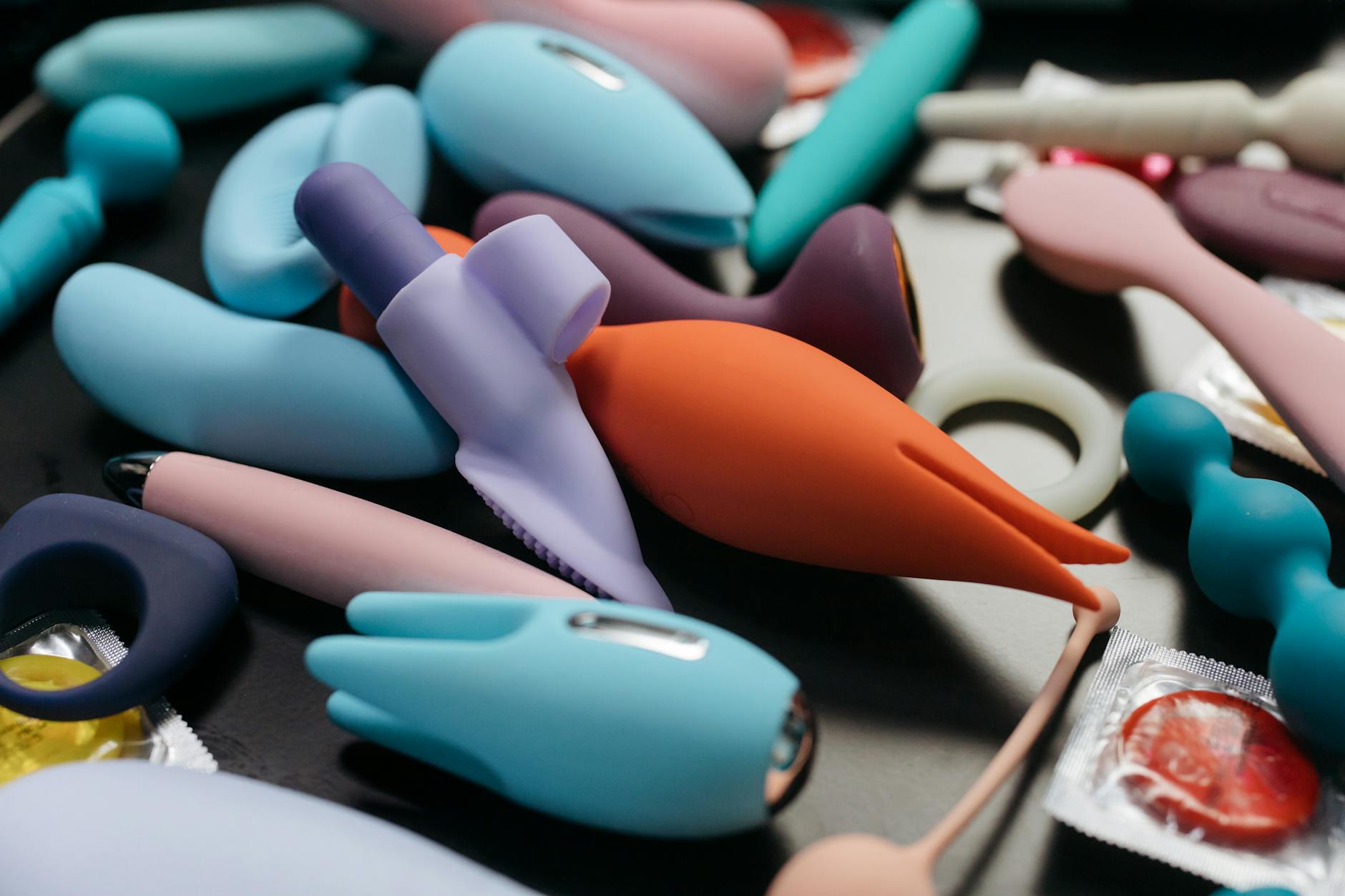 Photo by cottonbro studio on Pexels
The lemon clitoral vibrator becomes a tool for that choice. It's designed for precision, not just power. That design choice shifts the entire dynamic toward exploration instead of conquest.
When "slow" actually means "I'm not interested anymore"
One important clarification: if you slow down and realize you're just not aroused, that's different. That's not a speed problem. That's a mismatch problem, and it deserves its own conversation.
Slowing down reveals clarity. Sometimes that clarity is "oh wow, I love this when we're not rushed." Sometimes it's "actually, I don't want this at all." Both are useful information.
If you're consistently uninterested in sex even when given time and space, that might be worth exploring separately. Speed wasn't the problem. Something else is.
Specific patterns that help slow play
If you're using the lemon vibrator, start on pattern 1 or 2. These are gentler, which ironically helps because gentle sensation rewards staying present. If you rush, you lose the feeling. If you stay with it, you find complexity.
Pattern 3 is good for mid-arousal exploration. You can shift here once you're already engaged, not as a way to jumpstart engagement.
For many people, staying between patterns 1-3 throughout the entire experience keeps the nervous system in an exploratory mode rather than a climax-chasing mode. The goal is to notice what your body wants, not to hit a target intensity.
If you're partnered, hand control of the vibrator to your partner for a few minutes. Let them explore patterns and pressure without commentary from you. This separates the experience from performance because your partner isn't trying to make you come. They're just curious about what you respond to.
The pleasure shift that happens after
Three months in, something changes. Orgasms (if they still happen) feel different. More integrated. Less frantic. Some people report they're actually stronger because the arousal has time to build.
But here's what shifts even more: the sex you don't have time for anymore gets better. You're not forcing it. You're choosing it. And that choice is the difference between obligatory sex and actual desire.
Slowness isn't about duration. It's about reclaiming your nervous system from the pressure to perform. The lemon clitoral vibrator is useful because it's precise enough that it actually rewards attention. You can't zone out with it. You stay with your body. And that's where pleasure lives.
People also ask
Can using a lemon vibrator actually help me slow down, or will it encourage speed?
It depends on how you use it. If you treat the lemon vibrator as a tool to rush toward orgasm, it'll serve that purpose. But if you set boundaries (like "I'm only going to use patterns 1-2 today") and you have actual time available, the tool becomes a teacher. The suction-based stimulation in lemon sexual toys rewards presence. You can't feel it properly if you're rushing. That feedback loop is what changes the dynamic.
What if my partner thinks slow sex is boring?
That's often fear, not boredom. Partners worry that if sex slows down, they'll lose intensity or it'll feel passive. The opposite usually happens. Slow sex requires more presence from both people. It's actually more connected, not less. Frame it as an experiment: "Let's try 30 minutes of slow play and see what happens." Most partners discover it's more engaging once they try it. If they don't, that's a conversation you need to have separately about what you both want from sex.
How long does it take to stop feeling like slow sex is "wrong"?
About three weeks of consistent slow play before your nervous system starts believing this is normal. Your brain has spent years learning the speed pattern. Unlearning takes repetition. If you get impatient during week two and speed back up, you restart the clock. Stick with it for at least 21 days of solo practice before you expect partnered slow sex to feel natural.
Can I use a lemon vibrator if I've trained myself to orgasm very quickly?
Completely. Fast-trained bodies benefit most from lemon vibrators because the precision forces you to stay attentive. You're not just chasing intensity. You're tracking sensation. That's different work for your nervous system. Start on the lowest patterns and give yourself permission to explore without a timeline. The goal is to rewire "fast equals success" to "presence equals pleasure."
Is there a difference between slow and having trouble with arousal?
Yes. Slow is a choice about pacing when arousal is present. Trouble with arousal means arousal isn't building at all. If slow play doesn't feel good and arousal still isn't happening, you might be dealing with desire mismatch, medical factors, or emotional disconnection. That's a different conversation. Slow is a speed adjustment for people who can already feel pleasure but are racing through it.
What if my partner and I have different timelines even when we slow down?
Then the lemon vibrator becomes a bridge tool. Your partner can be involved in whatever pace they prefer while you're using the vibrator on your own timeline. You're not asking them to wait. You're not asking yourself to rush. You're just creating parallel experiences within the same encounter. That's actually the most realistic solution for couples with wildly different arousal timelines.
The real shift
Speed isn't the goal of good sex. Presence is. Your body knows the difference. The moment you stop watching the clock and start paying attention to sensation, everything changes. A lemon vibrator is just the tool that makes that attention possible. The rest is permission you give yourself.
If you want to explore this further or talk through what slow sex could look like in your specific situation, reach out. That's what I'm here for.