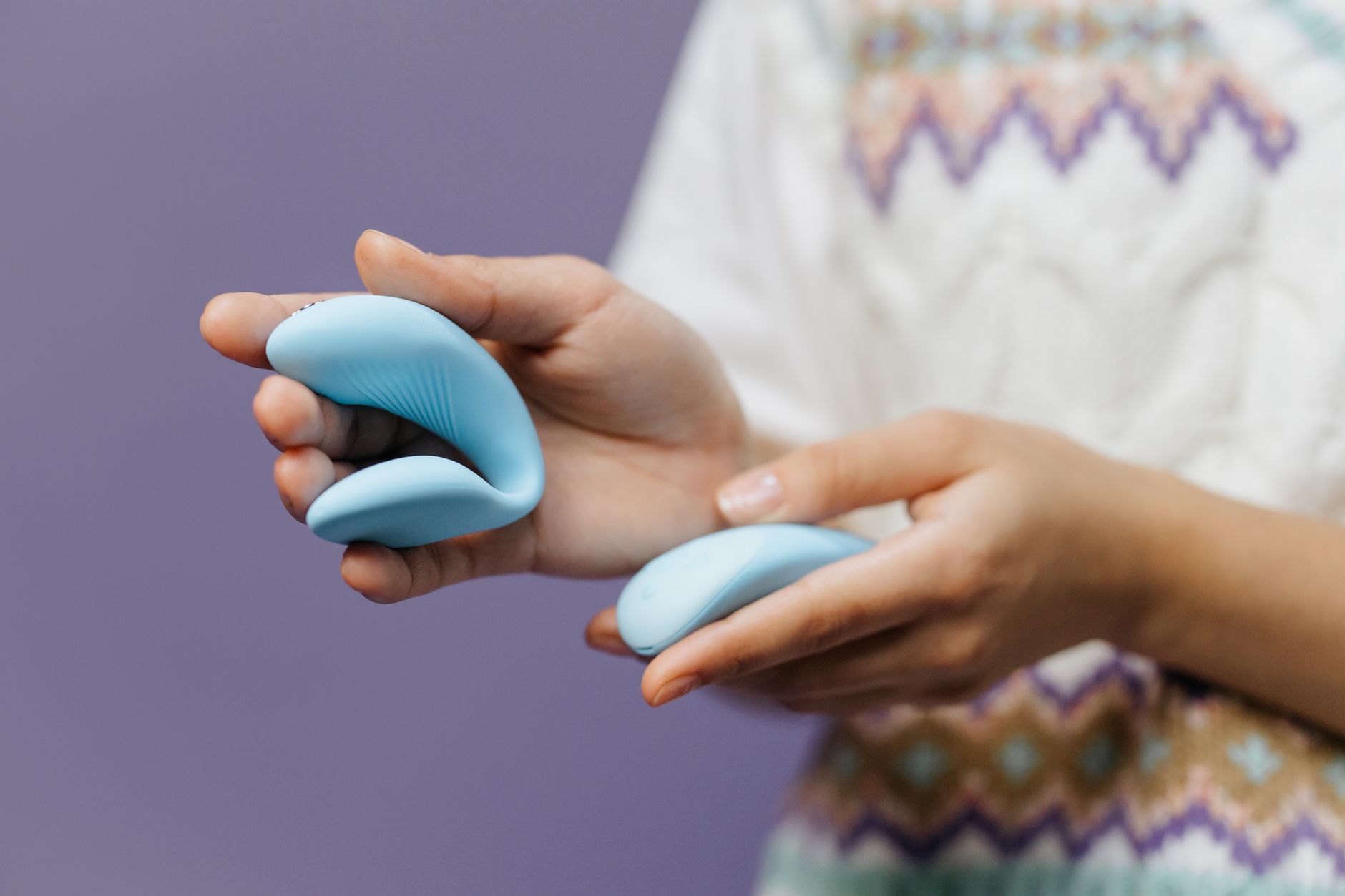
Let's be real about depression and desire
Depression doesn't just make you sad. It flattens everything, including the signals your body sends about wanting touch, pleasure, or sex. That's not laziness, and it's not disinterest in your partner or yourself. It's a neurological symptom. Your dopamine and serotonin have gone quiet, and with them, the motivation to seek sensation has dimmed.
Here's the thing though: the capacity for physical pleasure often survives depression. Your nerve endings haven't changed. Your clitoris still responds. What's missing is usually the initial spark to get there. That's where lemon vibrators come in. They're not a substitute for treatment, but they're a practical bridge when depression has stolen your desire.
Why depression mutes libido in the first place
Depression is a whole-body experience. It doesn't just affect your mood; it changes how your nervous system processes reward and motivation. The brain regions responsible for sexual desire, arousal, and orgasm all rely on dopamine and serotonin working properly. When depression dampens these neurotransmitters, the result is what researchers call "sexual anhedonia" — the inability to feel pleasure from normally pleasurable things.
This is especially true if you're on antidepressants, some of which reduce sexual function as a side effect. SSRIs, while genuinely helpful for managing depression, can lower libido and delay orgasm. You're caught between wanting to feel better emotionally and losing sensation physically. That conflict is real and frustrating.
But here's what matters: sensation and desire are not the same thing. You can feel pleasure without desire, and that matters for reconnection.
How lemon clitoral vibrators bypass the desire problem
A lemon vibrator works differently than your brain's reward system. It doesn't ask your motivation whether it's interested. It applies direct stimulation to thousands of nerve endings, creating sensation whether or not you're feeling the urge. This is why so many people with depression find that toys like the Lem work when solo pleasure otherwise feels impossible.
The suction-based design of lemon clitoral vibrators is particularly useful here. Air-suction stimulation doesn't require arousal-dependent lubrication or the kind of mental focus that traditional vibration might demand. You can turn it on and feel something immediately. There's no buildup needed. No performance pressure.
For people experiencing depression-related libido loss, this removes one major barrier: the shame around not wanting sex. You're not rejecting pleasure; your brain chemistry is. The vibrator meets your body where it actually is, not where you think it should be.
Starting when motivation is at zero
If depression has completely flattened your desire, the worst thing you can do is frame toy use as another task to accomplish. So forget that. Here's what actually works.
Set zero expectations. This isn't about reaching orgasm. This isn't even about feeling "turned on." It's about sensation. You're exploring whether your body can still feel, even if your mind isn't interested. That's the only goal.
Pick a time when you have five minutes of privacy and no distractions. Not when your partner is in another room. Not when you're thinking about other tasks. Actual solitude. Depression already makes focus impossible; don't fight it by adding background noise.
Start with the Lem on low, on the outside of the labia. Not directly on the clitoris yet. Just let your body register the sensation. If it feels annoying, turn it off. If it feels like literally nothing, that's okay too. Your nervous system might be too dampened to register pleasure right now. That's clinical, not personal.
Keep sessions under ten minutes. One of depression's cruelest tricks is turning pleasurable activities into exhausting obligations. You don't need a long session. A few minutes of sensation input is enough.
What to expect with depression and physical response
Honestly, you might not orgasm. Your body might respond slowly, or not at all. That's not failure. That's depression doing what depression does. The goal isn't to force pleasure; it's to keep the neural pathways open. To remind your body that sensation is possible.
Many people using lemon clitoral vibrators while depressed report a weird phenomenon: physical response that doesn't match emotional response. Your body might become aroused, even orgasm, while your mind feels nothing. That feels strange. It can also feel disconnecting, like you're watching your body from outside yourself.
That's actually fine. You're not broken. You're experiencing what happens when physical sensation and emotional state separate. Over time, as depression lifts and neurotransmitters rebalance, those often reconnect. The vibrator keeps your body in the loop while your brain chemistry catches up.
Depression, vibrators, and your relationship
If you have a partner, this is worth addressing directly, without shame. Many partners feel rejected when depression kills your libido, and they might push for sex as a way to feel close again. That's understandable and also not helpful.
Here's what I tell couples: solo exploration with a tool like a lemon vibrator is not cheating and not a rejection. It's self-care. It's your nervous system getting input it needs. It's separate from partnered sex, and it doesn't have to mean anything about how you feel about your partner.
If your partner wants to be involved, that's a different conversation. Some couples find that watching their partner use a toy while depressed feels intimate. Others find it adds pressure. Only you know. The point is that using lemon vibrators for depression-related libido loss doesn't require your partner's permission or participation, even if you're in a relationship.
When to add lubrication and intensity
If you've been using a vibrator consistently and your nervous system is starting to register sensation more clearly, you might want to introduce a water-based lubricant. Depression can cause vaginal dryness, especially if you're on antidepressants. Lubrication makes everything easier and reduces any friction-related discomfort.
Start with a small amount and see how your body responds. Some people find that lube helps them feel more sensation. Others find it distracting when they're already struggling to focus. Again, there's no rule. Your experience is the rule.
Increasing intensity follows the same logic. If low settings on the Lem feel like neutral sensation, you might try a higher pattern. But don't do this because you think you should. Do it only if your body is asking for more input.
The role of treatment alongside toy use
I want to be clear: a vibrator is not a replacement for therapy or medication. Depression requires professional treatment. A lemon clitoral vibrator is a tool that works alongside treatment, not instead of it.
If you're not in therapy, get there. If your antidepressant is crushing your libido and you've been suffering silently, talk to your prescriber. There are options: dosage adjustments, medication switches, or adding a medication that counters sexual side effects. You don't have to accept sexual anhedonia as the price of feeling less depressed overall.
The vibrator's job is to keep your body engaged while you're doing the harder work of treating the underlying depression.
FAQ
Will using a lemon vibrator make my depression worse?
No. Physical sensation and mood regulation are separate systems. Using a vibrator won't deepen depression. If anything, the small surge of oxytocin from stimulation can provide a micro-shift in your nervous system state. That said, if using a toy triggers shame or makes you feel worse about your body, pause and explore that separately with a therapist.
Can I use a lemon vibrator if I'm on SSRIs?
Absolutely. SSRIs often reduce orgasmic response, which means you might need more direct stimulation to reach orgasm. That's precisely what a high-quality clitoral vibrator is designed for. The stimulation bypasses the neurological dampening that SSRIs create.
Should I tell my partner I'm using a lemon vibrator for depression?
That depends on your relationship and how you feel about privacy. There's no obligation to disclose. It's your body and your self-care. If you choose to tell them, frame it as wellness, not as something your partner did wrong or can fix. This is about reconnecting you to your own sensation while you treat depression.
What if I feel nothing at all when I use a vibrator?
Your nervous system might be too dysregulated right now. That's a sign that depression is profound and you need professional support urgently. Keep the vibrator available for when things shift, but focus energy on therapy and your treatment plan. Sensation will return as your brain chemistry stabilizes.
Can a vibrator replace the motivation to initiate sex with my partner?
No, and that's okay. Depression kills initiatory desire. A vibrator helps you feel sensation, but it doesn't create the motivation to pursue partnered sex. Those are different issues. Solo exploration with a toy and partnered sex serve different functions. One doesn't replace the other.
How often should I use a lemon vibrator when depressed?
As often as feels right, which for depression usually means not often. You're not training your body; you're keeping the pathways open. Two or three times a week is plenty. Forcing daily use turns it into another chore, and depression has already made life feel like one long task list.
Moving forward
Depression is a real illness, and it affects every part of you, including sexuality. Using a lemon vibrator isn't about willpower or trying harder. It's about meeting your nervous system where it actually is and maintaining connection to your body while you heal. That's intelligent self-care, not a workaround.
If you want to talk about how pleasure and mental health intersect in your specific situation, reach out to our team. We're here to help you navigate this without judgment.