
Here's the thing about sensitive pleasure
If you've tried a standard vibrator and felt like the sensation was too sharp, too buzzy, or just wrong on your skin, you're not broken. Your body is telling you something real: not all stimulation works the same way for everyone. A lemon clitoral vibrator (also called a lemon sucker) works on an entirely different principle than traditional vibration, which is why it can feel like a completely different experience.
Let me walk you through the science, the materials, and whether this design might actually be what your nervous system has been asking for.
Why lemon vibrators feel different
Most vibrators work by shaking. Fast, rhythmic pulses that stimulate nerve endings through repeated friction. For some people, this is perfect. For others, it's overstimulating, creating a kind of white noise where individual sensation gets lost.
Lemon clitoral vibrators use suction instead. The opening gently pulls on the clitoral tissue, creating a rhythmic pressure wave that stimulates nerves without the same mechanical buzzing. It's less like tapping and more like a gentle tide. The sensation is concentrated but diffused in a way that feels warmer, rounder, less sharp.
That difference matters physically and psychologically. If you've been bracing against vibration for years, your pelvic floor knows it. Switching to a gentler mechanism can actually change how your body responds.
Material safety and skin sensitivity
Beyond the mechanism, the material itself makes a difference for sensitive skin. Hello Nancy's lemon clitoral vibrators are made from body-safe silicone, which means no phthalates, no porous materials that harbor bacteria, and nothing that degrades when you use water-based lube (which you should, always).
Silicone is non-reactive on sensitive skin in ways that some other plastics aren't. If you've had reactions to cheaper toys—itching, irritation, or that chemical smell that won't wash off—it was likely a phthalate issue. Body-safe silicone bypasses that entirely.
Clean between uses with warm water and mild soap or a toy cleaner. That's it. No special treatments needed.
The shape matters more than you think
The lemon design isn't just cute. The tapered shape means you can control exactly where the opening sits and how much tissue it's drawing. Unlike a wand vibrator that's the same width along its whole head, a lemon lets you find the exact spot that works, which is huge if you're sensitive.
Many people with sensitivity also have trigger spots—places on or around the clitoris that feel better or worse depending on the angle and pressure. A rounded, tapered shape lets you be more precise about what you're stimulating.
You can also use it more passively. Hold it against yourself and let the suction do the work, rather than grinding or moving it in specific patterns. That kind of stillness can feel less intense for people whose nervous systems need gentler input.
Starting slow with sensitivity in mind
If you're new to suction-based lemon vibrators, the impulse is to turn it on at medium or high right away. Don't. Start at the lowest setting and stay there for at least five minutes. Your body needs time to recognize what this sensation is and what it wants to do with it.
Sensitive pleasure sometimes requires what feels like patience. But what's actually happening is your nervous system is learning the pattern, your blood flow is increasing to the area, and your body is deciding whether to lean in or pull back. Rushing that process usually means you'll pull back out of habit.
Warm up first too. Arousal literally changes tissue thickness and responsiveness. A few minutes of whatever gets you interested—reading, a partner's touch, your own hands—makes the actual toy feel completely different.
What sensitive skin actually responds to
Here's something I tell couples I work with: sensitivity isn't a limitation. It's information. If something feels too sharp or too much, your body is telling you the input doesn't match your nervous system's bandwidth right now.
That can change. Stress decreases sensitivity. Arousal increases it. Certain medications, hormonal cycles, even whether you've eaten that day—all of it shifts how your skin reads sensation.
A lemon clitoral vibrator's gentler mechanism often works better across these variables because it's not fighting you. It's working with your body's own responsiveness rather than overpowering it.
Comparing lemon suction to other options
If you're trying to figure out whether a lemon vibrator makes sense for you, think about what's bothered you before. If traditional vibrators felt too intense or buzzy, suction-based toys usually feel immediately different. If you've had issues with material irritation, body-safe silicone solves that.
If you've never used a lemon vibrator and you're curious, consider starting with a smaller, quieter option rather than jumping to something with intense suction. Your body will tell you fast whether this mechanism works for your nervous system.
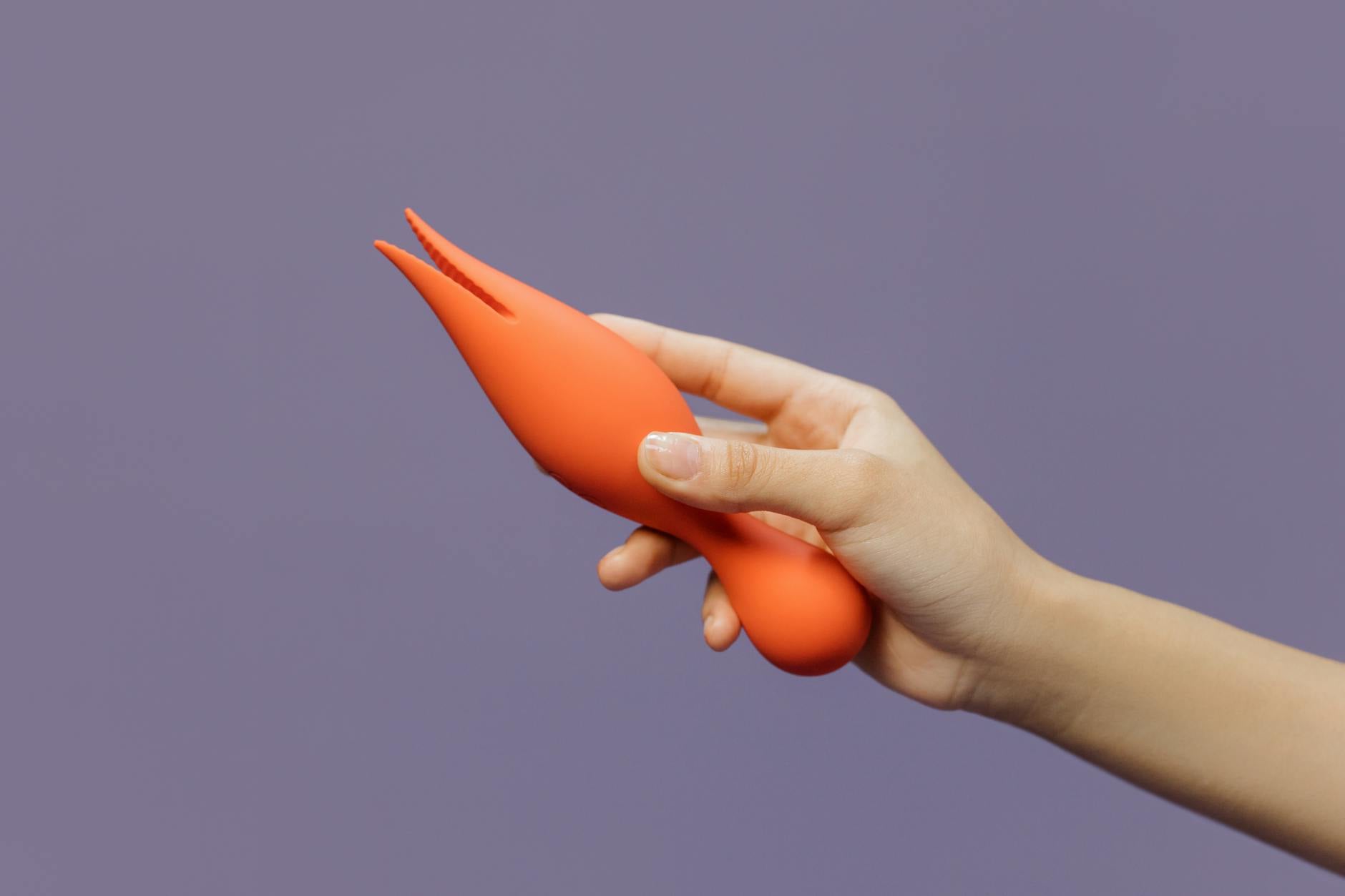
Photo by cottonbro studio on Pexels
Sensitivity and pleasure are not opposites
One more thing I want to be clear about: having sensitive skin or nervous system preferences is not the same as having low pleasure capacity. Some of the most orgasmic people I've worked with describe themselves as sensitive. The difference is they've learned what input works for their body, and they've stopped fighting against it.
A lemon clitoral vibrator is one of those tools that can help you do exactly that. Not because it's magic, but because it works with sensitivity rather than against it.
If you're exploring your own body or navigating this with a partner, that shift in approach—from fighting your sensitivity to working with it—changes everything.
Frequently asked questions
Can I use a lemon vibrator if I have extremely sensitive skin or a skin condition?
Maybe, but check with your dermatologist first if you have active irritation or a condition like lichen sclerosus. Body-safe silicone is the safest material, but any contact can trigger flare-ups in some cases. If you get the all-clear, start with the lowest setting and stop immediately if anything feels wrong. Sensitivity isn't a dealbreaker—it just means you need to approach it carefully.
Do lemon clitoral vibrators work through clothing?
Some do, but you'll get a muted sensation. Most people find them most effective with direct contact. If you want to explore while clothed, try wearing thin underwear rather than thick fabric. That said, the point of suction is the gentle pull on tissue—you get very little of that through layers.
How do I know if I'm sensitive or if I'm just anxious?
Truth is, sometimes it's both. Anxiety absolutely changes how your body feels sensation. If you notice that pleasure feels different depending on stress levels, how much you've slept, or how much you've eaten, that's your nervous system talking. A lemon vibrator's gentler approach can actually help you separate physical sensitivity from nervous system activation. Over time, you learn which is which.
Can I use a lemon vibrator if I have numbness from medication?
Yes, often better than traditional vibrators. Suction creates a different kind of stimulation that sometimes registers even when direct vibration feels numb. If you've lost sensation from an antidepressant or other medication, your doctor can sometimes adjust the dose or timing to help. In the meantime, a lemon clitoral vibrator is worth trying—the mechanism might work where buzz doesn't.
What's the difference between a lemon vibrator and other suction toys?
Shape and intensity, mainly. Lemon vibrators tend to be more tapered and smaller, which gives you control over placement. Some other suction toys are wider or have stronger pull. If you know you're sensitive, starting with a lemon design usually feels more approachable. You can always move to something more intense later.
Is it normal for pleasure to feel different at different times?
Completely normal. Your cycle, stress, sleep, how aroused you actually are, whether your pelvic floor is tense—all of it changes how sensation registers. A lemon vibrator's flexibility (different speeds, easy to move, gentle suction) makes it easier to work with those natural variations instead of fighting them.
The actual takeaway
Sensitive pleasure isn't something to fix. It's something to understand. A lemon clitoral vibrator works differently than traditional vibrators because it uses a mechanism that respects how your body reads sensation. If you've been avoiding toys because they felt too intense, or if you're curious about whether a different approach might work better, that's exactly what this design was built for.
Start slow. Pay attention to what your body actually tells you. And remember that knowing what doesn't work for you is just as valuable as finding what does.
If you want to learn more about choosing a toy that fits your body and preferences, explore our buying guide or reach out to us if you have specific questions about what might work for your situation.