Here's the thing about long-distance and pleasure
Long-distance relationships get a lot of messaging about sacrifice. Fewer hugs, fewer date nights, fewer intimate moments. But here's what nobody tells you: the absence of physical touch doesn't mean the absence of sexual intimacy. It means you get to redesign it.
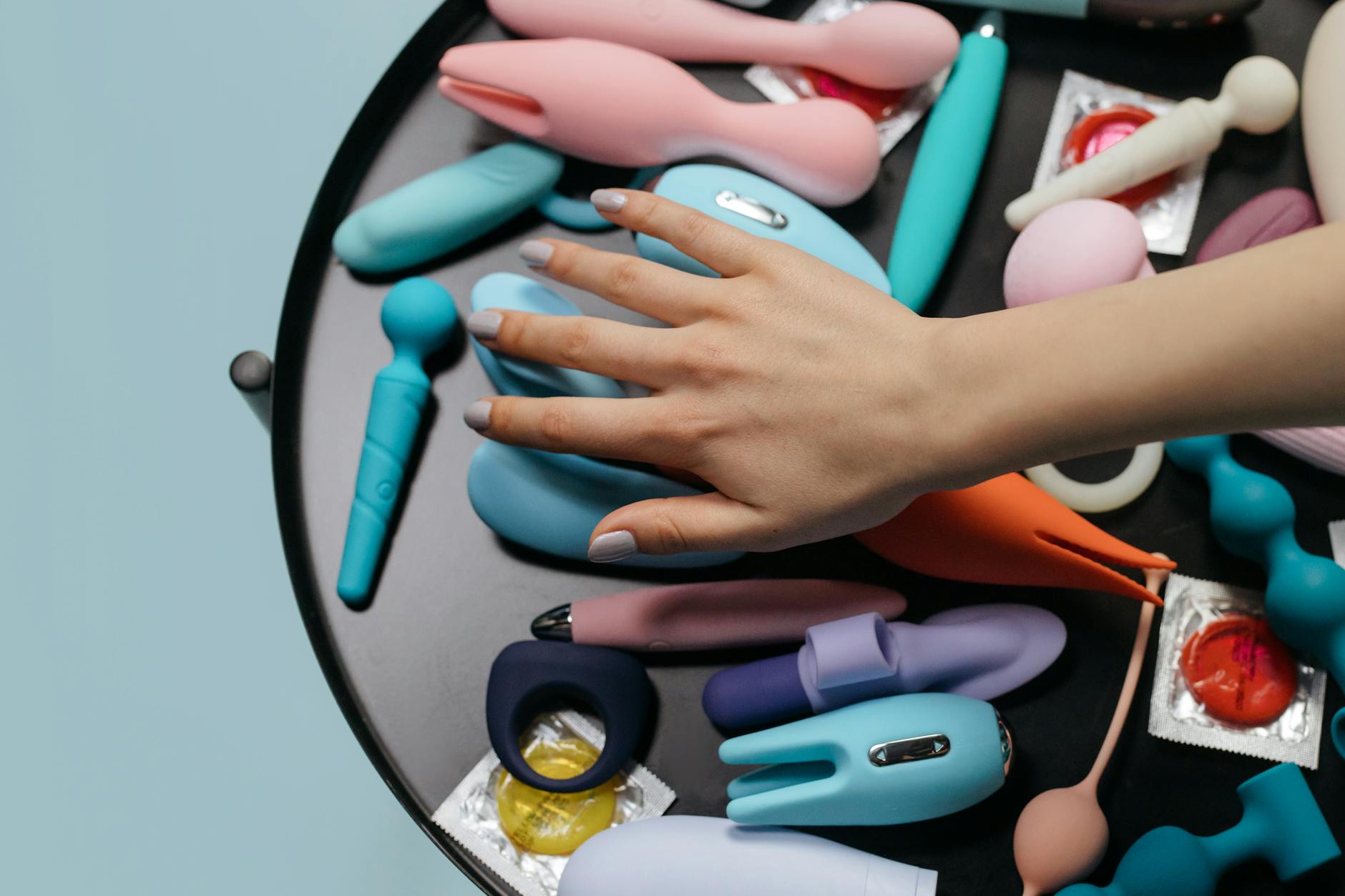
A lemon vibrator, or any clitoral vibrator really, becomes something different in a long-distance dynamic. It's not a solo experience. It becomes a shared one. The Pixie remote vibrator, for instance, was literally designed for this. But even a standard lemon clitoral vibrator changes the game when both partners understand how to use it together across the distance.
Why lemon vibrators work especially well for couples apart
Let's start with the practical bit. Most couples in long-distance situations use video calls. A lemon vibrator is quiet, responsive, and holds attention. Unlike some toys that require a ton of build-up or fidgeting, a good clitoral vibrator like the Lem gets straight to the point. That matters when you're coordinating arousal across two different spaces.
The suction-style design of a lemon vibrator also means faster arousal, which is huge when you're watching a clock. You're not waiting 20 minutes for things to build. You've got 15 minutes on a lunch break, or 30 minutes before kids come home, and a lemon clitoral vibrator gets you there.
Beyond mechanics, there's something psychological. Intimacy toys that are shaped, textured, intentional feel less mechanical. A lemon vibrator has personality. It feels like a thoughtful choice rather than a backup plan. That emotional layer matters as much as the physical one, especially when you're rebuilding closeness from a distance.
Setting up the tech without the awkwardness
Video sex with toys works best when you've agreed on basics first. This sounds unromantic, but it's the opposite. Having one conversation when you're clothed and sitting down means the actual intimate moment isn't interrupted by logistics.
Decide: Are you both video-only, or is one person in the room while the other is texting? Do you want both cameras on the whole time, or are certain moments private? What's the signal if someone needs to stop? Most couples who do this successfully have a text-based "ready?" moment first.
For lemon vibrators specifically, test the camera angle. Clitoral vibrators work best when the phone or laptop is positioned so you can actually see what's happening, but you don't have to be performing constantly. A phone propped on a pillow or nightstand works better than holding it in your hand.
Sound matters too. Lemon vibrators are quieter than most wand vibrators, but not silent. If privacy is limited, using headphones or keeping the volume low enough that only you hear it changes the dynamic. You're not hiding anything. You're just being practical.
The arousal pattern that actually works
Here's where couples often get it wrong with toys long-distance. They try to sync everything. She's supposed to orgasm at the same time he does. But that's not how bodies work, and it's especially not how bodies work when one person is holding a clitoral vibrator and the other isn't.
Instead, think of it as call-and-response. One person leads. They're describing what they're feeling, what they want, what's working. The other person is responding verbally, maybe moving, maybe also using a toy, maybe just being present. Then you switch. Most couples find one person takes pleasure while the other holds the space, and then they reverse.
With lemon vibrators, the person with the toy usually takes the lead. They control the intensity, the pattern, the pace. The other person can suggest ("try pattern three," "slower"), but the receiver makes the call. This matters because clitoral vibrators work best when someone's fully focused on their own sensation, not trying to perform or time themselves to someone else.
Building arousal together takes longer when you're apart. Budget 25-40 minutes if you want it to feel intimate, not rushed. Dirty talk, reminiscing about the last time you were together, describing what you want to do next time. The vibrator is one part of it, not the whole thing.
What to do when the connection drops (literally)
Wifi fails. Calls freeze. Someone's roommate knocks on the door. Long-distance intimate moments aren't protected from real life interrupting. This is worth planning for.
Most couples decide: if the connection drops, we wait and try again. Don't keep going solo. The whole point is connection. A few minutes later usually works fine.
If someone's using a lemon vibrator and the call drops, they're not stuck with anything running. Unlike some remote-controlled toys, basic vibrators just stop. Reset, reconnect, try again. It's honestly less awkward than it sounds the third time it happens.
Some couples who do this regularly actually set a backup plan: if we lose connection, check in by text in two minutes. Keeps the mood but gives grace for tech failing. You're managing intimacy with another person across distance, through wifi. Some friction is inevitable. Expecting it makes it less disruptive.
The emotional part that matters more than the physical
I've worked with dozens of long-distance couples, and the ones who keep genuine intimacy alive aren't the ones with the fanciest toys. They're the ones who use whatever tools they have as a reason to be intentional.
A lemon clitoral vibrator or any intimacy toy becomes an anchor. It's a signal: "I'm making time for us. I'm thinking about my own pleasure, which is something I share with you." That's radically different from how many people approach their sexuality when coupled long-distance. Lots of people put pleasure on hold entirely.
When you're using a lemon vibrator together across distance, you're saying: this matters. We matter. Our sexual connection matters enough to coordinate schedules, test equipment, have awkward conversations about angles and sound. That's intimacy in its truest form.
It also means, paradoxically, that solo pleasure becomes couple pleasure. If your partner knows you're using a clitoral vibrator to pleasure yourself, and you're texting them about it, that's shared intimacy. Some couples find that's more accessible than scheduled video sex. A five-minute exchange during a workday, a photo sent later. The toy is the bridge.
When a lemon vibrator isn't enough (and what to add)
Some couples find they want more. A vibrator creates sensation, but not all kinds of sensation. Some people want penetration alongside clitoral stimulation. Others want to feel their partner's touch through a long-distance device. That's where toys like the Lolly Mini Wand or other lemon clitoral vibrators become part of a bigger toolkit.
What I tell clients is: start with one good toy that you both understand. Learn how to use it together. Then, if you want to expand, you expand. Trying to juggle three toys and an app on your first long-distance intimate moment is frustrating, not sexy.
The lemon vibrator is the foundation because it's straightforward. Quiet, responsive, effective. Once you've built comfort and routine there, adding something else is easier.
FAQ: Long-distance lemon vibrators and what you're actually wondering
What's the best vibrator for long-distance couples?
A quiet, responsive toy that one partner can control independently works best. The Pixie remote vibrator was designed for this, but even a standard lemon clitoral vibrator with good patterns gives couples enough to work with. What matters more than the specific toy is that both partners understand how to use it and feel comfortable.
Do I need a special app-controlled vibrator for this to work?
Not necessarily. Video calls work fine with any clitoral vibrator. The app-controlled toys offer convenience if you're in different time zones or want more spontaneity, but plenty of couples have rich intimate lives using basic lemon vibrators over video. The technology isn't the magic. The intentionality is.
How do we handle privacy and sound if we live with other people?
Most couples in this situation use headphones, keep volume low, and choose time windows when they have privacy. A lemon vibrator is quieter than most wand vibrators, which helps. Some couples also schedule intimate time for when housemates are out, rather than trying to hide. That takes pressure off and actually creates better intimacy.
What if we're in really different time zones?
That's where asynchronous intimacy comes in. One person records a video or voice message. The other watches or listens and responds, maybe with their lemon vibrator, maybe without. It's not simultaneous, but it's still shared. Some couples find they like this better than live calls. Less pressure, more presence.
How do we know if this is working for our relationship?
You should feel closer afterward, not more frustrated. If long-distance intimate moments feel like an obligation or make you feel lonelier, pause. This works best when both partners want it and feel good about it. A lemon vibrator is a tool, not a fix. It works inside a relationship that's already communicating and committed.
Is it okay to do this solo and just tell my partner about it later?
That depends on your relationship agreements. Some couples love asynchronous sharing. Others prefer simultaneous connection. There's no right answer. What matters is that you've talked about it first. A clitoral vibrator used solo is totally normal. A clitoral vibrator in a relationship context works best when you're both aligned on what that means.
What actually bridges the distance
Long-distance relationships don't end when you're apart. They just change shape. A lemon vibrator, or any intimacy toy, is a way of saying: I'm still thinking about this. About us. About my own pleasure, which involves you.
The couples who stay connected across distance aren't the ones with the most sophisticated setup. They're the ones who got comfortable with awkwardness, who made time, who didn't let absence become abandonment. A lemon clitoral vibrator can be part of that, or it might not be. But if it is, it works best when it's just one way you're staying close.