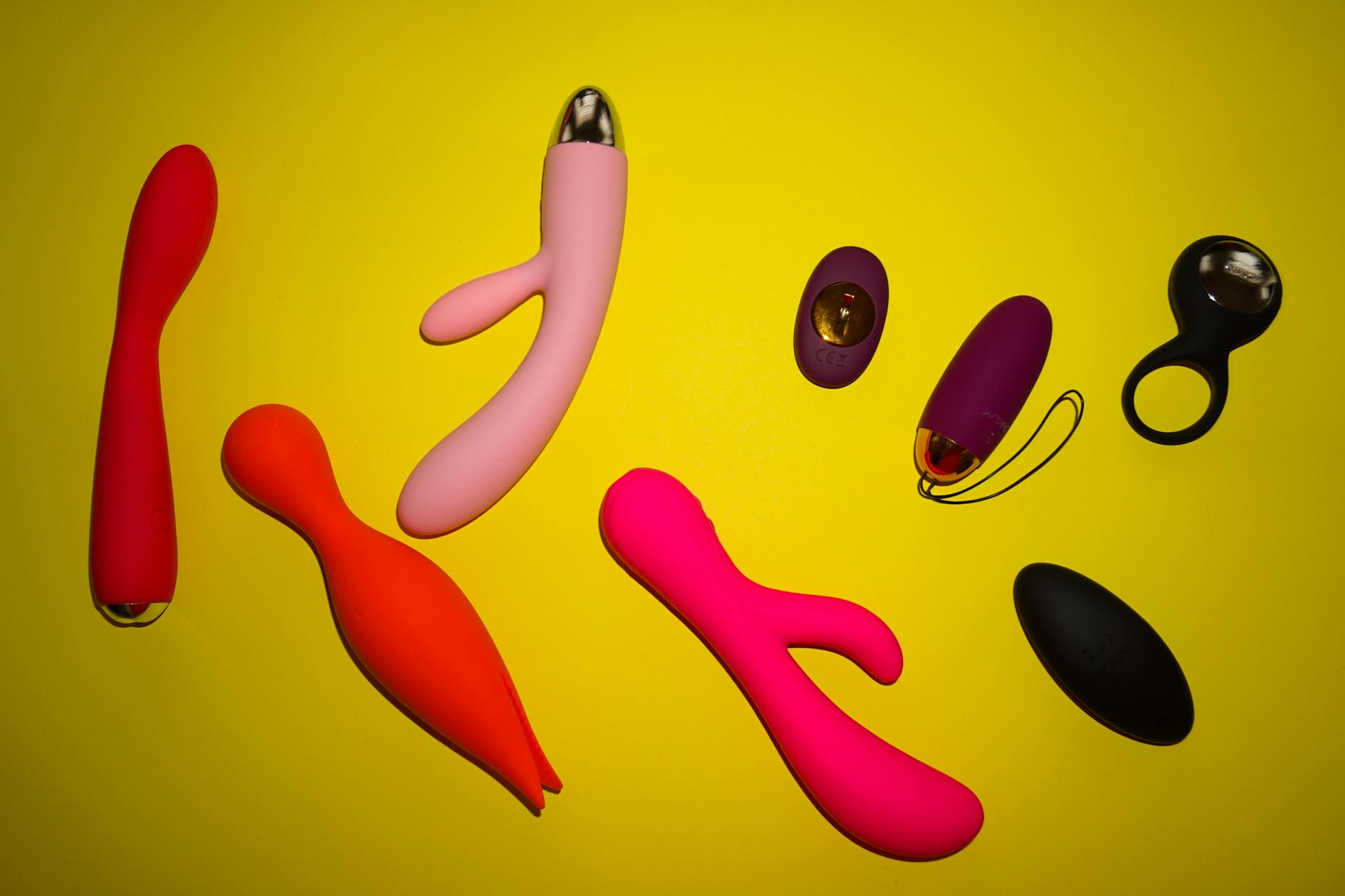
How to Use a Lemon Vibrator With Your Partner
Here's the thing: the hardest part isn't the lemon vibrator itself. It's the conversation before you even open the box.
Most couples who introduce a clitoral vibrator into their sex life do so because one person wants it but worries the other will feel threatened, replaced, or like they're somehow not enough. And most partners, when asked, are relieved someone finally brought it up.
I've worked with hundreds of couples navigating this transition. The ones who make it work do one thing differently: they separate the vibrator conversation from the relationship conversation. One is about a tool. The other is about desire and connection. Mixing them guarantees confusion.
The setup conversation (do this before you buy)
Let's be direct: you're not asking permission. You're sharing information and building agreement.
Start somewhere low-stakes. Not in bed, not in a moment of vulnerability, and definitely not during sex. Pick a regular Tuesday evening with tea or while you're doing something else. Casual proximity helps.
Try opening like this: "I've been thinking about trying something new in bed. I'd like to explore using a vibrator, specifically a lemon vibrator because they're designed for clitoral stimulation without needing intense pressure. I'd love to do this with you, and I want to make sure we're on the same page before anything happens."
Then stop talking. Let them respond.
What you're listening for isn't enthusiasm. It's curiosity or willingness. "Oh interesting, tell me more" is a yes. "I'm not sure" is workable. "Absolutely not" is information you need, and honestly, that conversation belongs to a different discussion about sexual compatibility that might involve a therapist.
If your partner asks "Why?" answer truthfully: "Because I want to explore what feels good. Because I think it could be fun for us together. Because I'm curious." All of those are real.
If they ask "Does that mean you're not satisfied?" answer directly: "No, it means I want to add something. Like trying a new restaurant doesn't mean I stopped loving the one we always go to."
The logistics (positioning, timing, comfort)
Once you've agreed to try this, the next conversation is purely practical.
First: when. Some couples integrate vibrators into their existing rhythm. Others use them as the main event. There's no right answer. Ask: "When does this feel right to you?" Maybe it's foreplay. Maybe it's the whole experience. Maybe it's "let's try it and see what happens."
Second: what does your partner want to do? This is crucial. Some partners want to hold the lemon vibrator. Some want to use it on their partner and watch the response. Some want to use it on themselves while their partner is inside them. Some want to use it while their partner watches. All of these are different experiences.
The beautiful part: a lemon sucker like the Lemon (the clitoral vibrator from Hello Nancy) works brilliantly for all of those because the design is simple. It's not bulky. It doesn't get in the way. It doesn't look scary sitting on your nightstand.
Third: logistics. Where do you keep it? In a drawer? A nightstand? This might seem small, but having it accessible without it being the first thing you see changes the energy. You want it available, not central.
Fourth: cleanup. Silicone toys need water and a gentle cleanser. Have that ready so neither of you is awkwardly managing it mid-intimacy.
The physical experience (what actually happens)
Okay, so you have a lemon vibrator, you've talked, and now you're in bed.
Start without it. Spend 15 minutes on foreplay exactly as you normally would. The goal here is for the receiving partner to be genuinely aroused before the vibrator comes anywhere near. This matters because clitoral vibrators work best when blood flow is already increasing.
If your partner is using the vibrator on you: introduce it slowly. Start at the lowest setting. Let them position it against your clitoris and hold it still for a few seconds. You'll feel the micro-suction if it's designed well (which lemon vibrators are). Then let them experiment with small movements. Circles. Up and down. Pressure against the hood versus direct contact.
Talk while this is happening. Not dirty talk necessarily, just communication: "A little higher," "That's good," "More pressure," "Lighter." Your partner wants to know what's working. Keeping them guessing is less fun for everyone.
If you're using the vibrator on yourself while your partner is present: that's a solo activity with an audience. Some partners find this hot. Some find it confusing because they feel like they're watching instead of participating. Check in about this beforehand. "I'd like to use it on myself while you're here" is different from "I want to use it together" and both are valid.
If your partner is inside you and you're using the vibrator: this is my most commonly asked scenario from couples. The vibrator + penetration combination is genuinely intense for many people. Start with your partner mostly still while you control the vibrator. Once you both understand the rhythm, your partner can move, but not at the same frequency as the vibrator. Offset the timing or you'll both lose the plot.
The emotional part (what actually matters)
Here's what I've learned from years of couples work: the vibrator isn't the issue. How you feel about the vibrator is.
If you're the one who wanted it, watch for the urge to reassure your partner constantly. "You're still amazing," "Nothing has changed," "I still love you." That language accidentally reinforces the fear that something's wrong. Instead, try: "This is fun," "I like this," "Let's keep exploring."
If you're the partner who was hesitant, notice if you're waiting for the other person to feel amazing so you can feel less worried. That puts a lot of pressure on your partner's orgasm. Instead, focus on the experience for you. Are you enjoying this? Does this feel intimate? What's your pleasure in this moment?
The couples I've worked with who have the most fun with lemon vibrators are the ones who treat it like they're on the same team. "We're trying something new together" beats "I want this and I hope you're okay with it."
Troubleshooting: what if it feels weird
Maybe the vibrator doesn't fit the way you thought. Maybe the sensation is too intense or too light. Maybe your partner feels awkward holding it. Maybe you came faster than expected and now there's an emotional dump about feeling vulnerable.
All of that is normal.
If the physical sensation isn't working: try a different pattern, different pressure, different position. Most lemon clitoral vibrators have multiple settings. Spend time exploring them without the pressure of it leading anywhere. This is research, not failure.
If the emotional piece is heavy: pause. Sit with each other. Ask, "What came up for you?" Sometimes trying something new sexually surfaces feelings about intimacy, control, or safety that belong in a conversation or with a therapist, not in the bedroom.
If one partner feels left out: try switching roles. If your partner was using the vibrator, you use it. If you were receiving, you give. Reciprocity changes the dynamic significantly.
When to loop in professional support
If you've tried multiple times and sex has become a source of conflict rather than connection, that's a sign to talk to a sex therapist or couples counselor. There's nothing wrong with needing support. Sometimes the vibrator is a symptom, not the problem. Sometimes the problem is real and fixable with outside guidance.
In my experience, couples who name the hard stuff early "I'm worried about this," "I feel insecure," "I'm excited but nervous" handle the practical integration so much more smoothly. The clitoral vibrator becomes a tool in service of something you both want: pleasure, exploration, and deeper intimacy.
FAQ: what people actually ask
How do you introduce a vibrator without it seeming like you're rejecting your partner?
Frame it as addition, not replacement. "I want to explore this with you" is different from "I need this because something's missing." The first is collaborative. The second creates defensiveness. Also, action beats explanation. Talking about it in the abstract is harder than experiencing it together and seeing that everything's still there.
What if my partner thinks I bought it because I'm not satisfied?
Answer honestly and quickly. "I bought it because I'm curious about what feels good to me. That's different from being unsatisfied with you." Then move forward. Reassurance becomes a trap if you keep circling the question. One clear answer, then action.
Can we use a lemon vibrator if we haven't had sex in a while?
Absolutely, but maybe don't start there. Use it as a way to ease back in together. The pressure is lower if you're exploring something new rather than trying to recreate what used to happen. A new tool actually takes the weight off "we need to have good sex again."
What if one of us wants to use it and the other really doesn't?
Then you have a mismatch in sexual desire or curiosity, which is real and worth addressing. That's a conversation for a therapist or couples counselor, not for me to solve in a blog post. But the vibrator isn't the issue. The issue is that you want different things, and that's solvable if both of you want it to be.
Is it weird if my partner wants to watch me use it on myself?
Nope. That's a common fantasy and it's hot for a lot of people. If you're comfortable with it, go for it. If you're not, say so. The only "weird" is pressuring someone into something they've explicitly said no to.
How do you keep it from becoming routine or boring?
Experiment. Different settings, different positions, different timing in your sexual routine. Use it sometimes as foreplay, sometimes as the main event. Sometimes while your partner is engaged, sometimes solo. The beauty of a lemon vibrator is how simple it is, which means the variables are all about you and your partner, not the toy.
The real takeaway
A lemon vibrator isn't a threat to your relationship. It's a conversation starter if you let it be. The couples who integrate vibrators successfully aren't more adventurous or more connected than anyone else. They just talk clearly, set expectations, and stay curious about what feels good.
Your partner won't feel replaced. Your intimacy won't disappear. What might happen is that you both discover something about pleasure you hadn't explored before. And in a long-term relationship, that's worth the awkward conversation on Tuesday night.
Ready to take the conversation from theory to practice? Reach out to Hello Nancy if you want to talk through what might work best for your situation. Or start with our complete guide to lemon vibrators if you need the basics first.
The rest is just you and your partner, a little curiosity, and a tool designed to help you both feel good. That's it.