The postpartum body is not the same body. That's okay.
Let's be real. Nobody tells you that your clitoris might feel numb after giving birth. Nobody warns you that orgasms might feel weaker, or that the kind of touch that used to work might feel uncomfortable now. The postpartum period is sold as this golden bonding time with your baby, and it is. But it's also a time when your body has gone through a massive physical event and everything down there is fundamentally rewired.
I've worked with hundreds of people navigating postpartum intimacy, and the most common thing I hear is: "I feel broken." You're not broken. Your nervous system is recovering. Your pelvic floor is healing. Your hormones are in flux. And yes, sensation changes. But sensation change isn't permanent, and it's not insurmountable.
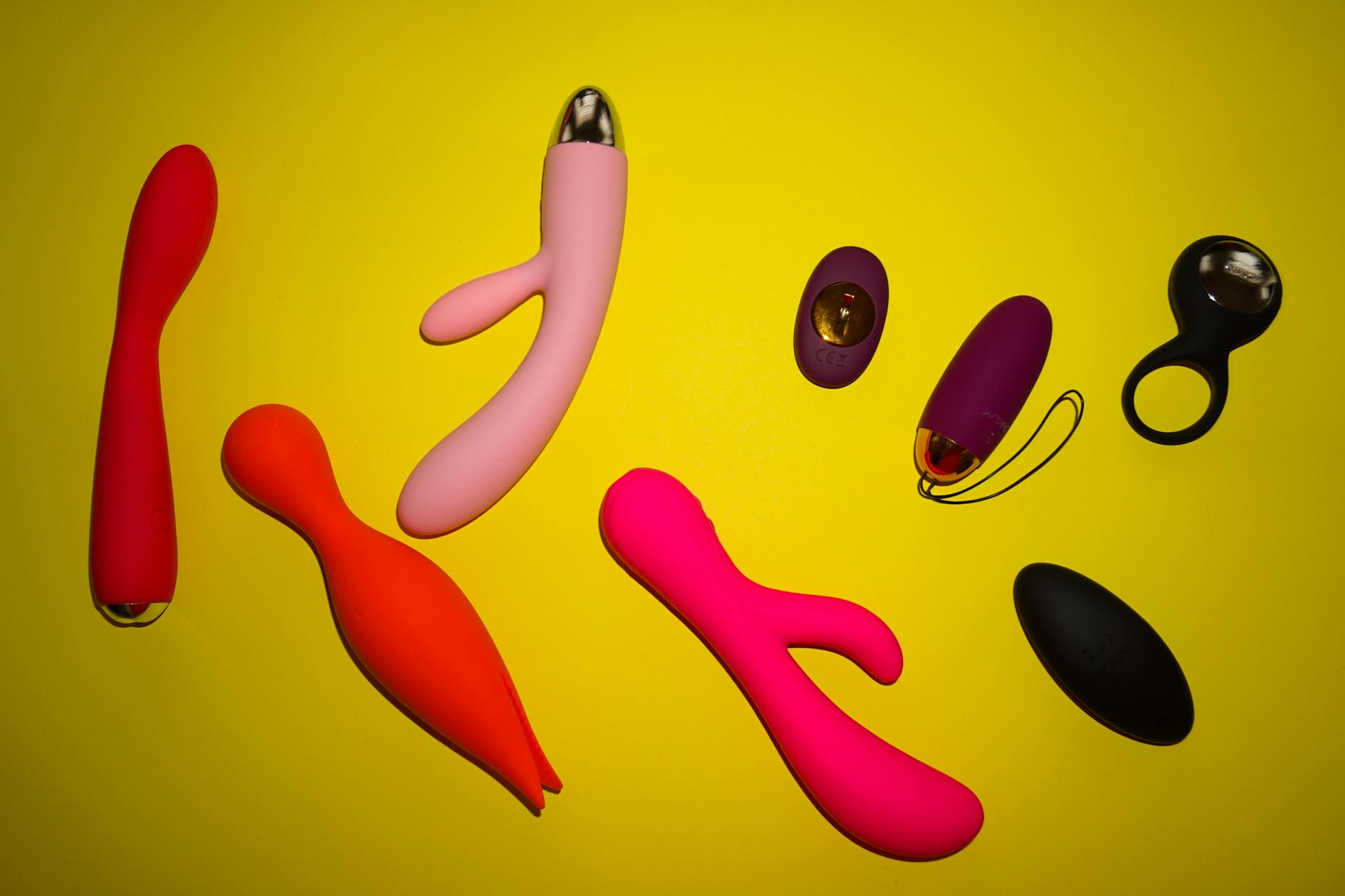
A lemon vibrator can be a game-changer during this recovery phase, not because it fixes anything, but because it gently reintroduces sensation in a way that respects your healing body.
What actually happens to sensation postpartum
Think of the postpartum body like a dimmer switch that's been turned down. The nerves are still there, but signal strength is lower. This happens for three reasons.
First, swelling. Whether you had a vaginal birth or a cesarean, tissue inflammation is part of the healing process. Swollen tissue means less direct nerve contact, which means sensation feels duller. Second, hormones. Estrogen drops dramatically after birth, especially if you're breastfeeding. Lower estrogen means thinner tissue and less blood flow to the clitoris, which changes how it responds to touch. Third, your nervous system is literally in survival mode. You've just experienced a major physical trauma (yes, birth is a controlled trauma). Your body is diverting all its resources to healing and milk production. Pleasure is not on the priority list.
Here's what's important: none of this is permanent. Swelling resolves in 2-6 weeks (for most people). Hormones stabilize over months, not years. Your nervous system recalibrates. The sensation will return. It just needs time and the right kind of stimulation.
Why a lemon vibrator is different postpartum
A lemon clitoral vibrator works differently than a traditional vibrator, and that matters when your body is healing. Instead of direct vibration, it uses gentle suction and pulse patterns that stimulate without harsh friction. For postpartum bodies especially, this is crucial.
Direct vibration on sensitive, swollen tissue can feel overwhelming or even painful. Suction is gentler. It creates a rhythmic pressure that wakes up the nerves without aggressive stimulation. If you're six weeks postpartum and cleared by your doctor for sexual activity (important: get that clearance), a lemon vibrator gives you a way to gently explore sensation again without feeling like you're trying to recreate pre-baby sex.
It's also noncommittal. You're not trying to have an orgasm. You're not performing for a partner. You're just reconnecting with a part of your body that feels unfamiliar right now. That's a completely different intention, and a lem vibrator respects that.
The reintroduction protocol
If you've been cleared for sexual activity and you want to use a lemon vibrator to help with postpartum recovery, here's how I recommend approaching it.
Start alone. This is nonnegotiable. Your first priority is relearning what your body feels like to you, not performing pleasure for anyone else. Solo exploration takes pressure off, which helps your nervous system actually relax.
Timeline matters. Six weeks postpartum is the medical clearance threshold, but emotionally, you might not be ready until week 10 or 12. That's fine. There's no schedule here. When you are ready, start with just 10 minutes. Use setting 1 or 2 on the lemon vibrator, the gentlest options. The goal isn't orgasm. It's sensation.
Lubrication is essential. Postpartum tissues are drier than pre-baby tissues, especially if you're breastfeeding. Use a water-based lubricant generously. This isn't about something being wrong with you. It's about working with your current hormonal reality.
Warm up your nervous system first. Spend 5-10 minutes just touching yourself. Non-sexual touch. Thighs, belly, breasts. This signals to your nervous system that it's safe to experience sensation, which sounds woo but is actually neurological. A calm nervous system is a nervous system that can feel.
When to involve your partner (if you want to)
Many people ask whether they should use a lemon vibrator alone first or introduce it with their partner. The honest answer is: it depends on your relationship and your comfort level.
If your relationship has a lot of unspoken resentment about the divide between baby care and partnership, bringing a vibrator into the bedroom won't fix that. Have the conversation first. Talk about how postpartum recovery feels different. Talk about the fact that you might not have orgasms for a while, or they might feel different. Talk about the fact that your body is not currently your own after being a literal food source for weeks.
If your relationship is solid and you want to reconnect physically, using a lemon vibrator together can actually be really intimate. It removes the pressure of performance. It gives you both permission to focus on reconnecting rather than "making sex work." Your partner can watch, can help apply lubricant, can be present while you explore what feels good. This is partnership, not performance.
The emotional part (which is bigger than the physical part)
Here's what nobody talks about: the postpartum body grief is real. You've spent nine months watching your body change in ways you couldn't control. You've given birth. You might be breastfeeding, which means your body still doesn't feel entirely yours. Your partner might be touching you, but your body might feel touched out. Your clitoris might feel like it belongs to a stranger.
Using a lemon vibrator isn't just about rebuilding physical sensation. It's about reclaiming your body as a source of pleasure again, not just function. This matters. This is how you start to integrate the person you were before birth with the person you are now.
Some people find that this reconnection happens quickly. Others take months. Some people realize they need more support from a pelvic floor physical therapist or a therapist who specializes in postpartum mental health. All of these paths are normal.
Common obstacles and how to navigate them
"I feel guilty for focusing on my pleasure when the baby needs so much." Your pleasure is not selfish. It's maintenance. You maintain your body by eating and sleeping. You maintain your mental health by moving and connecting. You maintain your relationship with your partner by staying intimate. These aren't luxuries. They're load-bearing walls of a functional life.
"My partner wants sex before I'm ready." This is a conversation, not a problem to solve with a vibrator. You need to say: "I'm not ready yet, and using a vibrator alone is helping me reconnect with my body. I want to reconnect with you, but on a timeline that works for my healing." If your partner can't respect that, that's bigger than postpartum recovery.
"I've been cleared but it still hurts." Don't push through pain. Talk to your doctor about pelvic floor physical therapy. Sometimes postpartum pain isn't about tissue healing. It's about muscle tension. A pelvic floor PT can help you distinguish between healing discomfort and actual pain that needs intervention.
"I still can't feel much." Numbed sensation can persist for months postpartum, especially if you're breastfeeding or experiencing postpartum depression (which dampens sensation). This is not permanent. But it might mean that now isn't the time for a lemon vibrator. That's okay. Try again in four weeks.
The reconnection piece with your partner
If you're in a committed relationship, using a lemon vibrator during postpartum recovery can actually be the opening for a bigger conversation about intimacy. Not sex. Intimacy. The thing that got buried under hospital gowns, sleep deprivation, and the overwhelming logistics of keeping a human alive.
When you're ready to involve your partner, here's what I recommend. Tell them what you're exploring and why. Use a lemon vibrator together without the goal of orgasm or traditional sex. Just reconnect. Touch each other. Remember what pleasure feels like when you're not exhausted and touched out.
Then, expand from there. Maybe that becomes foreplay. Maybe it becomes something different entirely. The point is that you're building a new version of intimacy that fits your current life, not trying to resurrect the old version.
When to seek additional support
If you're three months postpartum and sensation still hasn't returned significantly, or if using a lemon vibrator triggers pain or emotional distress, talk to someone. Your OB-GYN, a pelvic floor physical therapist, or a sex therapist trained in postpartum recovery. These aren't signs of failure. They're signs that you need more targeted support.
Postpartum depression and anxiety also flatten sensation. If you're experiencing those, healing pleasure-wise might look different. Therapy first. Sensation work second. Both matter, but the emotional piece has to be addressed.
You get to rebuild this slowly
Postpartum recovery isn't a race. Your body didn't go back to normal at six weeks, and neither did your pleasure. But that doesn't mean it's lost. It means you get to rebuild it on your own terms. With a lemon vibrator, you have a tool that meets your healing body where it actually is, not where you think it should be. That's a start.
People also ask
How long after birth can I use a lemon vibrator?
Most doctors clear people for penetrative sex and genital stimulation at six weeks postpartum, assuming you don't have complications like unhealed tears or infection. But medical clearance and emotional readiness are different things. I've worked with people who were cleared at six weeks and didn't feel ready until three months. That's normal. Your body will tell you when it's ready. Listen to it.
Will using a lemon vibrator help me orgasm again if I can't orgasm postpartum?
A lemon vibrator can help rebuild sensation, but it's not a magic wand. Sometimes postpartum difficulty with orgasm is physical (hormones, tissue changes). Sometimes it's emotional (touched out, resentful, depressed). Sometimes it's both. A vibrator addresses the physical part. If the issue is emotional or hormonal, you might need other support too. A pelvic floor PT or therapist who specializes in postpartum recovery can help you figure out which is which.
Can I use a lemon vibrator if I had a cesarean?
Yes, absolutely. Cesarean birth is still birth, and your body still goes through postpartum recovery. Your incision needs to be fully healed and you need medical clearance, but after that, using a lemon vibrator is exactly as safe as it is for anyone postpartum. The recovery timeline might be slightly longer because you're healing from abdominal surgery in addition to hormonal shifts, but the principle is the same.
Is it normal for a lemon vibrator to feel overwhelming postpartum?
Completely. Postpartum sensation is unpredictable. What feels gentle one day might feel overwhelming the next. Your nervous system is still recalibrating. If a lemon vibrator feels like too much, step back for a few days and try again. Try lower settings. Try shorter sessions. Or try a different kind of stimulation entirely. Your body's job is to tell you what it needs, not to perform for a vibrator.
Should I tell my partner I'm using a lemon vibrator postpartum?
If you're in a committed relationship, yes, I recommend it. Not as a confession, but as information. Something like: "I'm starting to feel ready to reconnect with my body, and I'm using a lemon vibrator to help with that. I want to involve you when I'm ready." This builds trust and removes the secrecy that can create distance. If you're not comfortable telling your partner, that's also important information about what's happening in your relationship.
What if my partner wants to use the lemon vibrator with me but I'm not ready?
You get to say no. Your body, your timeline. If your partner is pushing for intimacy before you're ready, that's a boundary conversation that needs to happen outside the bedroom. A therapist or couples counselor can help if it's hard to have that talk alone.