Why long-term couples need a different approach to pleasure
Honestly, the couples I work with rarely bring up vibrators in our first sessions about sexual disconnection. They mention schedules. Work stress. Resentment about dishes. The fact that their partner doesn't listen anymore. Sex becomes another task on a list that's already too long.
But here's the thing. Once we untangle the emotional stuff and they actually want to reconnect physically, something's changed. The spontaneity that worked in year two feels forced now. The 20-minute quickie doesn't build the same intensity it used to. And trying to replicate what worked before just underscores how different both of you are.
That's where lemon vibrators shift the dynamic completely. Not because they're magic, but because they interrupt the old pattern and create something new to build from.
The pleasure plateau is real (and it's not a problem)
Research on long-term relationships shows that novelty-driven pleasure naturally decreases after the first 2-3 years. Your brain literally stops firing dopamine at the same rate when something becomes familiar. This is neurobiology, not a sign your relationship is dying.
What most couples don't know is that pleasure doesn't disappear. It transforms. Instead of novelty excitement, couples who stay connected develop something deeper. Responsive pleasure. The kind that builds because you know your partner's body and your partner knows yours. It's slower to ignite, but it's also more intense and more available to exploration.
But you have to actually shift your approach to access it. You can't keep using the same rhythm, the same positions, the same speed. Your nervous system has already adapted to those signals. A lemon clitoral vibrator introduces a stimulus your body hasn't habituated to yet. It's a pattern interrupt.
Why air-suction technology works for couples reconnecting
Most couples' toys are designed for novelty or show. You get something that looks impressive, try it once, and it doesn't match the reality of sex with someone you've been with for a decade. There's no continuity between what you experienced before and what you're experiencing now.
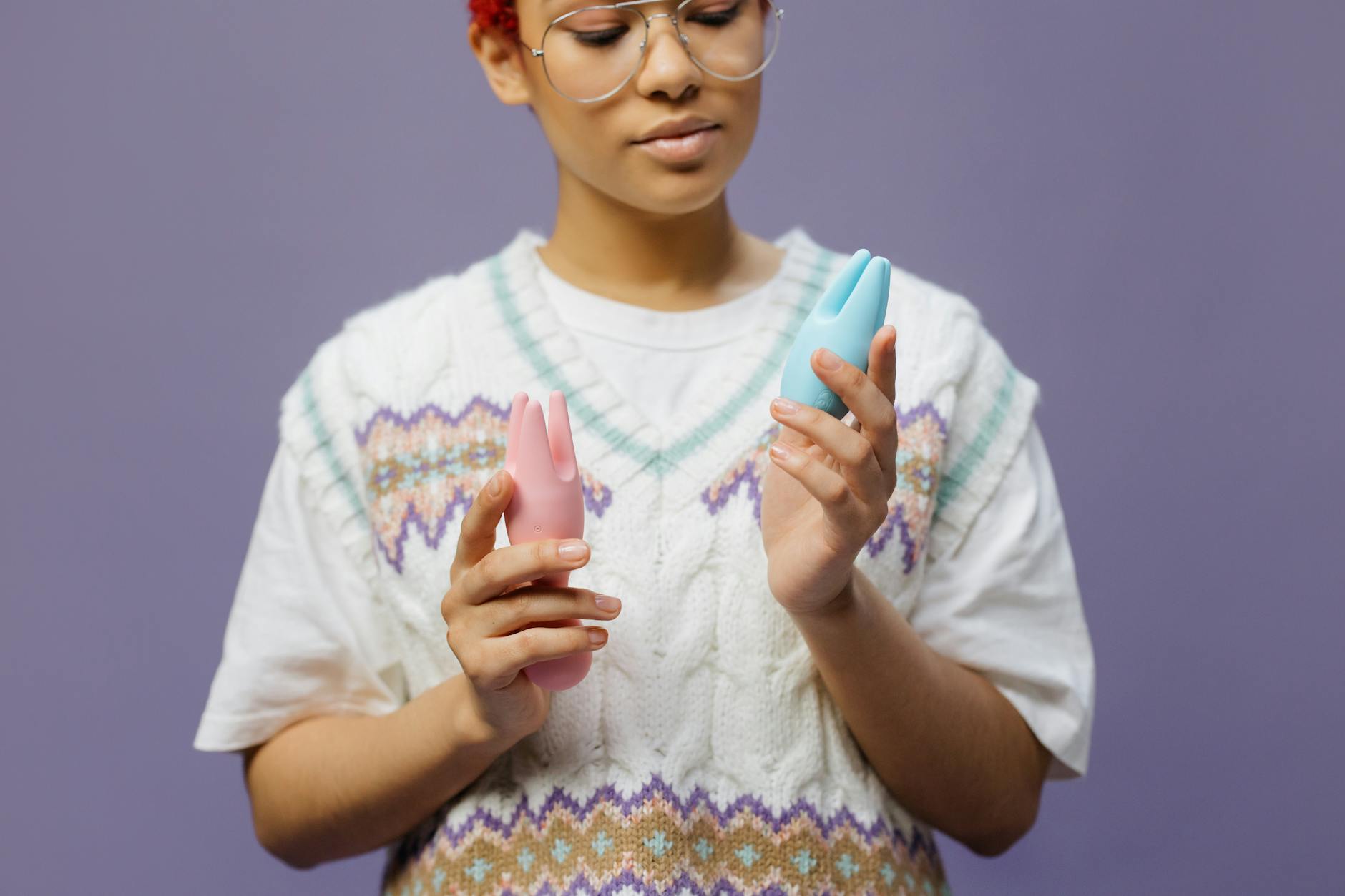
Lemon vibrators, specifically those using air-suction technology, work differently. The sensation is indirect. It stimulates without overwhelming. This matters for long-term couples because it doesn't require either partner to be at peak arousal to feel good. You can start at a lower intensity while you're still building connection, and the sensation remains pleasurable even during the slower buildup that comes with mature relationships.
The clitoral vibrator sits outside the vagina entirely, which changes the mechanics of partnered sex. Your partner can be inside you while the Lem is active, creating a layered stimulation that doesn't happen with standard vibrators. That's not novelty for novelty's sake. That's a genuine expansion of what's possible together.
How lemon clitoral vibrators rebuild anticipation
One of the biggest shifts I notice when couples start using the Lem is that foreplay has permission to exist again. Because the vibrator doesn't require a specific state of arousal to feel good, partners can slow down. Spend time. Actually talk while something is happening.
This sounds small. It's massive. After years of sex that feels rushed because one partner's arousal is fragile or schedules are tight, the Lem gives you a tool that feels good whether you've had 5 minutes or 50 minutes of buildup. That permission to not be in a race changes everything psychologically.
Anticipation is what makes pleasure feel like pleasure. Novelty matters, sure, but anticipation that builds across days or weeks is actually more neurologically rewarding than a surprise. A lemon vibrator that your partner knows you're going to use, that you've talked about trying together, that one of you has suggested because you want to feel closer. That's anticipation.
The trust factor couples miss
Introducing anything new sexually requires vulnerability. If you've been disconnected for months or years, even mentioning that you want to try something different can feel dangerous. What if your partner says no? What if they think it means they're not enough?
But here's what happens in my office when I suggest couples try this together. The partner with vulva gets to ask for something specific. The other partner gets to say yes to something concrete. It's not "I want more excitement" which is vague and feels like blame. It's "I want to try the Lem together." That's a clear request. That's something to say yes to.
Trust is rebuilt in small, repeated decisions. This is one of those decisions. It's low-stakes enough that it doesn't feel like a referendum on your whole sexual relationship, but it's meaningful enough that following through actually shifts the dynamic.
Intensity builds differently when you have the right tools
In newer relationships, intensity comes from novelty and adrenaline. In long-term relationships, intensity comes from depth. The difference is real. A lemon clitoral vibrator helps you access depth-based intensity because the sensation isn't about performance. Neither partner has to be "on." Neither of you is trying to prove anything.
You can be present. You can notice what actually feels good in this moment, not what felt good six months ago. You can ask for more or less intensity without it feeling like criticism. The Lem becomes the third party in the conversation. The thing you're both focused on, together.
When sensitivity matters more than sensation
Long-term couples often worry that after years of the same touch, nothing will feel new. But sensitivity actually increases when you're relaxed. When you're not anxious. When you're not performing. A lemon sucker style vibrator is gentler than a traditional vibrator, which means your nervous system can actually register the sensation instead of tensing against it.
This is why so many couples report that exploring together with the Lem feels slower and more connected than solo use. You're not chasing climax. You're chasing sensation. That shift in intention changes everything.
How to start this conversation with your partner
Don't ask, "Do you want to try a vibrator?" That's too abstract and carries too much baggage. Instead, name the thing you're actually wanting. "I miss feeling close to you." "I want sex to feel less rushed." "I've been thinking about us trying something new together."
Then, if your partner is curious, you can suggest specifically. Not as a fix for your relationship, but as an expansion. "I read about lemon vibrators. I want to try one with you." That's clear. That's specific. That's something to say yes to.
If your partner is hesitant, don't push. But also don't let it drop. Circle back in a few weeks. Sometimes people need time to warm up to an idea, and that's okay. What matters is that you keep showing your partner that you want to reconnect.
The science of rebuilding physical intimacy
When couples have been disconnected physically, reactivating that connection requires something that interrupts the habitual patterns. Your nervous system has learned that sex means hurried. Or distant. Or performative. A new tool literally signals to your brain that this is different.
The air-suction technology in lemon vibrators mimics some of the sensations of oral sex, which tends to feel more emotionally connected to most couples than penetrative sex alone. That's not coincidence. That's neurobiology. The clitoris has 8,000 nerve endings. It's wired for connection and responsiveness. Using the right vibrator taps into that directly.
What shifts after couples start using the Lem together
I've worked with couples who didn't have sex for 18 months. After introducing a shared sexual practice with a clitoral vibrator, they report more frequent sex within the first month. Not because they're suddenly horny. But because they've reconnected to the idea that sex is something they do together, not something one person performs for the other.
That shift in framing is everything. The vibrator is just the tool. The real work is the willingness to try something new together, to show up vulnerable, to say yes to your partner's desire to feel closer.
Keeping the momentum after the first time
Here's what I tell couples after they've used the Lem together for the first time and it's gone well. Don't wait months for round two. Build it into your rotation. Make it normal. That's how you go from novelty to sustainable intimacy.
The Lem is designed to be part of your regular sexual practice, not a special-occasion thing. Use it solo. Use it together. Use it during foreplay or during the main event. It's flexible enough to grow with what you need. And that flexibility is exactly what long-term couples need.
The deeper work: pleasure as connection
Let me be clear about something. A vibrator won't fix a broken relationship. If you and your partner don't want to be in this relationship, no amount of the right tools will change that. But if you do want to reconnect, if you do want to rebuild that physical intimacy, the Lem is one of the most effective tools I recommend.
Not because it's magic. Because it's designed well, it feels good, and it interrupts patterns in a way that allows couples to rebuild from a place of curiosity instead of pressure. That matters. That changes things.
If you're in a long-term relationship and you've been wondering whether things could feel good again sexually, the answer is yes. Different, probably. Slower, maybe. But actually more connected. That's what's possible on the other side of that initial reconnection.
Frequently Asked Questions
How do I know if my partner will be open to using a vibrator together?
The only way to know is to ask. But frame it around connection, not around fixing a problem. "I want us to explore together" lands differently than "We need to spice things up." If your partner says no the first time, that's information. Respect it. But also know that sometimes people need time. Circle back in a few weeks with the same openness. What matters is that you keep showing your partner that you want to feel close.
Can we use a lemon vibrator if we haven't had sex in a while?
Yes, actually. Sometimes starting with something that's not penis-in-vagina sex is easier when you're reconnecting. The Lem gives you a way to rebuild touch and pleasure without the performance pressure that full sex sometimes carries. You can go slow. You can stop whenever. You can build back up to other things once you've rebuilt trust and connection.
Is a lemon clitoral vibrator going to make regular sex feel boring by comparison?
Not if you use them together. When the Lem is part of partnered sex instead of a replacement for it, it actually enhances the overall experience. Many couples find that using it during sex deepens their sense of connection because you're both focused on pleasure instead of performance.
What if I want to try this but my partner doesn't know I want to reconnect sexually?
That's actually a bigger conversation than whether you use a vibrator. If you're wanting more physical intimacy and your partner doesn't know that, you need to say it out loud first. Not during sex. Not as a complaint. Just a clear statement. "I miss feeling close to you physically." That's the foundation. The vibrator is just one tool to build from there.
How often should we use the Lem if we're rebuilding intimacy?
There's no rule. Some couples use it every time they have sex. Some use it a few times a month. What matters is that it feels good to both of you, and that you're not using it out of obligation. If it feels like a chore, you're doing it too much. If it feels like something you're both excited about, you've probably found the right frequency.
Can a lemon vibrator work for couples with very different arousal speeds?
Completely. This is actually one of the biggest advantages. If one partner gets aroused faster than the other, the Lem gives you something to do during the slower buildup that still feels good for both of you. You're not waiting around. You're not performing. You're just building pleasure together at whatever pace works.
Reconnecting sexually in a long-term relationship isn't about recreating what worked five years ago. It's about building something new that honors who you both are now. A lemon vibrator is one of the clearest ways to signal that you're ready to try. If you want more guidance on rebuilding intimacy, I'm here to help. Reach out anytime.